In the bustling city of Osaka, where vibrant crowds and neon lights define much of the urban experience, a quiet revolution is taking shape. At Osaka Metro’s Yumeshima Station, which opened in January 2025 ahead of the Osaka-Kansai World Expo, Japan has introduced its first in-station “calm down, cool down” spaces. These innovative booths are designed to offer solace to travelers with sensory sensitivities, providing a sanctuary from the overwhelming sights and sounds of a busy railway station. For foreign visitors exploring Japan, these spaces signal a growing awareness of diverse needs, making travel in Japan more accessible. Yet, as with any pioneering effort, challenges remain in perfecting this thoughtful initiative.
A New Kind of Refuge in Japan’s Stations
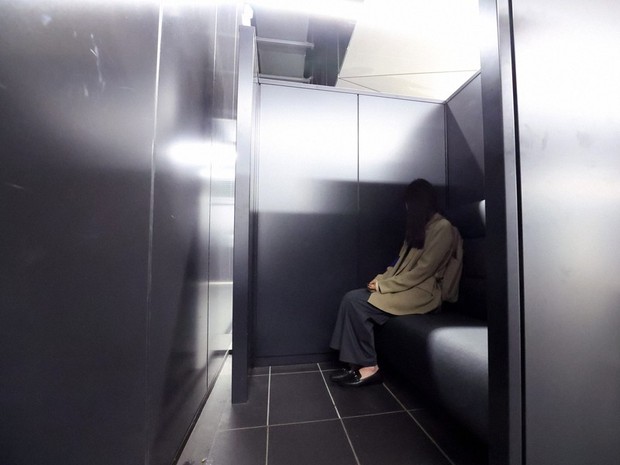
Yumeshima Station’s “calm down, cool down” spaces are a first for Japan’s railway network, according to Osaka Metro Co., the subway system operator. Located on either side of the station’s ticket gates, the two areas each feature a pair of box-shaped booths, measuring about 1.8 meters high and 1.5 meters square. Inside, a simple grey sofa offers a place to sit and relax. The booths are painted black to blend into the station’s walls, tucked away in quieter corners to minimize attention. For travelers with sensory sensitivities—such as those with autism, anxiety, or other psychological conditions—these spaces aim to provide a moment of calm amid the sensory overload of flashing lights, crowded platforms, and constant announcements.
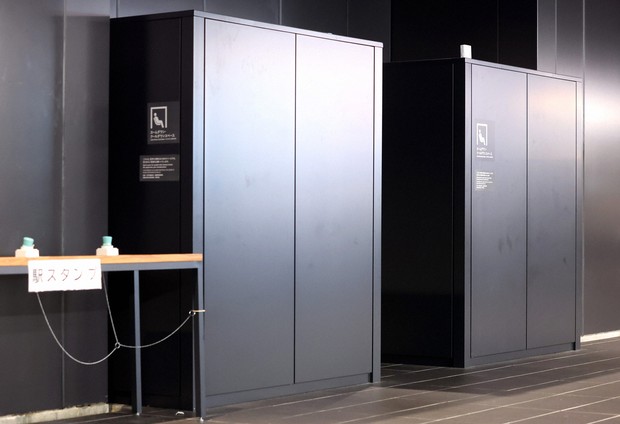
The concept is particularly significant in Japan, where public transportation is a lifeline for both residents and tourists. Stations like those in Osaka are often packed with commuters, tourists, and the hum of activity, which can be overwhelming for some. The introduction of these booths reflects a broader cultural shift toward inclusivity, aligning with Japan’s reputation for meticulous attention to public infrastructure. For foreign visitors, this initiative offers a glimpse into Japan’s evolving approach to accommodating diverse needs, making it easier to navigate the country’s dynamic urban landscapes.
Challenges in Creating a Perfect Haven
Despite their promise, the “calm down” spaces at Yumeshima Station are not without flaws. Jiei Kato, a 19-year-old entrepreneur and president of Tokyo-based Crystalroad Inc., has been a key voice in evaluating these facilities. Kato, who has sensory sensitivities himself, visited the station in March 2025 and noted both strengths and shortcomings. He appreciated the discreet placement and dark exterior of the booths, which help them blend into the surroundings. However, the lack of a roof allows light to pour in from above, and the reflective wall materials make the space feel overly bright—potentially unsettling for those seeking a dimmer, calmer environment.
Another concern is privacy. The booths’ entrances are close together, making it hard to avoid noticing others nearby, which can be distressing for users who prefer not to be seen entering or exiting. Kato also pointed out the absence of clear indicators to show when a booth is occupied, raising the risk of someone inadvertently intruding. Osaka Metro has since added a motion-activated light to signal when the spaces are in use, but the system has limitations—if a user remains still, the light may turn off, causing confusion.v
A Broader Vision for Sensory-Friendly Japan
The “calm down” spaces are not exclusive to Yumeshima Station. Similar facilities have been installed at the Osaka-Kansai Expo 2025 venue, including one designed with Kato’s input as an adviser. This version features a fully enclosed room with noise-blocking capabilities and adjustable lighting, offering a more tailored experience for sensory-sensitive individuals. Kato’s work through his research organization, Kabin Lab, underscores the demand for such spaces. An online survey by Kabin Lab found that over 80% of sensory-sensitive respondents had avoided outings due to the lack of rest areas, highlighting the barriers many face in enjoying public spaces.
For international travelers, these developments offer a window into Japan’s commitment to improving accessibility. Compared to other countries, where sensory-friendly spaces are often limited to specific venues like museums or airports, Japan’s integration of such facilities into everyday infrastructure like train stations is noteworthy. In the United States, for example, sensory rooms are becoming more common in airports, but their presence in public transit hubs remains rare. Japan’s initiative could set a precedent for other nations, especially as global tourism increasingly emphasizes inclusivity.
Looking Ahead: A More Welcoming Japan
Despite the hurdles, the introduction of “calm down” spaces is a promising step. Kato remains optimistic, emphasizing that the mere existence of these booths provides a sense of security for sensory-sensitive individuals, even if they don’t always use them. The knowledge that a quiet space is available can make the difference between staying home and venturing out to explore Japan’s temples, markets, or cutting-edge cities. For foreign visitors, this initiative enhances the appeal of traveling in Japan, where thoughtful infrastructure and cultural sensitivity create a welcoming environment.
Osaka Metro is open to refining the system based on user feedback, a process that mirrors Japan’s broader approach to continuous improvement, or kaizen. Future iterations of these spaces could incorporate better lighting controls, clearer occupancy indicators, and more secluded designs while addressing security concerns. As Japan prepares to welcome millions of visitors for events like the Expo and beyond, these efforts signal a commitment to making the country accessible to all.
What are your thoughts on sensory-friendly spaces in public places? Have you encountered similar initiatives in other countries, or do you think Japan’s approach could inspire change elsewhere? Share your experiences and ideas to keep the conversation going.
Photo Sources: Mainichi Japan
Leave a Reply