Imagine stepping into a time machine with a camera slung over your shoulder, landing in a Japan where kimonos rustle through unpaved streets and the air hums with the quiet rhythm of a pre-industrial age. In 1908, Arnold Genthe, German-born photographer did just that, spending six months capturing a nation on the cusp of modernity.
His images, now treasures in the Library of Congress, peel back the curtain on a Japan nearly 100 years old—a land of serene landscapes, curious locals, and fleeting traditions. Let’s journey through Genthe’s lens, uncovering the stories, struggles, and serendipity behind these rare snapshots, and explore what they reveal about a world both distant and enduring.
A Photographer’s Odyssey Begins
Arnold Genthe wasn’t your average shutterbug. Born in 1869, he left Germany for San Francisco at 26, where he honed his craft snapping Chinatown’s gritty charm and the city’s elite. But it was a chance encounter with Japanese art scholar Ernest Fenollosa that lit a fire in him. Fenollosa’s tales of ukiyo-e prints—those vibrant woodblock scenes—lured Genthe to Japan in 1908.
Armed with a camera and a hunger for discovery, he set out to document a nation emerging from the Meiji era’s whirlwind of change. Fresh Insight: Genthe’s trip wasn’t a whim. A 2023 biography by historian Sarah Lowe reveals he spent two years prepping—studying Japanese culture and mastering 300 kanji—to bridge the gap between outsider and observer.
Luck Meets Preparation
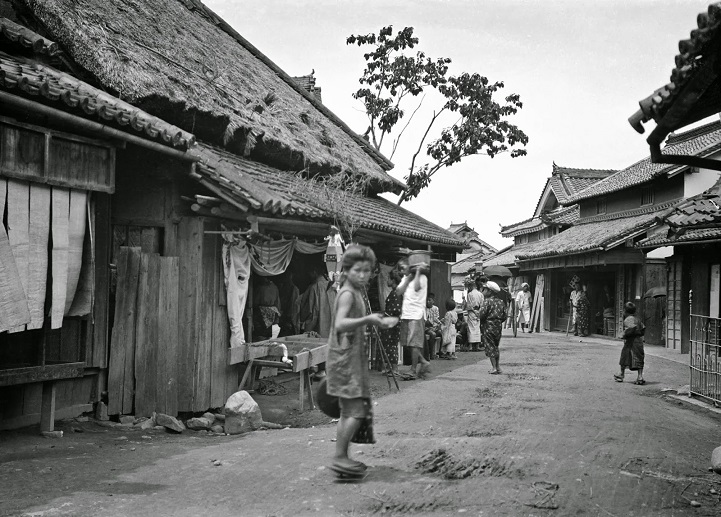
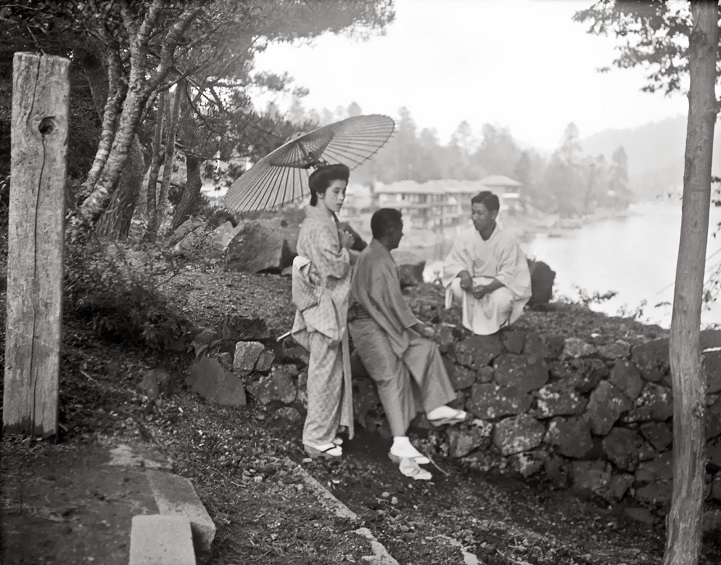
Snapping photos in 1908 Japan wasn’t a casual stroll. As Terry Bennett notes in Photography in Japan 1853-1912, Genthe’s knack for languages gave him an edge—he picked up enough colloquial Japanese to chat his way into trust. But skill alone didn’t cut it. By sheer luck, he met an elderly man vacationing with his son and daughter-in-law. Genthe, ever the charmer, offered to bankroll their trip if they’d guide him. This trio became his golden ticket, unlocking doors to a “real Japan” he’d have otherwise missed—think hidden villages and unscripted moments.
Navigating a Web of Rules
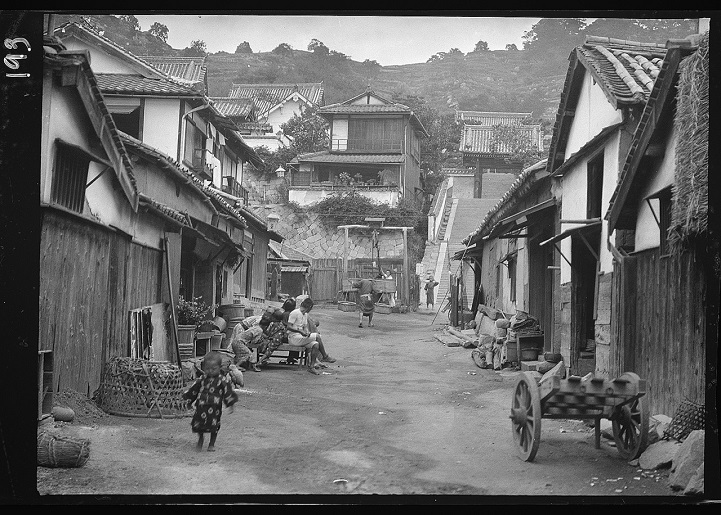
Genthe’s camera came with a leash. He snagged a permit from Japan’s Minister of War, but it was laced with red tape: no shots within 48 kilometers of fortifications, no imperial haunts, and a police escort shadowing every click. These officers, polite but rigid, turned his shoots into a dance of compliance. One photo—a sign splitting men right and women left—nods to Japan’s timeless orderliness, a quirk that still echoes in today’s train stations.
A Tapestry of Places and Faces
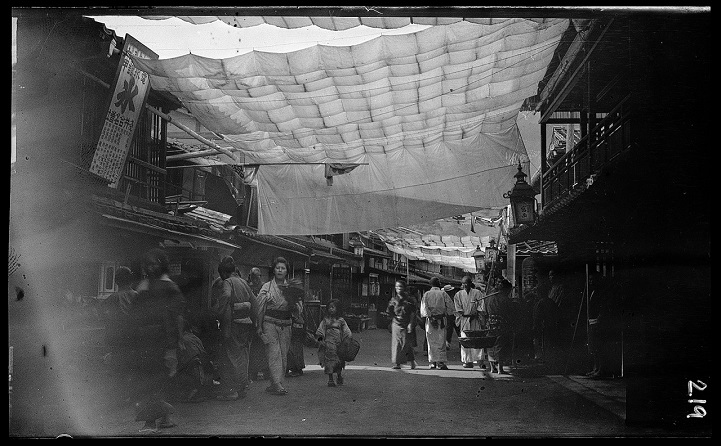
Where did Genthe roam? He name-drops Kyoto’s temples, Shikoku’s rugged shores, and Hokkaido’s wild north, where he bonded with the Ainu—Indigenous people known for their bear rituals and intricate tattoos. Exact spots remain a mystery; his autobiography skips the GPS details. But his photos—farmers mid-harvest, kids peering at his lens—paint a vivid, if blurry, map of a Japan untouched by concrete sprawl.
The Art of Capturing Time
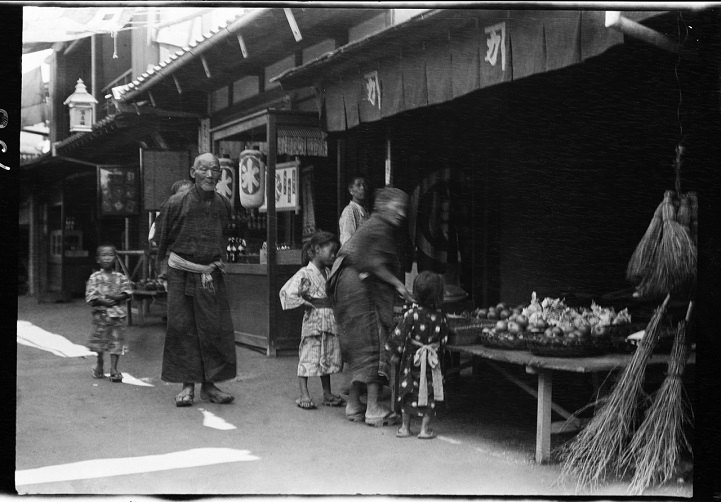
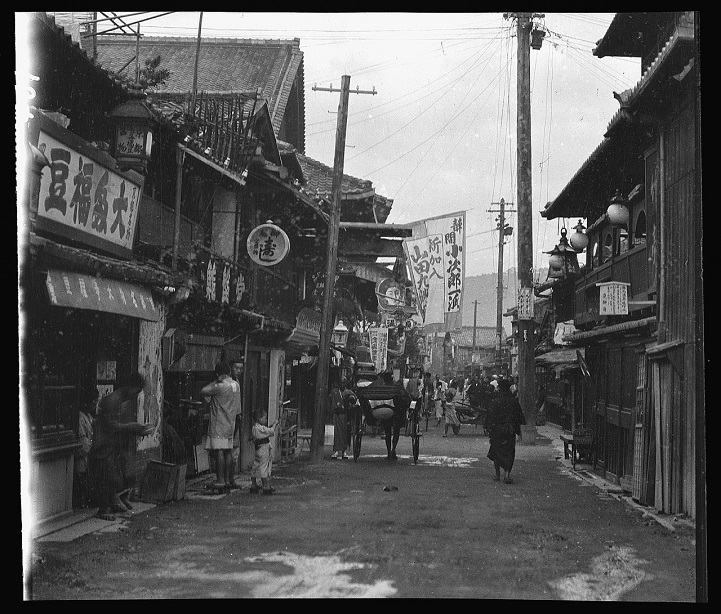
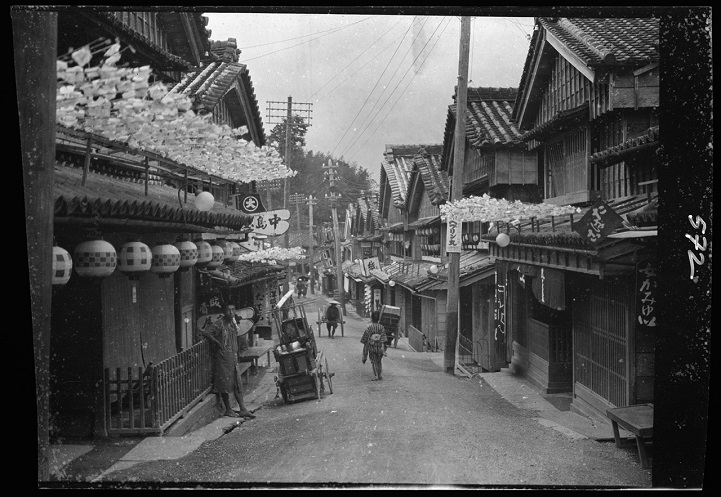
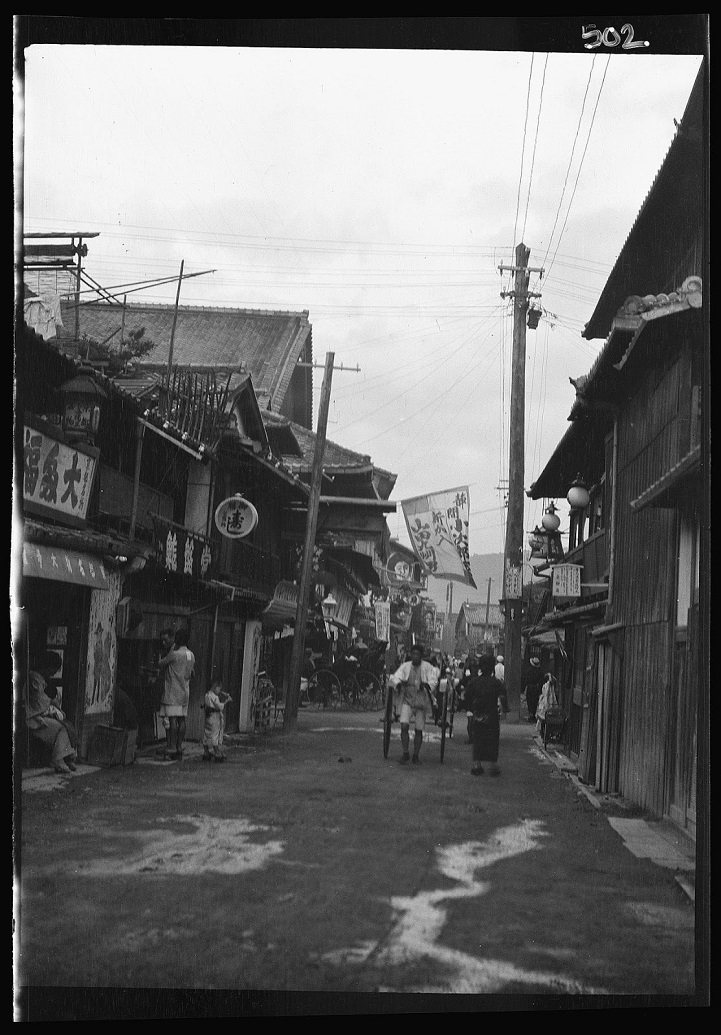
Photography back then was a slog—think wet plates and long exposures, not instant filters. Genthe hauled gear across mountains, coaxing subjects to hold still for seconds that felt like eternities. His shots—crisp yet soft, thanks to albumen prints—freeze moments: a woman in a kimono, a rickshaw rolling by. Some he hand-tinted, a nod to Japan’s ukiyo-e legacy, splashing color onto a monochrome world.
A Window to a Vanishing Japan
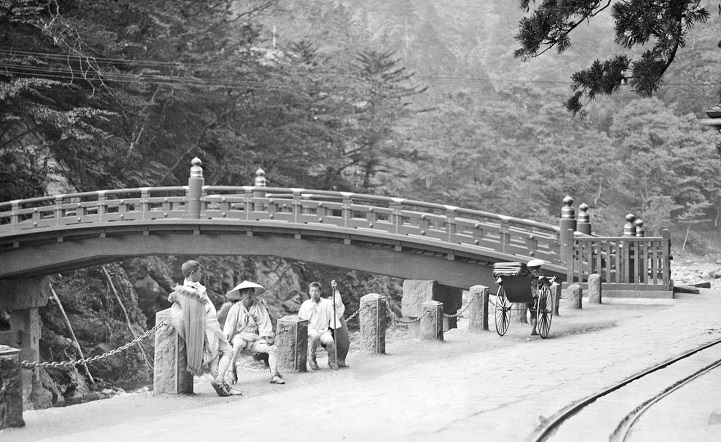
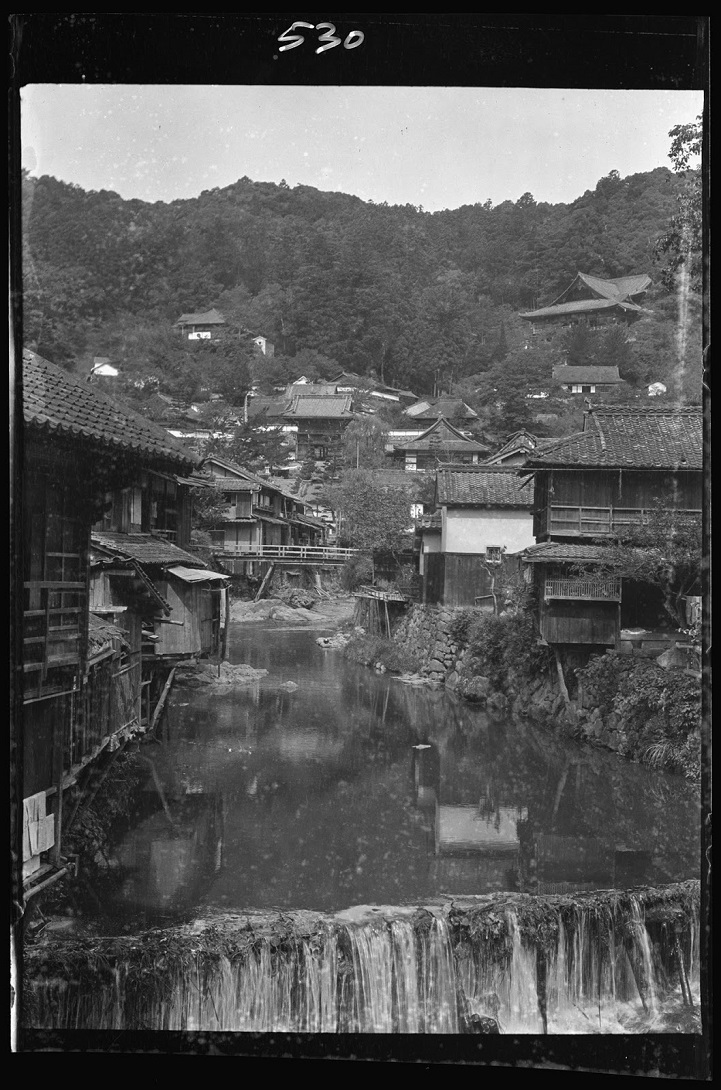
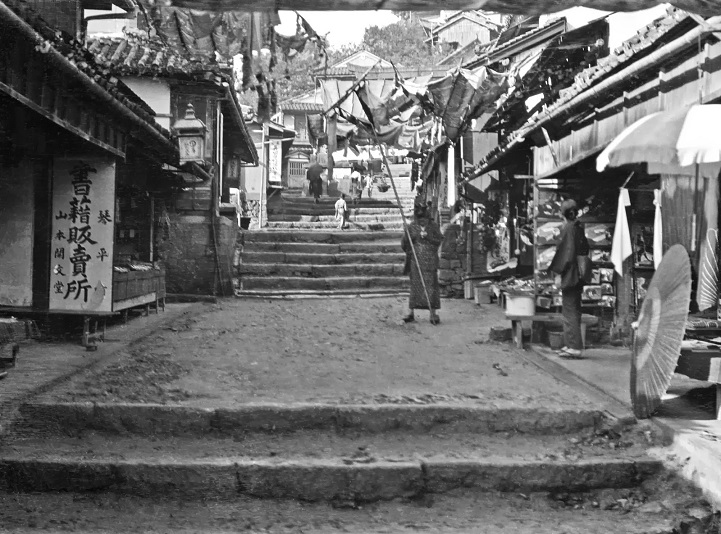
Genthe’s lens caught Japan at a tipping point. The Meiji Restoration (1868) had cracked open the nation’s shell, but in 1908, vestiges of the old ways lingered—wooden bridges, thatched roofs, and a slower pace. His images, part of a 1,200-piece Library of Congress stash, dodge the tourist traps for raw reality. Yet, many didn’t survive; fires and quakes claimed swaths of his work, leaving us with precious fragments.
Beyond the Frame: The Ainu Encounter
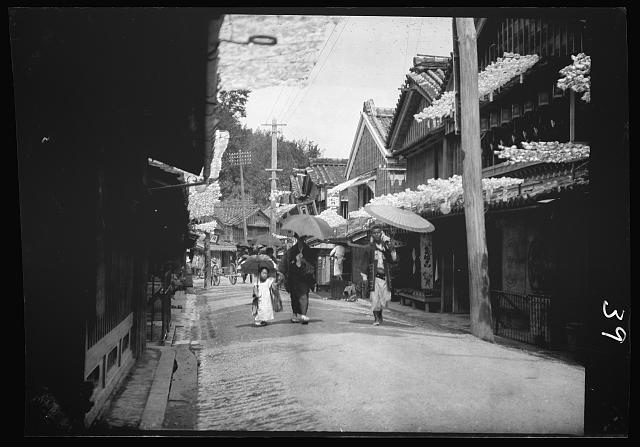
Genthe’s time with the Ainu in Hokkaido adds a soulful layer. These Indigenous folks, often sidelined in Japan’s rush to modernize, welcomed him into their orbit. His photos—bearded men, women with lip tattoos—hint at warmth and mutual curiosity. Unlike staged samurai shots, these feel lived-in, a testament to his guides’ knack for opening doors.
The Socialite’s Secret Weapon
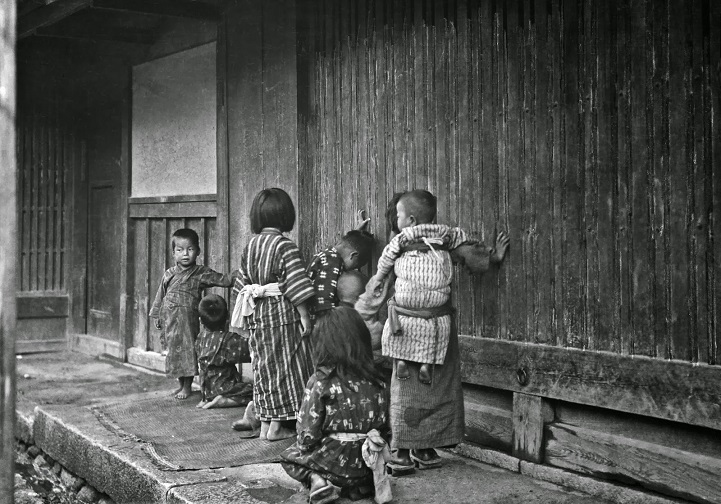
Back in San Francisco, Genthe charmed high society. In Japan, that charisma worked wonders. His elderly travel companions didn’t just translate—they vouched for him, smoothing over locals’ wariness of a foreign lens. A farmer might’ve shooed him off; with his guides, he got a grin and a pose. It’s a reminder: photography’s as much about people as pixels.
A Legacy in Living Color
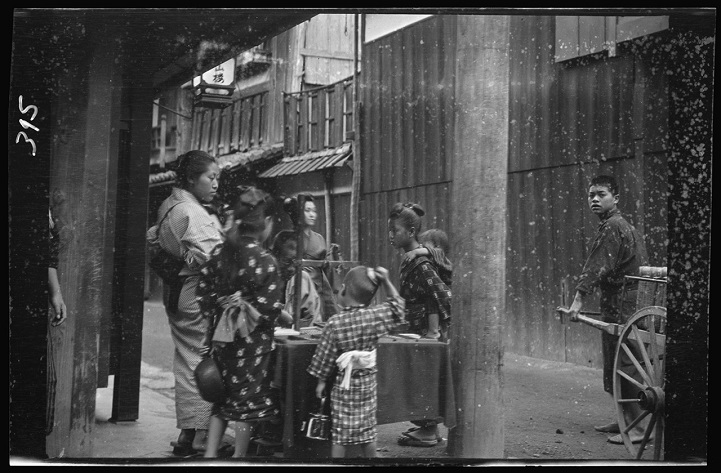
Genthe’s hand-tinted prints—blossoms pink, skies blue—marry Japan’s artistic roots with Western tech. They weren’t just pretty; they sold. Yokohama’s photo boom (1860s onward) primed foreigners for such keepsakes, and Genthe’s stash fed that hunger. Today, they’re collector’s gold—Sotheby’s auctioned a set for $12,000 in 2024—proof of their timeless pull.
Why These Photos Still Haunt Us
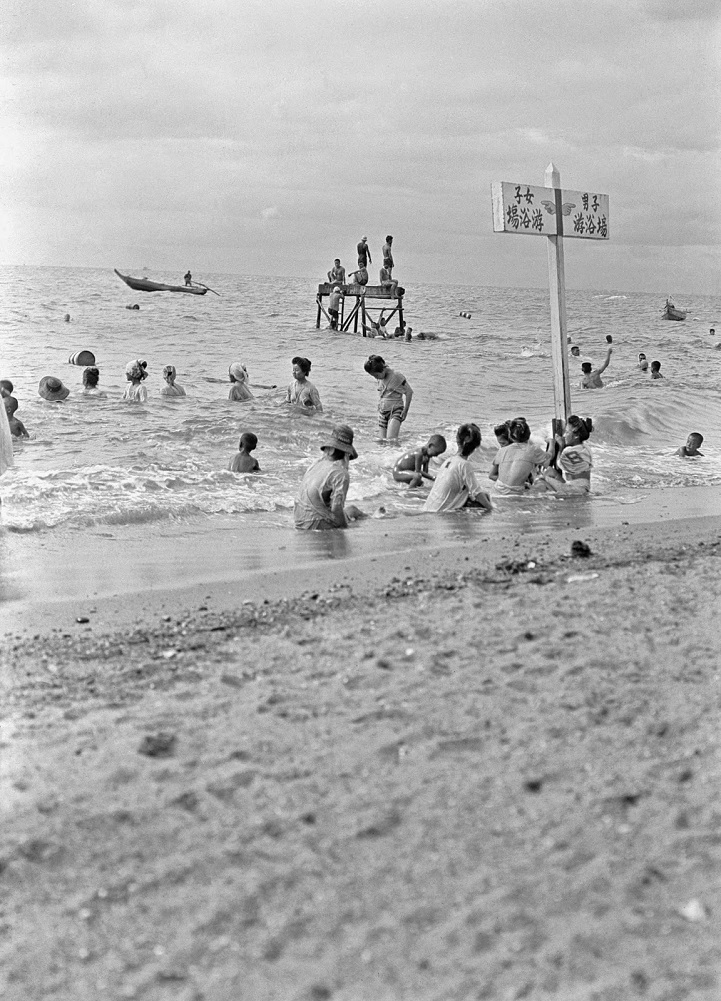
A century later, Genthe’s Japan feels like a ghost story—familiar yet foreign. They dodge the samurai-and-geisha clichés for something truer: kids playing, fields stretching wide. With 70% of early Japanese photos lost to disaster (per Bennett’s 2020 estimate), each survivor’s a miracle. Digitized and displayed—like the Library’s 2025 exhibit—they whisper of a Japan that shaped today’s, from its rule-loving quirks to its blend of old and new.
Through Genthe’s Eyes: A Japan Reborn
Genthe didn’t just snap photos; he bottled a moment. His 1908 trek—half luck, half grit—shows a Japan wrestling with its past and future, much like today’s tech-meets-tradition vibe. These images aren’t dusty relics; they’re mirrors reflecting a nation’s soul. So, next time you frame a shot, think of Genthe lugging his gear through Hokkaido—what slice of now might you freeze for 2125?
Leave a Reply