This article will focus on the history of Jigoro Kano, the man that preferred to be called a learner rather than a master. Study reports that Jigoro Kano was born on October 28, 1860, in Mikage which is a district of Kobe, Japan.
He hailed from a well-known family, with his father, Jirosaku Kano, serving as a prominent official for the Shogunate. Kano was renowned as an intelligent and motivated learner from a young age. However, he was physically weak and frequently bullied by his peers. This early setback piqued his interest in martial arts as a form of self-defense and personal growth.
Jigoro Kano excelled in academics and, in 1877, enrolled at the Tokyo Imperial University, where he studied literature, politics, and philosophy. During this time, he got increasingly interested in jujutsu, a classic Japanese martial art that emphasizes grappling and self-defense. He sought out masters of various jujutsu disciplines and worked hard to learn their methods.
Despite facing resistance from some traditionalists who viewed modernization with skepticism, Kano was determined to evolve martial arts into a disciplined and structured system.
The Development of Judo
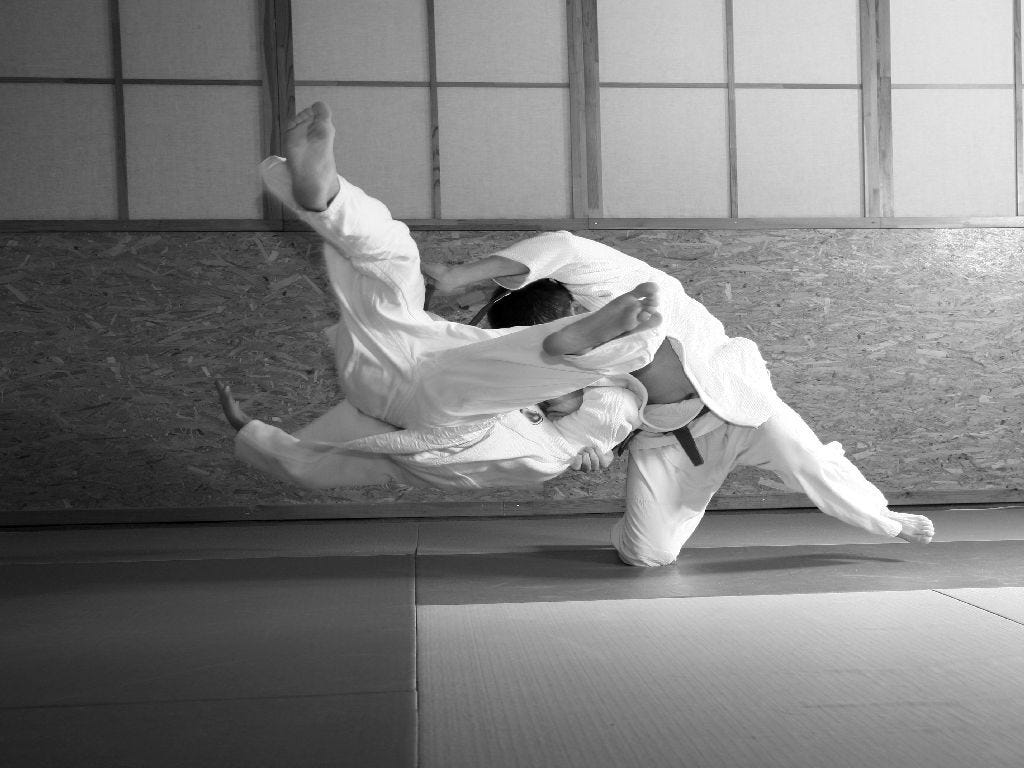
Kano trained under several prominent jujutsu masters, including Fukuda Hachinosuke, Iso Masatomo, and Iikubo Tsunetoshi. However, he was not satisfied with the traditional approach to jujutsu, which often included dangerous techniques that could lead to serious injuries. He believed that martial arts should be not only an effective means of self-defense but also a tool for physical and mental development.In 1882, at the age of 22, Kano established his own martial art, which he called “judo,” meaning “the gentle way.” It was known for his remarkable skill even though his smaller in stature.
He founded the Kodokan Judo Institute in a small space at the Eishoji Temple in Tokyo, with just a handful of students. Kano’s judo was based on the principle of “maximum efficiency with minimum effort” (seiryoku zenyo) and “mutual welfare and benefit” (jita kyoei). These principles emphasized using an opponent’s strength against them and fostering respect and cooperation among practitioners.
Kano refined and removed the more dangerous elements of jujutsu, making judo a safer and more effective sport. He introduced structured training methods, competitive randori (sparring), and kata (pre-arranged forms) to teach students proper techniques. Over time, judo gained popularity and was recognized as a modern martial art suitable for physical education and self-discipline, as it was shown that he could throw larger men with ease. His emphasis on moral and ethical development helped differentiate judo from other martial arts, reinforcing its value as a system for personal growth.
Don’t Miss: Japan’s Golden Chamber helps scientists unlock secrets of the universe
Growth and International Recognition
Under Jigoro Kano’s leadership, the Kodokan Judo Institute grew rapidly, attracting students from all over Japan and beyond. He worked tirelessly to promote judo, not just as a martial art but also as a means of character development. His efforts led to judo being incorporated into Japan’s school system as a standard part of physical education. Jigoro Kano’s influence extended beyond Japan. In the early 20th century, he traveled extensively, introducing judo to various countries, including Europe and the United States.
His efforts helped judo gain international reputation as a sport and a way of self-improvement. His talks and demonstrations abroad sparked widespread interest, resulting in the formation of judo schools and clubs outside Japan. One of Jigoro Kano’s significant achievements was his role in Japan’s involvement with the Olympic movement. In 1909, he became the first Asian member of the International Olympic Committee (IOC).
He played a crucial role in advocating for Japan’s participation in international sports and was instrumental in securing Tokyo as the host city for the 1940 Olympic Games (which were later canceled due to World War II). He believed in the power of sports to foster international understanding and peace.
Legacy and Impact
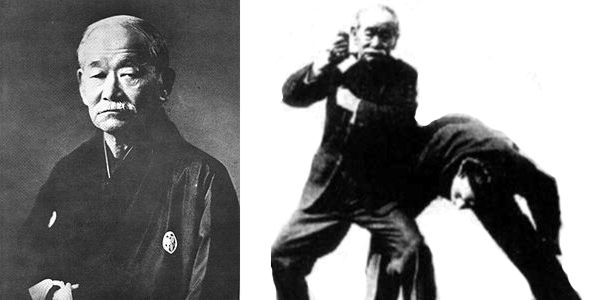
Jigoro Kano’s contributions to martial arts and sports education are immeasurable. Judo has become one of the most popular martial arts in the world, with millions of practitioners in more than 200 countries. It became an official Olympic sport in 1964 at the Tokyo Olympics, further solidifying its global status. Judo’s inclusion in the Olympic Games fulfilled Kano’s vision of promoting the sport on an international stage. Beyond judo, Jigoro Kano’s educational philosophy influenced many aspects of physical education and sports management in Japan.
He served as the headmaster of Tokyo Higher Normal School and was a strong advocate for integrating sports and physical education into academic curricula. His belief in lifelong learning and moral character development remains a fundamental aspect of judo training today. His teachings emphasized discipline, perseverance, and humility—qualities that remain integral to judo’s practice worldwide.
Jigoro Kano passed away on May 4, 1938, while on a voyage to Cairo for an IOC meeting. But made it know while on deathbed to be buried in white belt instead of of a black belt. His contributions to judo, sports education, and international sports diplomacy continue to inspire generations of martial artists and athletes worldwide. His dedication to education and moral discipline has cemented his reputation as one of the most influential figures in martial arts history.
Jigoro Kano’s vision of judo as a means of physical, mental, and ethical development transformed traditional Japanese martial arts into a global phenomenon. His teachings emphasize discipline, respect, and efficiency, making judo not just a sport but a way of life. Today, his legacy endures through the millions who practice judo, embracing its principles of self-improvement, cooperation, and perseverance.
Jigoro Kano’s contributions remain a testament to the power of martial arts in shaping individuals and societies alike. The philosophy he instilled in judo practitioners—of mutual benefit, self-discipline, and adaptability—continues to shape the sport and its values in modern times. His commitment to the betterment of society through judo ensures that his legacy will endure for generations to come.
Read More: Maneki-Neko: Interesting History Of The Japanese Lucky Cat
Leave a Reply