Walk into any convenience store or souvenir shop across Japan, and you’ll find something both familiar and surprising: KitKats in every color, flavor, and form imaginable. Unlike their chocolate-only cousins found in most countries, Japanese KitKats are a world of their own. That’s because, in Japan, there’s a KitKat flavor for every prefecture—from wasabi in Shizuoka to sake in Niigata and sweet potato in Kagoshima. What started as a simple chocolate-covered wafer has become a cultural icon, a collector’s item, and a symbol of local pride.
More than just marketing, Japan’s KitKat obsession is a reflection of the nation’s innovative flavor, strong respect for regional identity, and astute branding strategies that appeal to both residents and visitors. In actuality, the adage “there’s a KitKat flavor for every prefecture” reflects how food and culture are inextricably linked in Japan and goes beyond simple marketing.
A Sweet Start: How KitKat Became a Japanese Sensation
Nestlé first brought KitKat flavor to Japan in 1973, but the brand did not really take off until the early 2000s. Nestlé Japan took a risk at that point by localizing the product to suit local preferences.
The moment everything changed was when people in Japan took note that “KitKat” closely resembled the phrase kitto katsu, which translates to “surely win” or “definitely succeed.” This lucky coincidence gave the chocolate bar a new meaning, especially among students facing exams. It’s evolved into a small token of encouragement, with parents tucking them into school bags as a quiet gesture of help. However, KitKat evolved from a sweet treat into something more personal and meaningful.
Then came the regional flavors. Nestlé realized that in Japan’s diverse landscape—made up of 47 prefectures, each with its own identity—people took great pride in local ingredients and products. What better way to reflect that than through candy Hence, the idea was born: create a KitKat flavor for every prefecture, celebrating the local specialties of each region.

Regional Pride in Every Bite
Check from the snowy mountains of Hokkaido to the tropical islands of Okinawa. There’s a KitKat flavor for every prefecture, and each one tells a story.
- Shizuoka & Wasabi: One of the most famous flavors, wasabi KitKats uses real wasabi from the region, known for its clean, pungent heat. Despite sounding strange, the combination of white chocolate and wasabi has gained a loyal following.
- Niigata & Sake: Niigata is famous for its pristine rice and high-quality sake, inspired by a KitKat infused with sake powder. The aroma and subtle taste of sake make it a nice culinary experience.
- Kagoshima & Sweet Potato: Kagoshima’s beloved purple sweet potatoes are transformed into a creamy, rich filling inside a crispy wafer, creating a sweet, earthy treat that reflects the local palate each time.
Other examples include matcha from Kyoto, yuzu citrus from Shikoku, apples from Aomori, and red beans from Hokkaido. These flavors are more than just novelties—they connect travelers to the places they visit and locals to their roots. By offering a KitKat that represents a region’s flavor, Nestlé is doing more than selling candy; it’s telling a story of place, tradition, and identity.
How KitKats Became Must-Have Regional Collectibles
The part that makes these regional kitkat flavor really so appealing is the humor of discovery. Tourists often buy them as souvenirs, while locals collect limited editions with pride. Some people even travel to specific regions just to try a new flavor—turning candy into a culinary adventure.
It’s no exaggeration to say that there’s a KitKat flavor for every prefecture because of this strong tourism connection. The flavors are typically sold only in their respective regions or at select airports and train stations. That limited availability drives both demand and excitement.
Nestlé has embraced this fully, releasing seasonal editions and even collaborating with famous chefs. During cherry blossom season, for instance, sakura-flavored KitKats make a brief but memorable appearance. In winter, you might find flavors like roasted chestnut or rum raisin. This blend of scarcity and locality turns a simple snack into an experience. Just like people collect stamps or postcards, collecting KitKats has become a way to travel through taste.
Innovation Meets Tradition
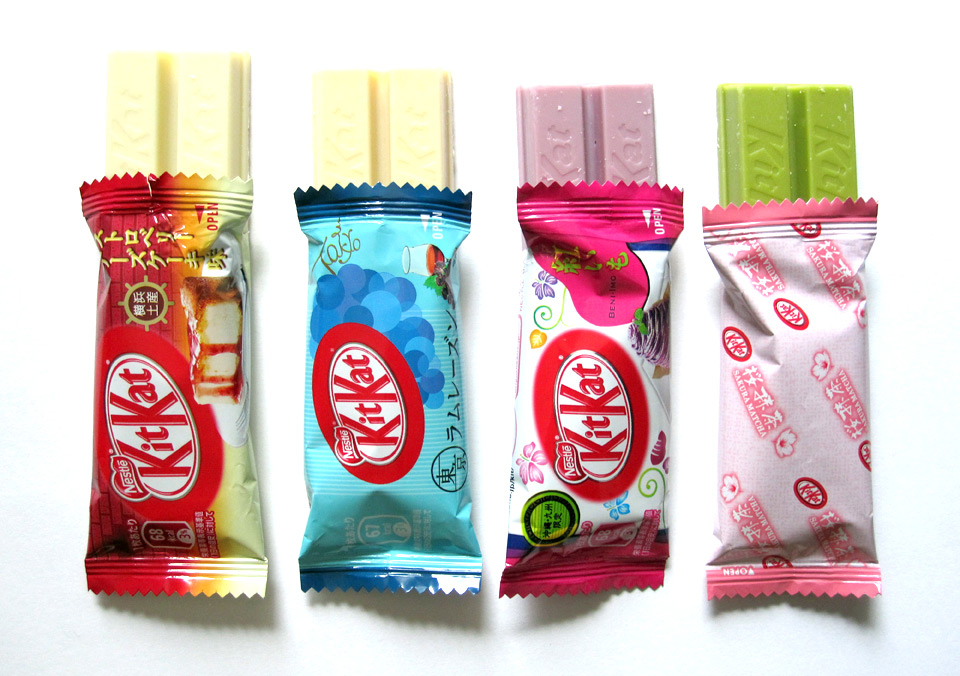
Another reason there’s a KitKat flavor for every prefecture is Japan’s passion for flavor innovation. Japanese consumers are known for being open to new food experiences, and KitKat has tapped into that mindset perfectly. Rather than sticking to basic tastes, they’ve ventured into territory that surprises and delights—soy sauce, wasabi, red bean, melon, and even miso. But these flavors aren’t random. Each one is carefully researched, using local ingredients when possible, and designed to reflect the essence of the region it represents.
For example, the Shinshu apple KitKat uses apples from Nagano, while the yatsuhashi flavor from Kyoto mimics the local cinnamon-flavored mochi treats. By aligning innovation with authenticity, KitKat has earned the trust of its consumers—and the admiration of international markets. Other countries have started experimenting with flavored versions, but none come close to the breadth and cultural depth of Japan’s offerings.
A Delicious Cultural Phenomenon
In the end, the reason there’s a KitKat flavor for every prefecture is simple: Japan knows how to turn the ordinary into something extraordinary. KitKat is more than a candy bar here—it’s a bridge between regions, a gift of good luck, a showcase of culinary creativity, and a sweet representation of cultural pride.
Whether you’re sipping on sake in Niigata, walking through wasabi fields in Shizuoka, or enjoying roasted sweet potatoes in Kagoshima, there’s a KitKat that brings that moment to life. For both locals and visitors, the variety tells a flavorful story of a nation that values tradition as much as it embraces innovation. So next time you find yourself in Japan, remember: there’s a KitKat flavor for every prefecture, and each one is worth discovering.
Leave a Reply