As Japan gears up to welcome the world for Expo 2025 in Osaka, one structure is capturing global attention for its scale and vision—the world’s largest wooden structure ever built. In contrast to the usual steel-and-glass landmarks often seen at international expos, this ambitious creation stands out for its focus on sustainability, cultural heritage, and modern design techniques.
Encircling the Expo site on Yumeshima Island, the massive wooden ring isn’t just remarkable for its size—it represents a forward-looking approach to eco-conscious architecture. Made using timber gathered from forests across Japan, the world’s largest wooden structure showcases the nation’s deep-rooted preference for nature and time-honored building techniques. It brings together the zeal of tradition with the precision of modern engineering in a truly unique way.
A Timeless Ring of Purpose and Eco-Design
This enormous wooden ring is more than just an architectural wonder—it carries deep meaning. Stretching nearly 2 kilometers around the Expo 2025 Osaka site, its circular form represents themes of connection, balance, and togetherness. Beyond its symbolic shape, the structure will support essential features of the Expo, including walking paths, exhibition halls, elevated gardens, and scenic viewpoints.
Visitors will be able to walk within and along this grand ring, enjoying panoramic views of pavilions and immersive experiences that showcase the expo’s central theme: “Designing Future Society for Our Lives.”
The perpendicular scale of the structure is invented to both inspire and educate. It’s not just about grandeur—it’s about setting a new benchmark for how large-scale architecture can respond to the global climate crisis. The world’s largest wooden structure embodies Japan’s devotion to innovation and sustainability.
Building with Purpose: Why Wood?
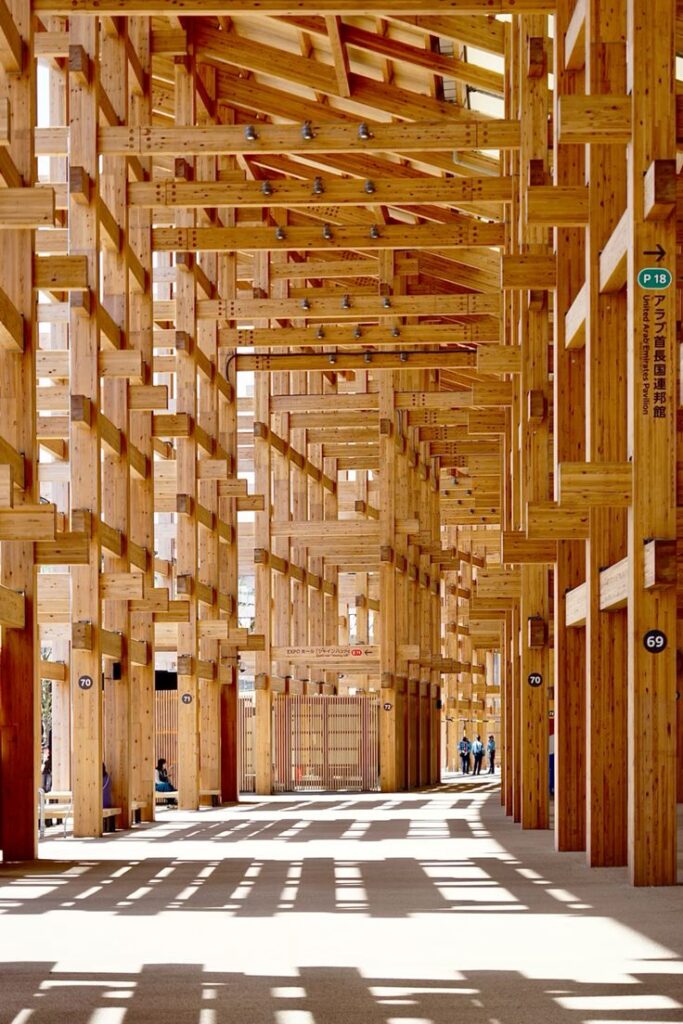
What made this project stand out was the deliberate use of timber. As the world brawls with environmental degradation, Japan has opted to take a diverse path by showcasing how traditional materials can be reimagined for the future.
Wood, a renewable and carbon-sequestering material, plays a critical part in lowering the carbon footprint of buildings. The world’s largest wooden structure at Expo 2025 Osaka uses domestically sourced timber from across Japan’s forests, including cedar and cypress—both revered for their strength, aroma, and aesthetic beauty.
Unlike concrete and steel, timber requires less energy to produce and absorbs carbon during its life cycle, making it a crucial material in sustainable construction. With this Expo centerpiece, Japan sends a clear message: that eco-conscious design doesn’t require sacrificing scale or impact.
Crafted by Visionary Architects
Visionary Architects of renowned Japanese studio Sou Fujimoto, known for its great innovative and nature-inspired designs, stand as the architectural firm responsible for this historic project. However, with the connection of the teams made them visualize a structure that feels both futuristic and firmly docked in Japanese identity by fusing simplicity and intricacy.
Beyond just architecture, they have a concept for the biggest world’s largest wooden structure in the world. It intent is to act as a canvas, showcasing everything from technological advancements to cultural narratives. Its vast structure includes rest areas, art installations, living gardens, and areas for collaboration that blend in perfectly with the surroundings.
A Showcase of Global Collaboration
One of the aims and purposes of the Expo 2025 Osaka is to bring more than 150 plus countries together and international organizations, making it the best global event of the decade. The wooden ring structure will provide the framework for this multicultural convergence. It’s more than just a building—it’s the stage upon which humanity will imagine and shape the future. As the world’s largest wooden structure, it embodies the Expo’s sub-theme of “Saving Lives, Empowering Lives, and Connecting Lives.” Through its design and construction, the ring connects cultures, disciplines, and generations.
Overcoming Engineering Feats and Breakthroughs
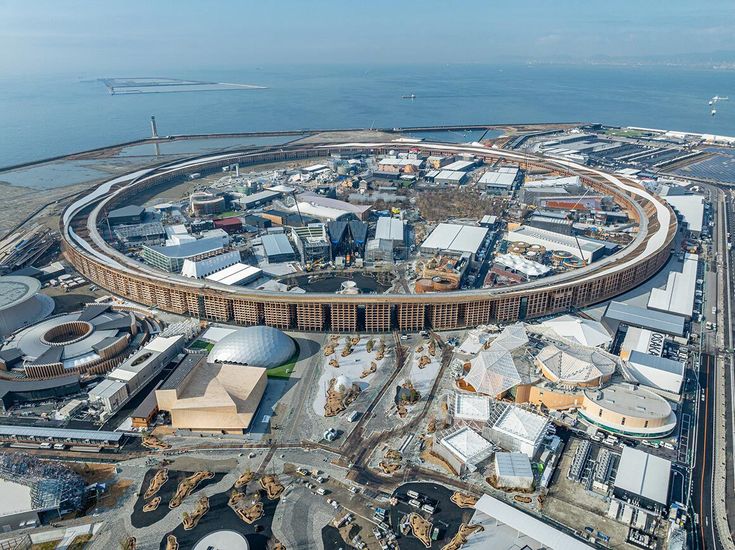
Building a giant wooden ring that surrounds the entire Expo site is a complex and demanding task. In order to make it possible and come to reality, construction and engineering teams had to find super solutions that would guarantee the structure’s strength, safety, and long-term stability. Given Japan’s tough earthquake regulations, the design had to be both strong enough to hold its shape and flexible enough to absorb movement from natural forces like quakes and typhoons.
To meet these challenges, the project relies heavily on modular construction and prefabricated parts. Each piece—whether a beam, joint, or panel—has been carefully designed and measured to fit together with exact precision. Bringing the world’s largest wooden structure to life has required more than vision—it has demanded world-class engineering and flawless execution.
Reviving Traditional Craftsmanship
This project serves as a revival of ancient carpentry, with the incorporating traditional Japanese joinery techniques, as it can intricate wood connections without nails or metal fasteners. Because of the expertise of the craftsmen from various parts of Japan, the structure not only satisfies contemporary engineering standards but also conveys a sense of pride and legacy.
Part of what makes the largest wooden structure in the world so remarkable is this fusion of the old and the new, where tradition meets technology. It serves as a connection between eras, pointing to how insights from the past event can guide solutions in the present.
A Lasting Legacy Beyond the Expo
Most of the previous Expo structures were dismantled after the event, but this wooden ring mainly designed with the future in mind. Japan plans to transform it into a lasting public space—whether as a cultural venue, a community hub, or an educational site—so it continues to serve a purpose long after Expo 2025 ends.
This focus on endurance highlights the broader vision behind the Expo itself: to spark meaningful, long-term impact rather than fleeting displays. As a result, the world’s largest wooden structure is set to become a lasting part of Osaka’s landscape, inspiring generations even after the world’s attention moves on.
Reason It Matters Globally
The world’s largest wooden structure in the world is establishing a daring precedent as cities all over the world look for innovative approaches to architecture and urban development. It demonstrates that even our most ambitious goals can have a responsible foundation and that scale and sustainability are not mutually exclusive.
In an era where construction is one of the largest contributors to carbon emissions, Japan’s decision to champion timber as the centerpiece of its global Expo sets a critical example. The message is clear: the future of architecture lies not only in steel and concrete but in returning to materials that work with the Earth, not against it.
A Circle That Connects Us All
One of the world’s largest wooden structure built serves as a potent symbol of what can be achieved when tradition, technology, and sustainability come together as Expo 2025 Osaka approaches. It is more than just a focal point; it is a realization of a vision—a real location where people from all walks of life will come together to influence the ideas of the future.
This architectural wonder is set to become a lasting icon because of its eco-friendly construction and symbolic circular design. It challenges each of us to envision a brighter future that respects our history while looking to the future with confidence.
Read More: The Curious Case of the Heoibikuni: Japan’s Historical “Blame-Taker” for Flatulence
Leave a Reply