In the quiet forests of northern Japan, far from the neon lights of Tokyo or the crowds of Kyoto, something unusual happens—wild foxes in Miyagi bow to people. These aren’t trained animals in an enclosure or part of a staged ritual. They’re free, untamed, and somehow deeply connected to the sacred surroundings of the local Shinto shrines. Visitors to places like Shiroishi Inari Shrine often share stories that sound like something from a folk tale. A fox appears from the trees, makes eye contact, and dips its head slowly—as if offering respect.
For many, the moment is unforgettable. And in a country where animals often play significant roles in spiritual life, these foxes are not just wild creatures—they’re revered as messengers of the gods. The phenomenon of wild foxes in Miyagi bowing has captured the imagination of locals and travellers alike. And as interest in this spiritual behaviour grows, it leads us to explore its deeper roots in history, religion, and folklore.
Foxes and Faith: The Spiritual Symbolism in Japanese Culture
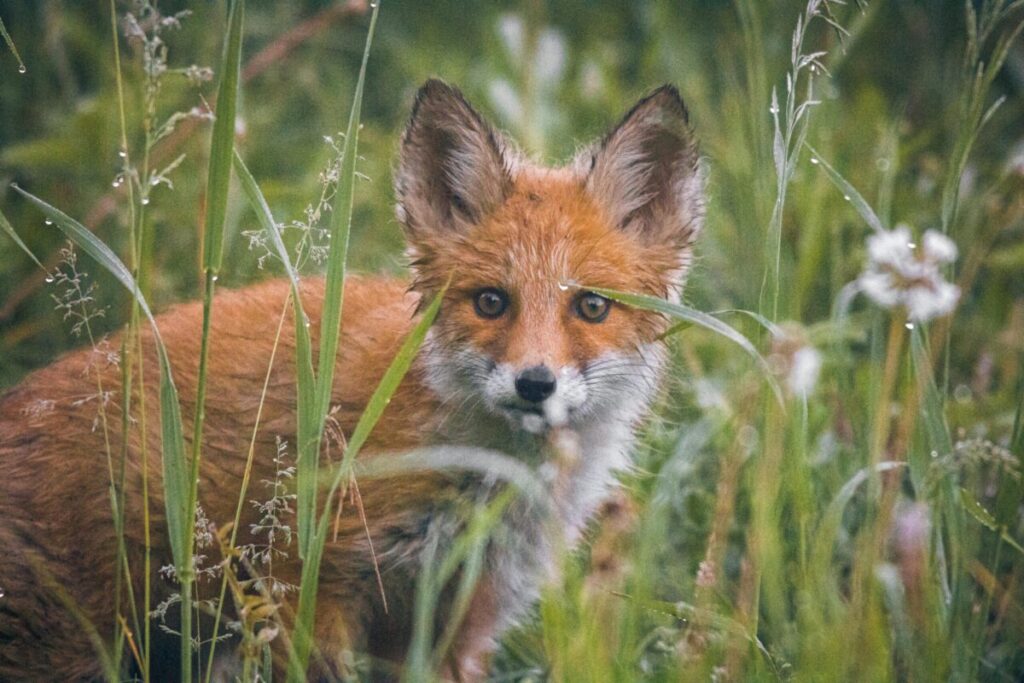
To understand why wild foxes in Miyagi are seen as more than mere animals, we need to look into the heart of Japan’s religious traditions. In Shintoism—the indigenous faith of Japan—foxes, known as kitsune, are sacred beings. They serve as messengers to the god Inari Ōkami, the deity of agriculture, rice, fertility, and prosperity. You’ll find fox statues at nearly every Inari shrine, their mouths often holding keys or scrolls that symbolize spiritual knowledge and protection. But wild foxes in Miyagi are not stone guardians—they are living ones, and their presence around these shrines is seen as an extension of the spiritual world into our own.
The idea of a fox bowing isn’t completely surprising within this cultural lens. In Japanese society, bowing is a sign of respect, humility, and greeting. If animals live close to human behaviour long enough, it’s not unthinkable that they might learn or mimic certain movements. But in this case, many believe something deeper is at play. The bow of the fox is often interpreted as acknowledgement—a way of recognizing the spiritual presence of visitors or honouring the sacred nature of the shrine. In this space where legend and reality blur, the wild foxes in Miyagi are not just participants in nature; they are vessels of meaning.
A Place Where the Wild and the Sacred Meet
Miyagi Prefecture, part of Japan’s northern Tōhoku region, is known for its serene landscapes, misty mountains, and richly preserved traditions. It’s a place where the modern world fades, and the spiritual past is still alive. Shrines in the region are often nestled in remote wooded areas, surrounded by moss-covered stones and ancient trees—ideal environments for shy wildlife like foxes.
This natural setting is crucial. Unlike urban areas, where animals are wary of humans, the forests of Miyagi offer peace and continuity. The wild foxes in Miyagi have shared these lands with humans for centuries. And the local communities don’t treat them as pests or predators but as neighbours—or even protectors. There’s a deep respect between people and animals here. Visitors are told not to feed or touch the foxes but to watch quietly and, if lucky, receive a bow.
That gesture feels personal and spiritual, but it also reflects the environment: calm, respectful, and deeply rooted in old ways. What’s remarkable is that this behaviour hasn’t been commodified. It’s not sold as a show or performance. There’s no guarantee of seeing a fox at all. But that’s part of what makes the encounter meaningful. The wild foxes in Miyagi appear when they choose to, often around dusk or early morning, as if guided by something unseen.
Folklore, Mystery, and Modern Curiosity
Japan has a rich tradition of animal folklore. From raccoon dogs (tanuki) with magical powers to crane spirits who repay kindness, the line between human and animal has always been thin in local storytelling. Foxes occupy a particularly powerful space in that world. Some legends paint them as tricksters or shape-shifters; others as protectors or guides to the spirit world.
The wild foxes in Miyagi, then, carry the weight of centuries of storytelling. Whether or not you believe they are literal spirit messengers, their behaviour invites reflection. Why do they choose to stay near the shrines? Why do they bow? Is it instinct, mimicry, or something more mysterious? Animal behaviourists offer theories—some suggest the foxes have learned from observing people, while others believe it’s a submissive gesture.
But none of those answers seem to fully explain why this phenomenon occurs primarily around certain shrines and not elsewhere. The answer may lie not in science or spirituality alone but in how the two overlap. The wild foxes in Miyagi have become a symbol—not just of tradition but of how nature and belief can coexist. They remind us that mystery still lives in quiet forests and that the sacred doesn’t always wear a robe or sit on an altar. Sometimes, it wears fur and greets you with a bow.
Keeping the Sacred Wild – Wild foxes in Miyagi

Today, the caretakers of Miyagi’s shrines and forests work hard to protect the foxes and their environment. As word spreads and more travellers visit in hopes of witnessing a bowing fox, there’s also growing concern about disrupting the delicate balance. That’s why education is key—visitors are urged to walk softly, stay on marked paths, and leave no food or trash behind.
The charm of wild foxes in Miyagi lies not just in their gesture but in the fact that they are truly wild. They choose to approach or not. They remain elusive, mysterious, and unspoiled. That makes the encounter—when it happens—all the more meaningful. For those who come with respect and patience, the reward is unforgettable. A bow from a fox in the forest is more than a photo opportunity. It’s a spiritual invitation, a quiet connection, and perhaps, a message from a world we’ve nearly forgotten how to see.
Read More: Junior High School Principal in Japan Dismissed Over Coffee Cup Incident
Leave a Reply