Imagine sinking your teeth into a strawberry that’s not just a treat but a marvel—a golf-ball-sized, milky-white gem bursting with a pineapple-candy flavor. In Japan, this isn’t a dream; it’s the White Jewel strawberry, or Shirou Houseki, a rarity that costs a stunning $10 per berry. For fruit lovers, it’s not only about taste—it’s about what you’d pay for something truly unique. Let’s unravel the story of this luxurious delight, why it enchants Japan, and whether it could tempt the world.
What Makes It Special
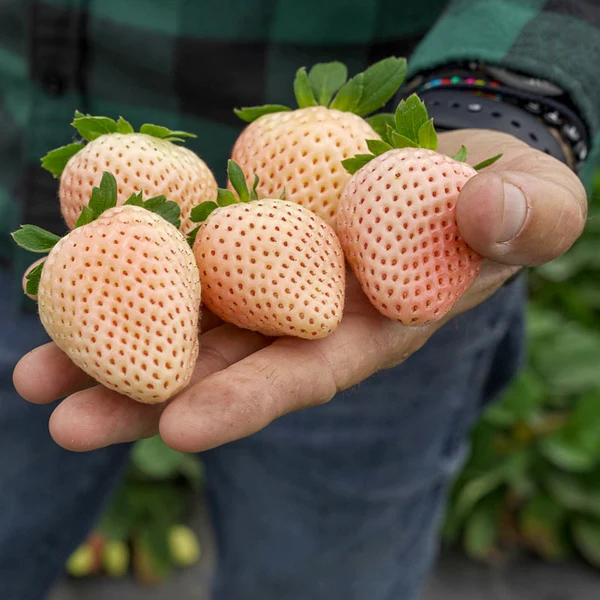
In Japan’s Saga Prefecture, farmer Yasuhito Teshima has spent over a decade crafting the White Jewel—a strawberry that defies tradition. Weighing up to 50 grams with a luminous white hue inside and out, it’s a visual stunner. Teshima’s trick? He limits sunlight exposure to suppress anthocyanin, the pigment behind red strawberries, ensuring only 10% of his crop achieves this snowy perfection. The rest? They blush pink or red, missing the elite cut.
In Japan’s Saga Prefecture, farmer Yasuhito Teshima has spent over a decade crafting the White Jewel—a strawberry that defies tradition. Weighing up to 50 grams with a luminous white hue inside and out, it’s a visual stunner. Teshima’s trick? He limits sunlight exposure to suppress anthocyanin, the pigment behind red strawberries, ensuring only 10% of his crop achieves this snowy perfection. The rest? They blush pink or red, missing the elite cut.
Visual Suggestion: A close-up photo of a White Jewel strawberry, cradled in its plush packaging, glowing against a dark backdrop to highlight its jewel-like sheen.
Why It Costs $10
At 1,080 yen apiece, the White Jewel isn’t cheap—and that’s the point. Its steep price reflects a painstaking process: hand-pollination, controlled growing conditions, and a low yield that demands vast space. John Daub of Only in Japan calls it a “sugary revelation” with a tropical twist, softer and juicier than your average berry. Compare that to a $6-$7 pack of organic red strawberries in the U.S., and this feels like a once-in-a-lifetime splurge. For Japanese buyers, who dropped ¥25 billion on strawberries in 2024 (per the Ministry of Agriculture), it’s worth every yen for its one-of-a-kind allure.
At 1,080 yen apiece, the White Jewel isn’t cheap—and that’s the point. Its steep price reflects a painstaking process: hand-pollination, controlled growing conditions, and a low yield that demands vast space. John Daub of Only in Japan calls it a “sugary revelation” with a tropical twist, softer and juicier than your average berry. Compare that to a $6-$7 pack of organic red strawberries in the U.S., and this feels like a once-in-a-lifetime splurge. For Japanese buyers, who dropped ¥25 billion on strawberries in 2024 (per the Ministry of Agriculture), it’s worth every yen for its one-of-a-kind allure.
Japan’s Luxury Fruit Culture
The White Jewel isn’t meant for casual munching—it’s a status symbol. Packaged in plush, jewel-box cases, it’s a prized gift in Japan’s tradition of lavish offerings. This fits a broader trend: think $448 Bijin-hime strawberries from Gifu or $22 Kokotas, prized for their flawless taste. With over 300 strawberry varieties nationwide, Japan’s obsession with premium produce is unrivaled, from square watermelons to Yūbari King melons. The White Jewel shines as a star in this high-end galaxy.
The White Jewel isn’t meant for casual munching—it’s a status symbol. Packaged in plush, jewel-box cases, it’s a prized gift in Japan’s tradition of lavish offerings. This fits a broader trend: think $448 Bijin-hime strawberries from Gifu or $22 Kokotas, prized for their flawless taste. With over 300 strawberry varieties nationwide, Japan’s obsession with premium produce is unrivaled, from square watermelons to Yūbari King melons. The White Jewel shines as a star in this high-end galaxy.
A Flavor Worth Celebrating
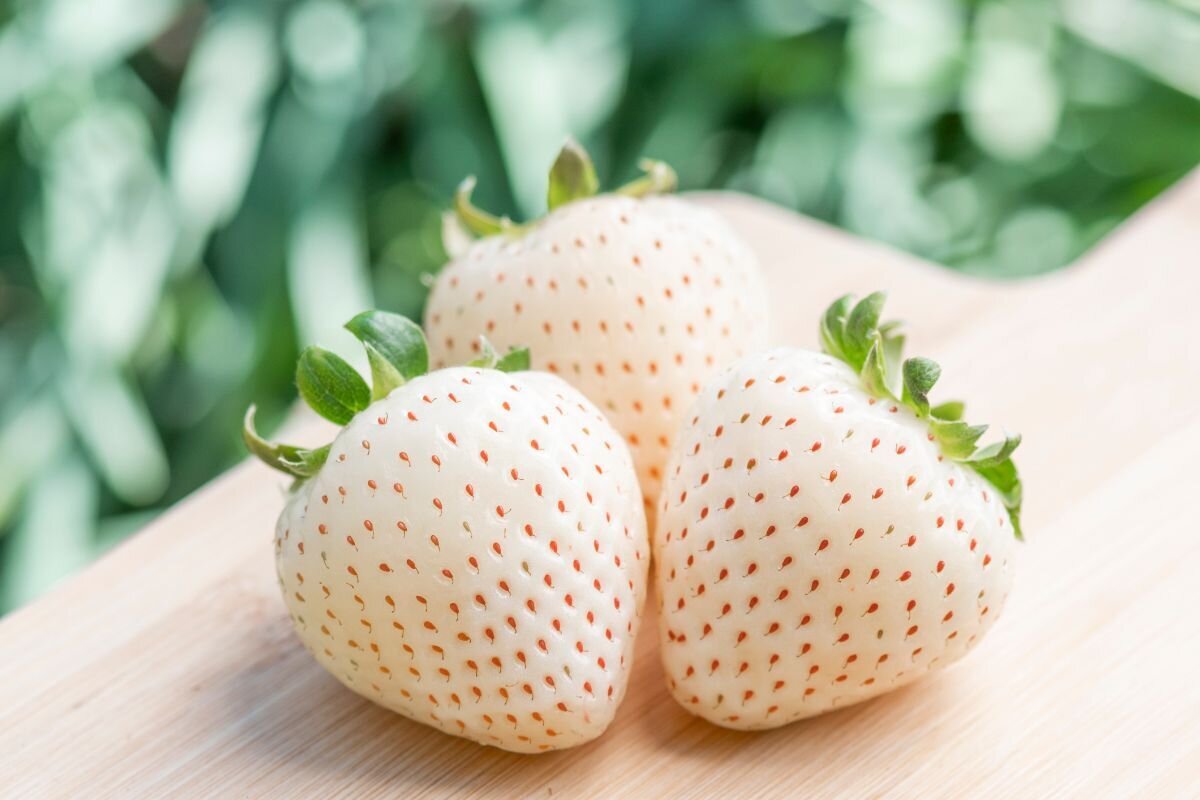
What’s it like to eat one? Daub describes a candy-sweet bite with a pineapple hint—a refined departure from the tart norm. This uniqueness, tied to Teshima’s solo production, drives its value. It’s not just food; it’s an experience, often gifted during holidays or special exchanges. In 2024, luxury retailer Ikigai Fruits began shipping variety packs (like 27 berries for $780) to the U.S., hinting at global intrigue—but hefty shipping costs ($40+) keep it a Japanese treasure for now.
What’s it like to eat one? Daub describes a candy-sweet bite with a pineapple hint—a refined departure from the tart norm. This uniqueness, tied to Teshima’s solo production, drives its value. It’s not just food; it’s an experience, often gifted during holidays or special exchanges. In 2024, luxury retailer Ikigai Fruits began shipping variety packs (like 27 berries for $780) to the U.S., hinting at global intrigue—but hefty shipping costs ($40+) keep it a Japanese treasure for now.
Leave a Reply