Introduction
This article will analyze one of Japan’s crispy delicacies to consider when looking for the best food to eat. Tempura or tenpura (Japanese name) is one of Japan’s most beloved and recognizable dishes, known for its light, crispy texture and delicate flavors.
This deep-fried delicacy is enjoyed worldwide, often served with dipping sauces, rice, or noodles. While many associate tenpura with Japanese cuisine, its origins and evolution tell a fascinating story of cultural exchange and culinary innovation.
In this post, we will look at the history, ingredients, cooking processes, and variants of tempura, as well as advice for making superb tenpura at home.
The Origins and History of Tempura
Unlike common assumption, tenpura did not originate in Japan. The dish was introduced in the 16th century by Portuguese missionaries and traders who brought their frying techniques to Japan. The word “tempura” is believed to have come from the Latin word tempora, referring to the fasting days when Catholics abstain from eating meat and consumed fried vegetables and seafood instead.
Japanese chefs quickly adapted the frying technique, modifying the batter and cooking methods to suit local ingredients and tastes. Tempura gradually became a fundamental element of Japanese cuisine, particularly during the Edo period (1603-1868), when it became famous as a street snack in Edo (modern-day Tokyo).
Tenpura is now a fixture in Japanese restaurants around the world, with regional variants adding variety to this traditional dish.
Ingredients Used in Tempura
One of the reasons tempura is so special is its simplicity. The dish primarily consists of three main components:
- Batter: Traditional tenpura batter is made from cold water, flour, and eggs. Some recipes include a small amount of baking soda or cornstarch to enhance crispiness. The key to a light batter is minimal mixing to avoid gluten formation, which can result in a chewy texture.
- Main Ingredients: Tempura can be made with a variety of ingredients, including:
- Seafood (shrimp, squid, fish, scallops)
- Vegetables (sweet potato, eggplant, zucchini, mushroom, bell pepper, asparagus)
- Other unique ingredients like tofu, seaweed, or even cheese
- Dipping Sauce: The classic tenpura dipping sauce, tentsuyu, is made from dashi (Japanese soup stock), soy sauce, mirin (sweet rice wine), and sometimes grated daikon radish for added flavor. Some variations use flavored salts or matcha salt instead.
Cooking Techniques for Perfect Tempura
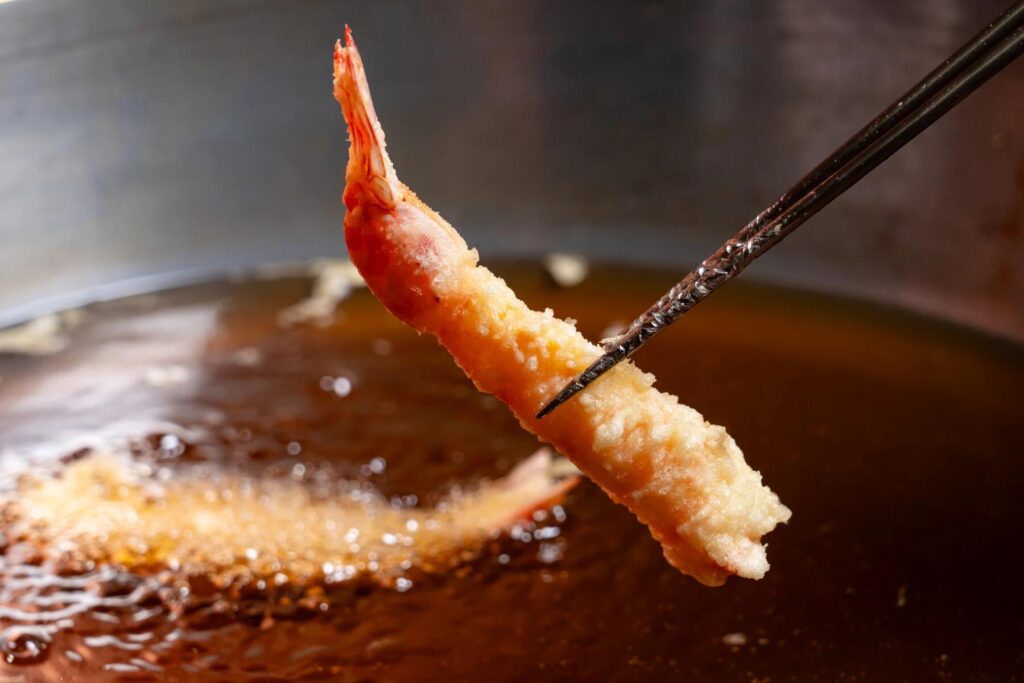
Cooking tenpura (Japanese name) may seem straightforward, but achieving the perfect light and crispy texture requires attention to detail. Here are some key techniques for making authentic tempura:
Don’t Miss: 10 Popular Japanese Foods That Aren’t Sushi or Ramen
1. Keep the Batter Cold
The batter should be as cold as possible to ensure a crispy texture. Many chefs use ice water or refrigerate the batter before frying. Some even add a few ice cubes to maintain the temperature.
2. Use the Right Oil
Traditional tempura is fried in vegetable oil, sesame oil, or a blend of both. Sesame oil imparts a subtle, nutty aroma and enhances the flavor. The oil temperature should be around 170–180°C (340–360°F) to prevent it to be soggy.
3. Avoid Over-Mixing the Batter
A lumpy batter is ideal for tenpura, as it prevents gluten development. Mix the batter gently with chopsticks and avoid over-stirring.
4. Fry in Small Batches
Overcrowding the frying pan lowers the oil temperature, leading to greasy and unevenly cooked tenpura. Fry in small batches and remove excess batter before placing the ingredients in the oil.
5. Drain and Serve Immediately
After frying, drain the tempura on a wire rack or paper towel to remove excess oil. Serve immediately to enjoy its crispiness before it softens.
Popular Tempura Variations
Over time, different regions and cultures have developed their unique tenpura variations. Check out a few of the most popular:
1. Ebi Tempura (Shrimp Tempura)
One of the most iconic types of tenpura (Japanese name), ebi tempura features large shrimp coated in a light batter and deep-fried to golden perfection. It is commonly served with dipping sauce or as a topping for rice bowls (tendon).
2. Vegetable Tempura
Vegetable tempura is a great vegetarian option and includes ingredients like sweet potatoes, bell peppers, mushrooms, and eggplant. Some restaurants serve an assortment of vegetable tempura as a main dish.
3. Kakiage (Mixed Tempura)
Kakiage is a type of tempura made by mixing shredded vegetables and sometimes seafood into a batter and deep-frying it into crispy fritters. It is often served over rice or udon noodles.
4. Tempura Sushi
Tempura can be incorporated into sushi rolls, with shrimp tenpura being a popular filling. The crispy texture adds a delightful contrast to the soft rice and seaweed.
5. Modern and Fusion Variations
It has also inspired fusion dishes, such as tenpura-battered avocado, mozzarella cheese, and even deep-fried ice cream.
How to Make Tempura at Home
Want to make restaurant-quality tenpura at home? Follow these steps:
Ingredients:
- 1 cup all-purpose flour
- 1 egg
- 1 cup ice-cold water
- ½ teaspoon baking soda (optional)
- 200g seafood or vegetables of choice
- Vegetable or sesame oil for frying
- Dipping sauce (tentsuyu)
Instructions:
- Prepare Ingredients: Slice vegetables into bite-sized pieces. Pat seafood dry with paper towels.
- Make the Batter: In a bowl, lightly beat the egg, then add ice-cold water. Gradually add flour and baking soda, mixing gently. Do not over-mix.
- Heat the Oil: In a deep pan, heat oil to 170–180°C (340–360°F).
- Dip and Fry: Lightly coat the ingredients in batter and fry in small batches until golden brown.
- Drain and Serve: Remove from oil, drain excess oil, and serve immediately with dipping sauce.
Health Benefits and Considerations
Tempura is a delicious treat but should be consumed in moderation due to its deep-fried nature. To make it healthier:
- Use high-quality oil and maintain the correct frying temperature.
- Opt for more vegetable-based tenpura.
- Serve with fresh salads or miso soup to balance the meal.
Tempura is a timeless Japanese dish that has captivated food lovers worldwide. Its light, crispy texture and versatility make it a favorite among seafood and vegetable enthusiasts alike.
Whether enjoyed at a traditional Japanese restaurant or made at home, it continues to be a symbol of Japan’s rich culinary heritage. By following the right techniques, you can master the art of tenpura and bring this delightful dish to your table. Happy cooking!
Read More: Top 5 Japanese Winter Foods: Warm Your Soul with Tradition
Leave a Reply