Winter in Japan is nothing short of magical. The crisp air, twinkling lights, and the aroma of seasonal delicacies create an enchanting atmosphere. As temperatures drop, the Japanese turn to hearty, soul-warming foods that not only combat the cold but also bring people together. These dishes are deeply rooted in tradition, history, and cultural significance, making them an integral part of the winter experience. Let’s explore the top 5 Japanese winter foods that will warm your soul this season.
5. Mochi & Zenzai – Sticky, Sweet, and Symbolic
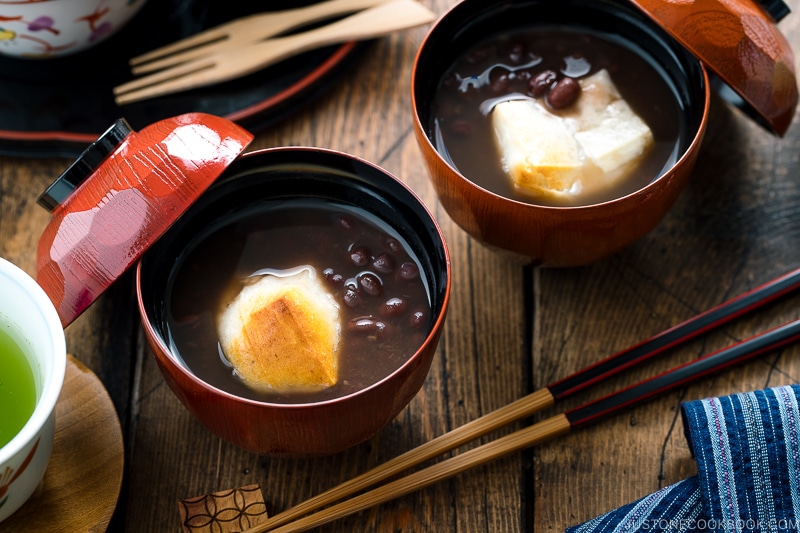
When winter arrives, so does the craving for mochi, the chewy, glutinous rice cake that holds a special place in Japanese culture. More than just a treat, mochi symbolizes longevity and good fortune, especially during the New Year. One of the most beloved ways to enjoy mochi in winter is in zenzai, a sweet red bean soup often compared to hot chocolate for its comforting warmth.
Zenzai is a simple yet deeply satisfying dish, featuring soft mochi floating in a warm, sweet broth made from azuki beans. It’s often paired with green tea, making it the perfect snack for a chilly afternoon. During New Year’s celebrations, kagami mochi (decorative mochi) is displayed in homes as an offering to the gods, further cementing mochi’s role as a winter staple.
4. Oden – The Convenience Store Classic
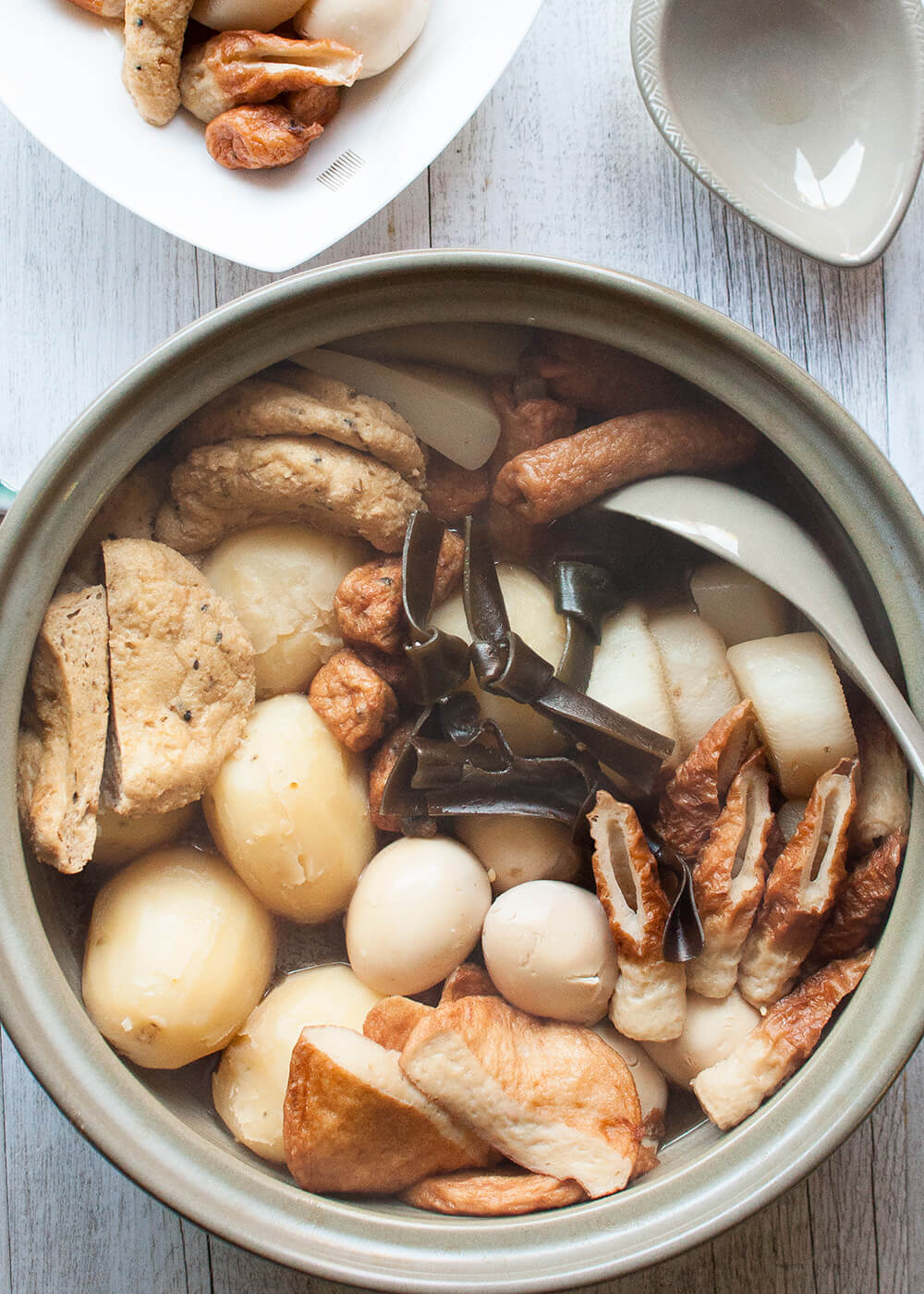
Imagine walking into a convenience store on a cold winter’s day and being greeted by the savory aroma of oden, Japan’s ultimate comfort food. This hotpot-style dish is a winter favorite, featuring a light dashi broth simmered with ingredients like daikon radish, boiled eggs, fish cakes, tofu, and konnyaku (a jelly-like yam cake).
Oden is as versatile as it is comforting. Whether enjoyed at home, at a street stall, or even from a convenience store counter, it’s a dish that brings warmth and simplicity to the season. Its popularity lies in its ability to be both hearty and light, making it a go-to meal for chilly evenings.
3. Winter Fruits – Mikan, Strawberries, Kaki & Yuzu

Winter in Japan is also a time to celebrate the bounty of seasonal fruits. Mikan (mandarin oranges) are perhaps the most iconic, often enjoyed under a kotatsu (a heated table) while watching TV or chatting with family. Their bright, citrusy flavor is a refreshing contrast to the cold weather.
Other winter fruits like strawberries, kaki (persimmons), and yuzu (a fragrant citrus fruit) also take center stage. Yuzu, in particular, is a winter superstar, used in everything from hot pots to desserts. It’s even added to hot baths during the winter solstice in a tradition called yuzuyu, believed to ward off colds and bring good health.
2. Sukiyaki & Shabu Shabu – Hotpot for the Soul
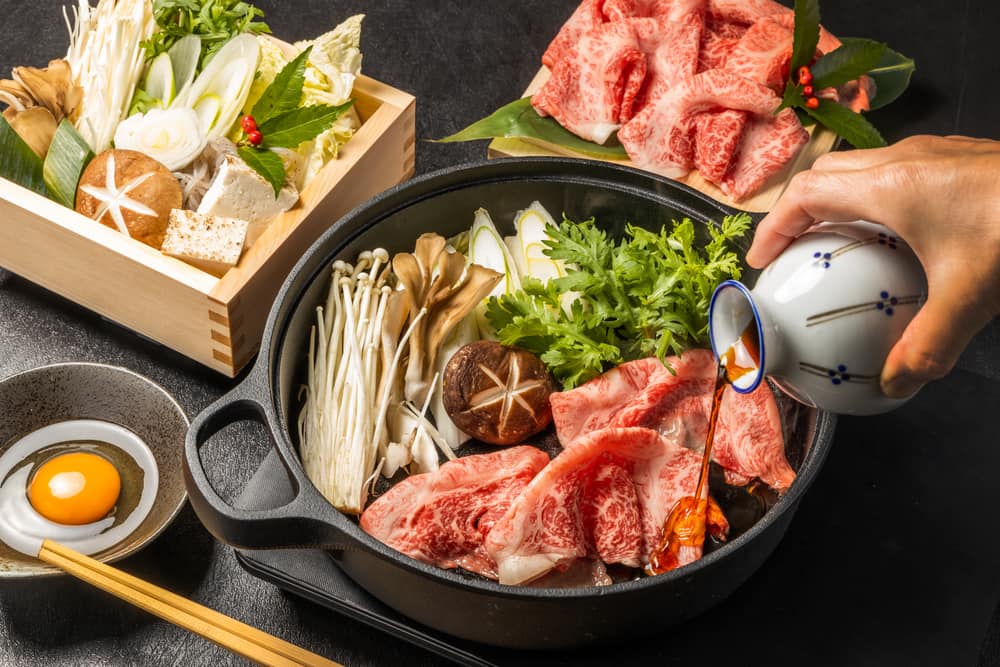
When it comes to winter dining in Japan, nothing beats the communal joy of a hotpot meal. Sukiyaki and shabu shabu are two of the most popular hotpot dishes, each offering a unique flavor experience.
Sukiyaki is a sweet-savory delight, featuring thinly sliced beef simmered in a soy sauce-based broth with vegetables, tofu, and glass noodles. The ingredients are often dipped in raw egg before eating, adding a rich, creamy texture. On the other hand, shabu shabu is lighter, with diners swishing thinly sliced meat and vegetables in a clear broth before dipping them in tangy ponzu or sesame sauce.
Both dishes are more than just meals—they’re experiences. Gathering around a bubbling pot with family and friends is a cherished winter tradition that warms both the body and the heart.
1. Osechi Ryori – The Ultimate New Year’s Feast
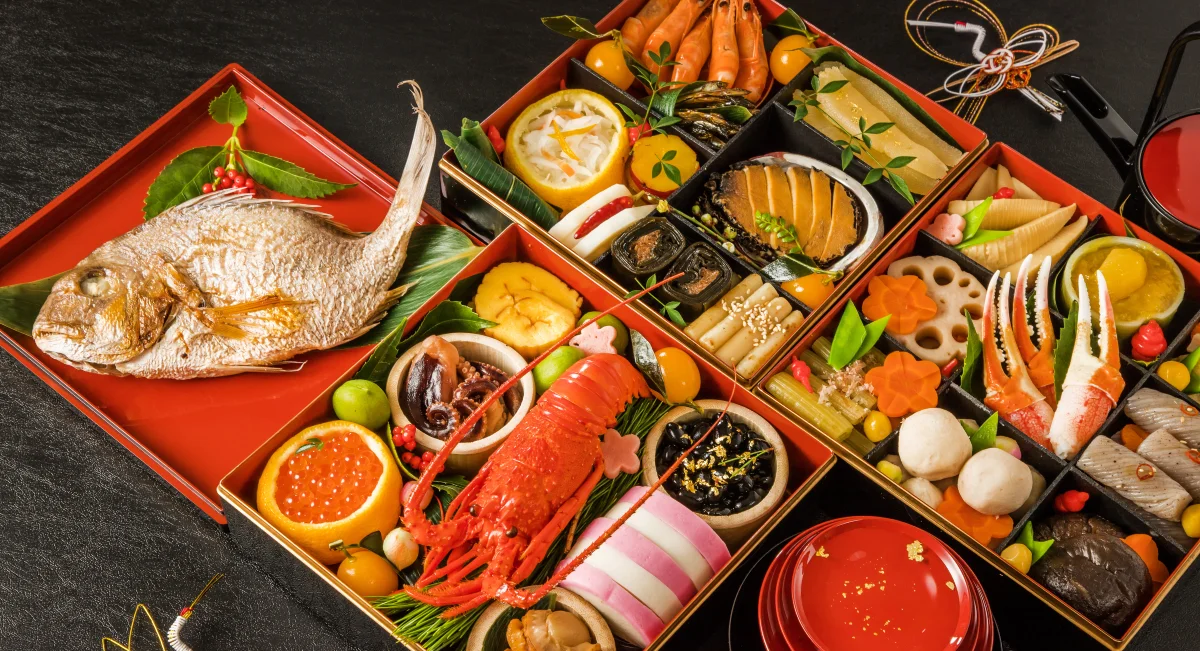
No Japanese winter is complete without osechi ryori, the elaborate meal prepared to celebrate the New Year. Packed in beautiful lacquered boxes called jubako, osechi is a feast for the eyes and the palate. Each dish is carefully chosen for its symbolic meaning, such as black beans for health, herring roe for fertility, and sweet chestnuts for success.
Osechi has a rich history dating back to the Heian period, when it was prepared to last several days so that families could rest and enjoy the holiday without cooking. Today, osechi has evolved to include modern twists, with themed boxes featuring characters from Pokémon, Star Wars, and more. It’s a meal that embodies the spirit of renewal and togetherness, making it the crown jewel of Japanese winter cuisine.
Final Thoughts
Japanese winter foods are more than just meals—they’re a celebration of tradition, community, and the simple joys of the season. From the sticky sweetness of mochi to the communal warmth of hotpot, these dishes offer a glimpse into the heart of Japanese culture. So, whether you’re planning a trip to Japan or simply looking to bring a taste of winter magic into your home, these foods are sure to warm your soul.
Why not try making zenzai or hosting a shabu shabu night with friends? After all, winter is the perfect time to gather, share, and savor the flavors of the season.
Leave a Reply