This topic will evolve in the baked sweet potato in Japan, as we known that the country is rich in traditions, ranging from sushi and ramen to distinguish wagashi (Japanese sweets).However, baked sweet potato (yaki-imo) is among the beloved foods everyone in Japan admire so much as it holds a special place in culture.Not only that, it is a delicious snack deeply intertwined with seasonal traditions, history, and modern food culture in Japan.Whether served as a warm street food treat in the winter or as a nutritious element in modern cooking, yaki-imo is a perennial favorite among Japanese people.
The History of Baked Sweet Potatoes in Japan
Baked sweet potato originated from China and the Ryukyu Kingdom (present-day Okinawa), as it was introduced to Japan in the early 17th century.It quickly became an important crop within short period of time, especially in some regions with poor soil quality where rice cultivation was difficult. Sweet potatoes played a vital role in sustaining the population during the time of hardship especially due to their resilience and nutritional value.Baked sweet potato practice in those time gained popularity during the Edo period (1603-1868) when the snacks became widely available across Japan.Street sellers selling roasted sweet potatoes in clay ovens became commonplace, and the sweet, smokey aroma of yaki-imo floating through the streets came to represent winter in Japan.
Traditional Baked Sweet Potato (Yaki-Imo)
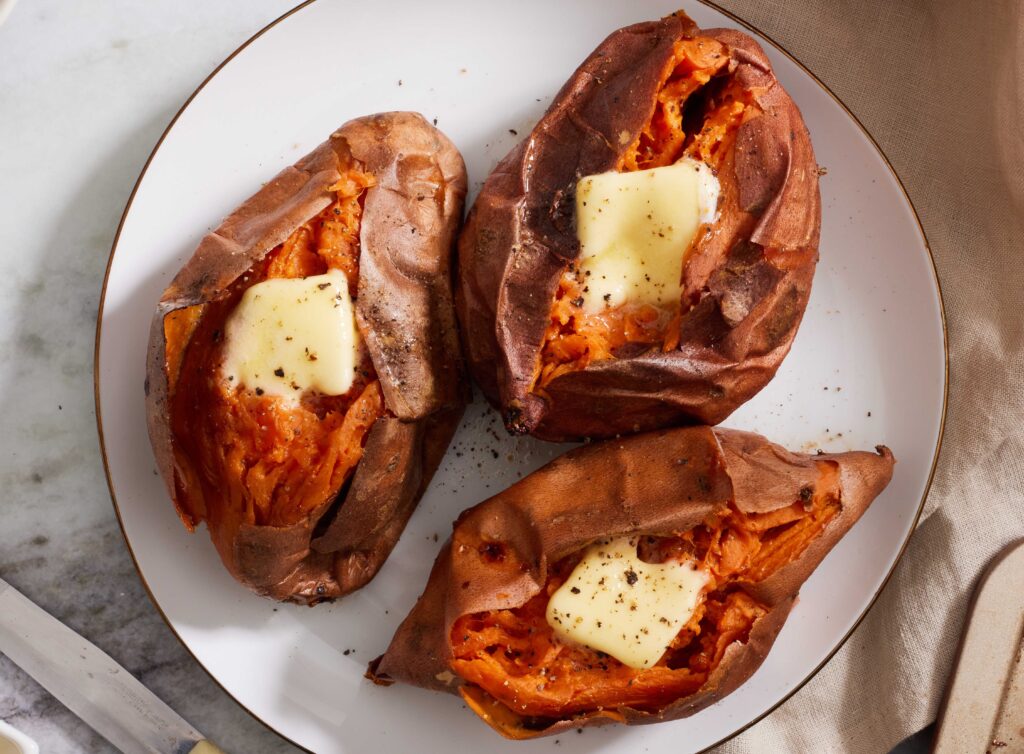
Traditional yaki-imo is made by slowly roasting whole sweet potatoes on hot stones or in specialized ovens. This cooking process causes the potato’s natural sugars to caramelize, yielding a soft, creamy texture and a rich, sweet flavor.
4 Popular Varieties of Sweet Potatoes in Japan
Japan has several varieties of sweet potatoes, each with distinct characteristics. Some of the most popular include:
- Beniharuka: It is known for its well smooth texture and high sugar content.
- Silk Sweet: The silk sweet always has a fine, silky texture with a balanced sweetness.
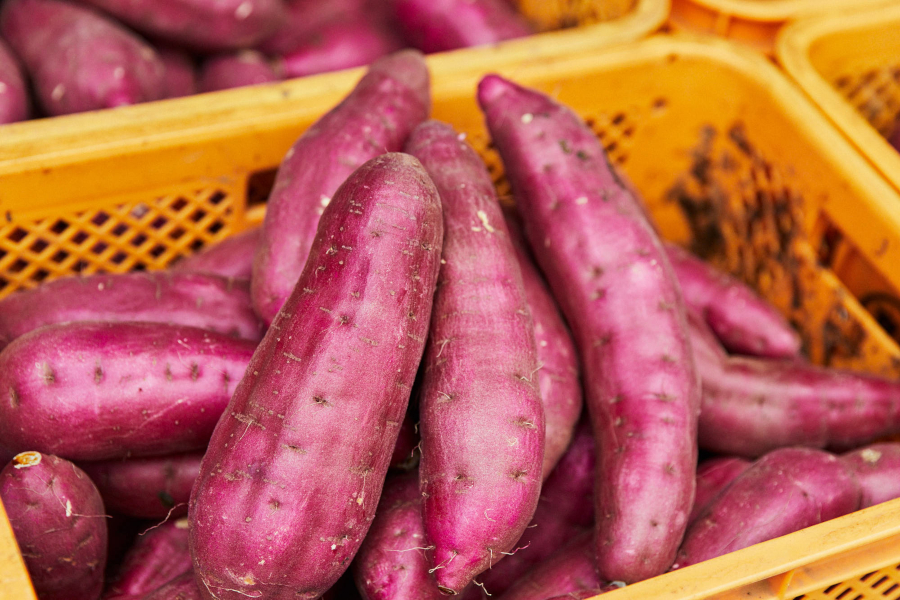
- Purple Sweet Potato (Murasaki Imo): It is also known for its vibrant purple flesh and earthy sweetness among other snacks.
- Anno Imo: A specialty of Tanegashima Island, known for its excellent sweet and moist flesh always.
Yaki-Imo Vendors and Seasonal Tradition
Yaki-Imo is mostly sold by all street vendors during the colder months in Japan, while their trucks with stone ovens slowly drive through neighborhoods, calling out to customers with their distinctive “Ishi Yaki-Imo” song.
This nostalgic view is a favorite element of Japanese winter, reminding many of their childhood memories.
Don’t Miss: Samurai and Ninja: 5 Key Differences in Feudal Japan
Health Benefits of Baked Sweet Potatoes
Japanese baked sweet potatoes are not only delicious but also highly nutritious, offering numerous health benefits. They are rich in fiber, promoting digestive and gut health, while their low glycemic index helps regulate blood sugar levels, making them a great choice for diabetics. Packed with antioxidants like vitamin C, beta-carotene, and anthocyanins (in purple varieties), they combat oxidative stress in the body. Additionally, they are low in calories yet filling, making them ideal for weight management. Enjoy them as a tasty and wholesome addition to a balanced diet!
Modern Takes on Baked Sweet Potatoes
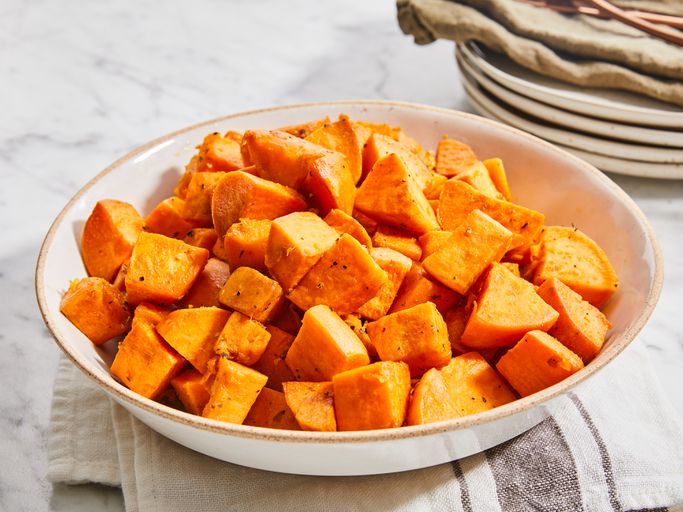
As the traditional yaki-imo maintain its popularity, same way as the modern interpretations of baked sweet potato dishes have emerged, reviewing its versatility. Below are some of the contemporary variations include:
How to Make Japanese-Style Baked Sweet Potato at Home
If you are unable to visit to Japan, you can still taste authentic Japanese yaki-imo at home. This is a basic recipe:
Ingredients:
- 2 to 3 Japanese sweet potatoes (preferably Anno Imo or Beniharuka)
Instructions:
- You must wash and dry the sweet potatoes very well. And do not peel them.
- Set the oven to 325°F (160°C).
- Be sure to wrap each sweet potato in foil (optional, but helps maintain moisture).
- Just place straight on the oven rack or on a baking sheet lined with parchment paper.
- Don’t bake more than 60–90 minutes, turning halfway through, till the skin is wrinkled and the inside is soft.
- Let it be up to 10 minutes before serving. Enjoy as is or with a pinch of sea salt.
Increased Demand for Healthier Snacks
Yaki-imo (baked sweet potatoes) has experienced a resurgence in popularity as more people seek healthier alternatives to processed snacks, driven by growing health and wellness awareness. Many in Japan are now choosing natural, fiber-rich foods like sweet potatoes, which align perfectly with this trend. Stores and supermarkets have responded by stocking pre-packaged baked sweet potatoes, making them more accessible to consumers. This shift highlights a broader movement toward nutritious, convenient snack options that don’t compromise on taste or quality.
The Rise of Sweet Potato Cafés and Global Appeal
Specialty cafés dedicated to sweet potato dishes, particularly in Tokyo and Osaka, have gained traction by offering creative twists on yaki-imo, such as sweet potato lattes, parfaits, and smoothies—appealing to younger crowds and social media trends. Convenience stores like 7-Eleven and Lawson have also embraced the demand, selling ready-to-eat yaki-imo for on-the-go snacking. Beyond Japan, yaki-imo’s international recognition has spurred exports to the U.S. and Southeast Asia, fueled by the global influence of Japanese cuisine. As both a timeless street food and a modern gourmet treat, yaki-imo’s simplicity and versatility continue to captivate food lovers worldwide.
Read More: Top 5 Japanese Winter Foods: Warm Your Soul with Tradition
Leave a Reply