Picture this scene… You’re at an Izakaya with your mates, all having a great time. It’s towards the end of the evening when everyone notices there’s just one more piece of Tebasaki (手羽先, Chicken wing) on the plate in the centre, but there are 4 of you. Being the polite person you are, you don’t want to take it, but you don’t want it to go to waste either. After all, it goes perfectly with the last Beer you just ordered. What’s a socially sensible person to do to make this difficult decision and not be ostracised? Ask politely if you can take that last piece? Nope! Have a staring contest and try to be the first to snatch it off the plate? Wrong again! The right answer is Janken (じゃん拳) for it! What’s this Janken, you ask? It’s the Japanese name for Rock, Paper, Scissors, and has become an integral part of Japanese society.
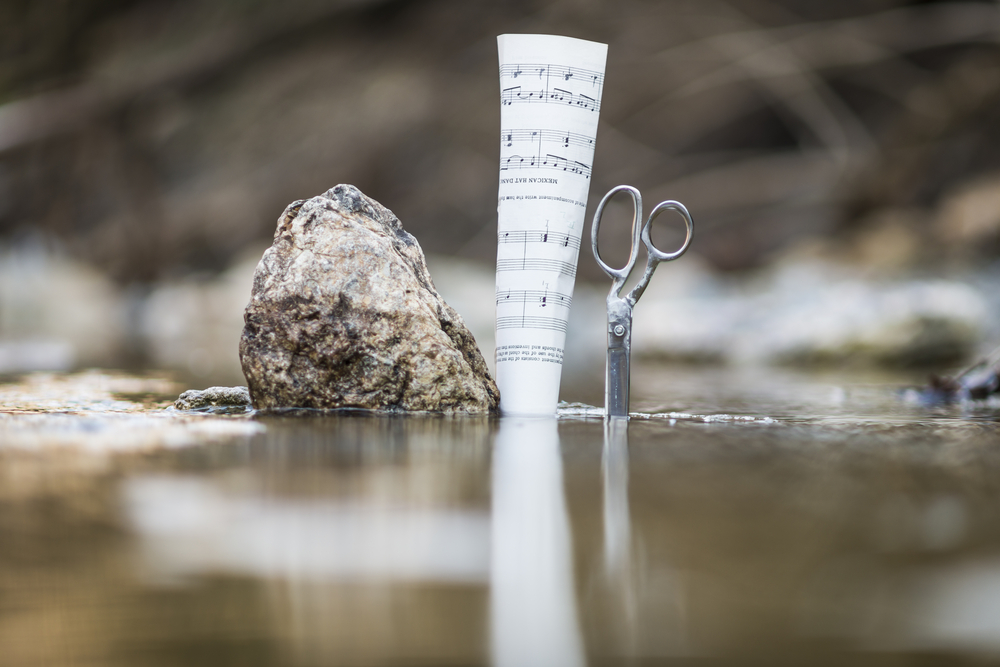
It is extreeeemely popular (one “e” just wasn’t enough to highlight its popularity) in the land of the rising sun, and the De Facto decision maker in most social situations. It wasn’t thought up in Japan, however! Like Kanji, Fireworks, and Dim Sum; Rock, Paper, Scissors, or Janken (じゃんけんぽん), was actually created in China.
While there is no concrete data on this, it is believed to stem from around the beginning of the Han dynasty (206 BC – 220 AD), but stayed in China for hundreds of years. It wasn’t until the 1700s that due to increased trading, it made its way over to these Japanese shores. Throughout Japanese history there are frequent references to “sansukumi-ken” (三竦み拳), meaning “ken” (拳) [fist] games with a three-way [三] (san) deadlock [竦み] (sukumi). From there it evolved through various iterations, into the game we know today.
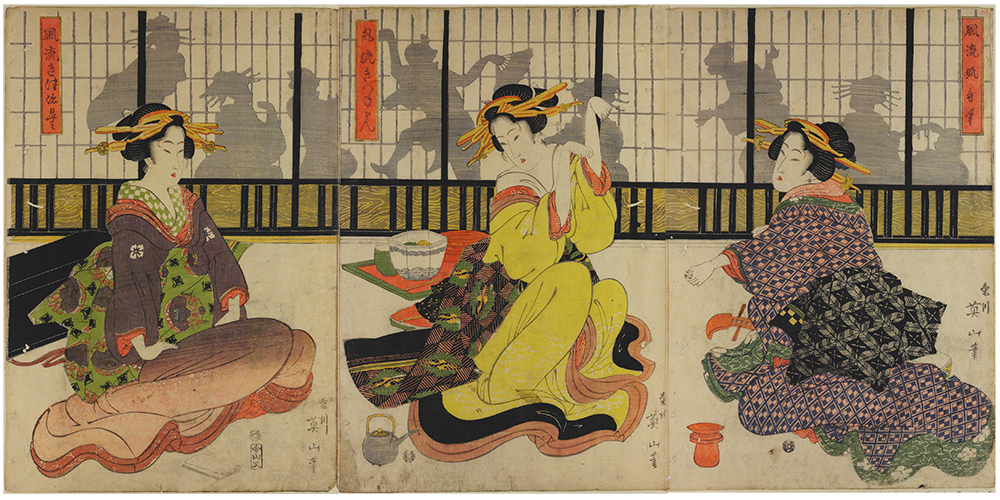
By the early 20th century, rock-paper-scissors had spread beyond Asia, especially through increased Japanese contact with the west. Its English-language name is taken from a translation of the names of the three Japanese hand-gestures for rock, paper and scissors.
The rest, as they say, is history. Since then, it has become incredibly popular especially in Japan, and you’d be hard pressed to find anybody who doesn’t know how to play. You could walk up to literally anyone on the street all over the entire country, invite him/her to a “duel”, and said person (male, female, young, or old alike) would be immediately ready to engage you in a quick game.
While a very simple game to learn and play, this being Planet Japan, however, there is a whole ritual that must be followed.
In case you’re not familiar with the unique Japanese approach, here’s a quick run-down for you:
Both players start by saying “Saisho (wa) guu” (最初はぐう) or “Starting with rock,” and holding out a closed fist, then raise their hand slightly, and follow with “janken pon!” simultaneously throwing out their move, whether it’s rock, paper, or scissors.
If there’s a tie (if both people choose the same move), they say “Aiko desho!” (相子), or “It seems like a tie!” and repeat the ritual (saisho guu, janken pon) in an almost trance-like rapid-fire succession until one player (finally) wins.
It’s not just for simple dinner-table decisions, however. Since anyone in Japan considers him/herself a master Janken player, it’s not just used for arbitrary social decisions, but can also be used to solve disputes or even for career-changing decisions.
The idol group AKB 48, for example, (in-)famously uses it to determine which of the young ladies would appear on the group’s next single.
In corporate Japan, it is often used in company outings to determine who gets to pay for the Beer. Most surprising, however, it even was once infamously used in an international multimillion dollar art deal to see which famous art house would be able to buy a collector’s extensive art collection (including works by Picasso and Van Gogh). Eventually, Christie’s International won the game by asking the 11-year-old twin daughters of the international director of Christie’s Impressionist and Modern Art Department for a strategy to win. The girls suggested “scissors” because “Everybody expects you to choose ‘rock’.” That strategy (surprisingly) worked, and the art house won the $20mill art deal. Talk about some expensive Janken!
As you can see, the game has such strong decision-making powers in Japan, that once a decision has been made through Janken, there’s no changing it, come hell or hight water!
The Janken fun doesn’t just stop there, however… This being Japan, of course there’s gotta be a Janken Robot, right? While it’s not quite up to the same level of baddass awesomeness as the widely famous Gundam Robots of anime fame, there is a very real Robot, developed at the University of Tokyo, which can beat humans in this most ancient of games every time, with 100% accuracy. Other than “it’s pretty badass”, and “just because we could”, you may be asking why the University developed this robot. Click HERE for more information and some interesting videos to see it in action.
Indubitably, Janken permeates every layer of society, and has become every bit as much a cultural heritage as Green Tea, Manga, Anime, and Godzilla. So, if you’re ever not sure how to make a decision in a any situation in Japan, as in which Gozilla movie you and your significant other should watch next, consult the magic decision-making powers of Janken, and you can never go wrong.
Leave a Reply