Kamagasaki, now officially renamed Airin-chiku, is a neighborhood in Osaka, Japan, with a complex and storied history. Once a thriving hub for day laborers during Japan’s post-war construction boom, it became synonymous with poverty, crime, and social marginalization. However, in recent years, Kamagasaki has undergone a remarkable transformation, evolving into a symbol of resilience and urban renewal. This article delves into the history, decline, and revival of Kamagasaki, highlighting its journey from a troubled past to a hopeful future.
The Rise and Fall of Kamagasaki
- Post-War Boom and Labor Hub:
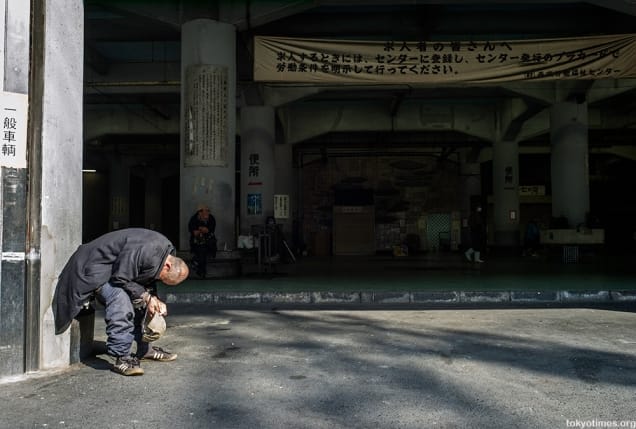
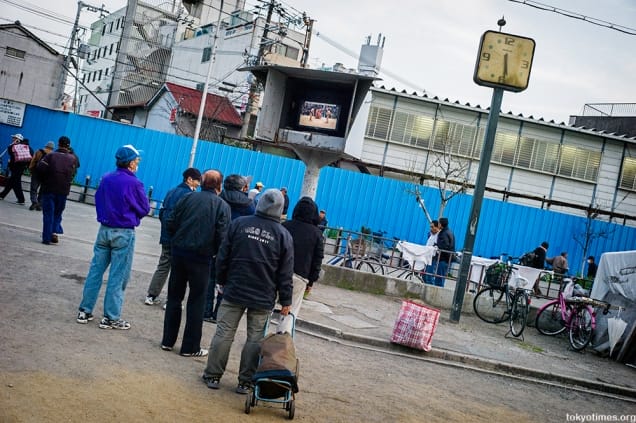
- In the mid-20th century, Kamagasaki was a vital center for Japan’s rapid industrialization and construction boom. Day laborers, many of whom were migrants from rural areas, flocked to the neighborhood in search of work.
- The area became a bustling labor market, with workers gathering daily to secure jobs in construction, manufacturing, and other industries.
- Economic Decline and Social Issues:
- As Japan’s economy shifted in the late 20th century, demand for manual labor declined, leaving many workers unemployed and stranded in Kamagasaki.
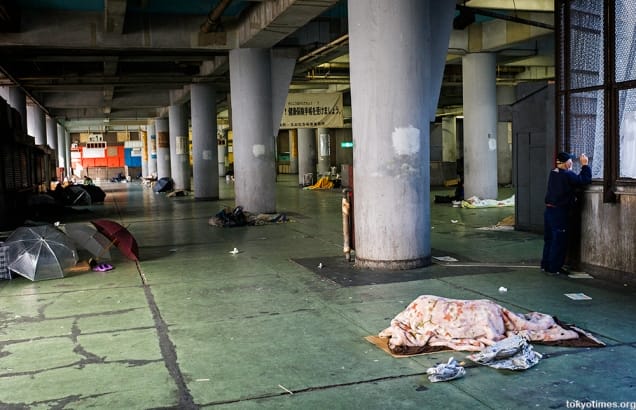
- The neighborhood became associated with poverty, homelessness, and crime. Gang activity and social marginalization further exacerbated its challenges.
- The area gained national attention during the 1990 Kamagasaki riots, sparked by tensions between laborers and police, highlighting the deep-seated issues of inequality and neglect.
- Stigma and Isolation:
- Kamagasaki became a symbol of Japan’s hidden poverty, often overlooked in the country’s narrative of economic success.
- The neighborhood’s reputation as a “no-go zone” led to social stigma, making it difficult for residents to escape the cycle of poverty and marginalization.
The Transformation of Kamagasaki
Urban Renewal and the Nishinari Special Zone Initiative:
In recent years, efforts to revitalize Kamagasaki have gained momentum. The Nishinari Special Zone Initiative, launched by the Osaka government, aims to address the area’s social and economic challenges while preserving its unique character.
Former lodging houses (doya) for day laborers have been repurposed into affordable guesthouses and hotels, attracting budget travelers and tourists.
Cultural Revival and Community Building:
Cultural spaces like the Kamagasaki University of Arts have emerged, offering educational programs, art exhibitions, and workshops. These initiatives foster creativity and provide opportunities for residents to engage with the broader community.
Local festivals and events celebrate the neighborhood’s history and diversity, challenging stereotypes and promoting a sense of pride among residents.
Tourism and Economic Opportunities:
Kamagasaki’s unique history and culture have drawn interest from tourists and researchers, creating new economic opportunities for the community.
The area’s transformation has also attracted social entrepreneurs and nonprofits, working to address issues like homelessness and unemployment.
Documenting Life in Kamagasaki
Videos and Media Representation:
Documentaries and videos about Kamagasaki have played a crucial role in shedding light on the neighborhood’s realities. These works capture the struggles and resilience of its residents, challenging stereotypes and fostering empathy.
By showcasing the diverse lives within Kamagasaki, these documentaries highlight the humanity of a community often reduced to statistics or sensationalized narratives.
Unseen Realities:
The videos reveal the daily lives of Kamagasaki’s residents, from day laborers seeking work to artists and activists working to transform the neighborhood.
They also document the challenges of homelessness, aging, and social exclusion, providing a nuanced perspective on the area’s complexities.
The Fight Against Social Stigmas
Kamagasaki’s transformation is not just about physical renewal but also about challenging the social stigmas that have long defined the neighborhood. Efforts to rebrand the area as Airin-chiku and promote its cultural and historical significance are part of a broader movement to redefine its identity.
Community Empowerment:
Local residents and organizations are at the forefront of Kamagasaki’s revival, advocating for policies that address poverty and inequality.
Initiatives like job training programs and support services aim to empower residents and break the cycle of marginalization.
National and Global Significance:
Kamagasaki’s story resonates beyond Osaka, offering lessons on urban renewal, social inclusion, and the power of community-driven change.
The neighborhood’s transformation serves as a reminder of the resilience of marginalized communities and the potential for renewal in even the most challenging circumstances.
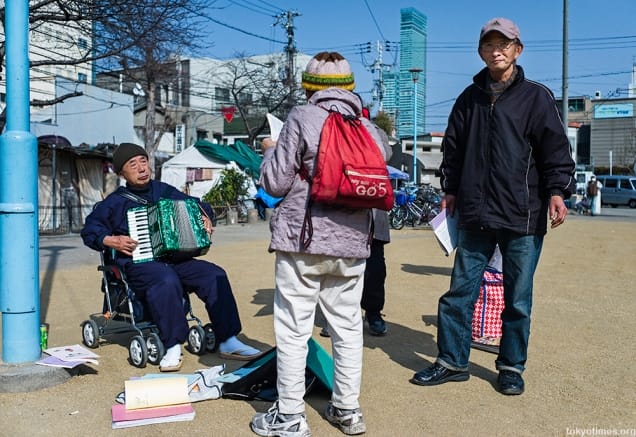
Kamagasaki’s journey from a troubled labor hub to a symbol of resilience and renewal is a testament to the power of community, creativity, and perseverance. While challenges remain, the neighborhood’s transformation offers hope and inspiration, demonstrating that even the most stigmatized areas can reinvent themselves. Through urban renewal, cultural revival, and the fight against social stigmas, Kamagasaki is writing a new chapter in its history—one defined by resilience, diversity, and the enduring spirit of its people.
Photo credit : tokyotimes.org
Leave a Reply