Researchers from all over the globe are always keen to learn more about radiation ever since it was first discovered and then employed as a nuclear weapon.
They’ve conducted a great deal of studies to discover the impact it has on living creatures. Throughout all these years, the focus was on animals for obvious reasons.
The world has seen major nuclear strikes, like the bombings of Hiroshima and Nagasaki in the Second World War, as well as the collapse of nuclear power stations. The impact of such events was so severe that some results still surface after this many years.
After the Tokaimura nuclear disaster in Japan, Many scientists gained direct experience with those affected by the massive blasts and radiation.
The story concerning Hisashi Ouchi, one of three workers at the Tokaimura nuclear power plant affected by the incident on the 30th of September 1999, has been highlighted as one of the most terrifying accounts of radiation exposure.
If you’ve been looking for the answers to what transpired to Hisashi Ouchi and the way his life turned out to be an endless saga for 83 days, which eventually led to his death, follow us as we go over everything regarding Hisashi Ouchi’s life in our piece in the following article.
Who was Hisashi Ouchi?
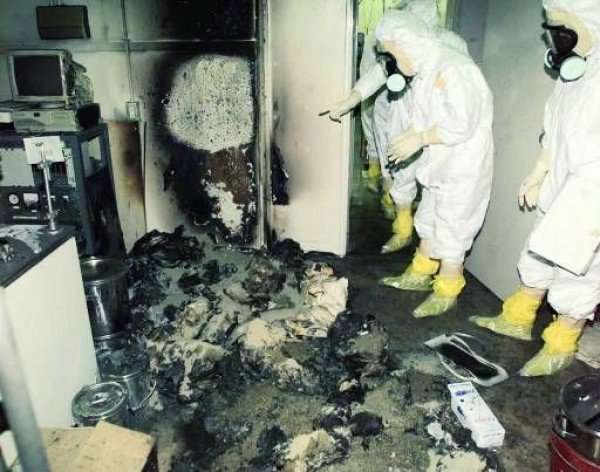
Hisashi Ouchi was working at the Tokaimura nuclear power plant in Japan as a lab technician and he became popular ever since the radiation accident took place in 1999.
He was admitted to a hospital for 83 days to receive treatment after being exposed to radiation. A book entitled “A Slow Death: 83 Days of Radiation Sickness” was also published narrating the ordeal that he went through after the incident.
35-year-old Hisashi Ouchi’s name is at times reported as ‘Hiroshi’. He was born in Ibaraki and has one sibling. He is married and the couple shares a young son together. He was very fond of rugby sport in his school days.
Hisashi Ouchi was employed with JCO Tokaimura Plant when the incident took place where he along with his colleagues were responsible for creating fuel for a fast reactor. The incident occurred because of this Joyo reactor. There is not much information available in the public domain pertaining to his education even though his job was very technical in nature.
There have been some unofficial reports published in local media that he and his colleagues, Masato Shinohara (39 years old) and Yutaka Yokokawa (54 years old) were “unqualified” for the job and the place where the incident took place.
What exactly happened to Hisashi Ouchi?
Hisashi Ouchi was exposed to more radiation than a human being ever experienced before when the accident occurred at the Tokaimura Nuclear power plant. He fought for life for 83 days and succumbed to death because of multi-organ failure.
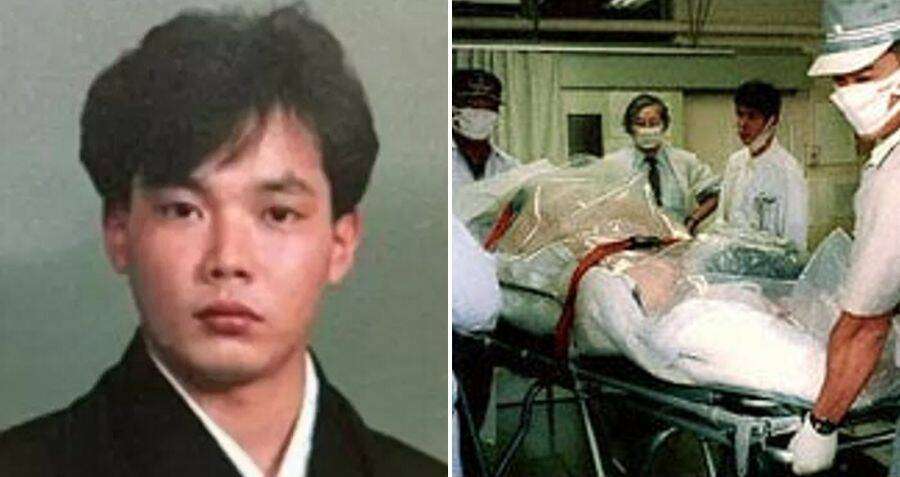
Hisashi Ouchi along with his colleagues was mixing a batch of fuel at the JCO nuclear fuel processing plant. His colleague Yokokawa was sitting at a desk that was 13 feet away from the stainless steel container.
The uranium and exothermic chemical reaction that occurred in the process of generating energy from it led to a big blast that impacted 114 people in the plant.
Out of these 110 people have received lower doses and were unscathed by the accident whereas Hisashi Ouchi and his colleagues received high doses of radiation which resulted in 2 deaths. (Masato and Hisashi)
Tokaimura Nuclear Incident
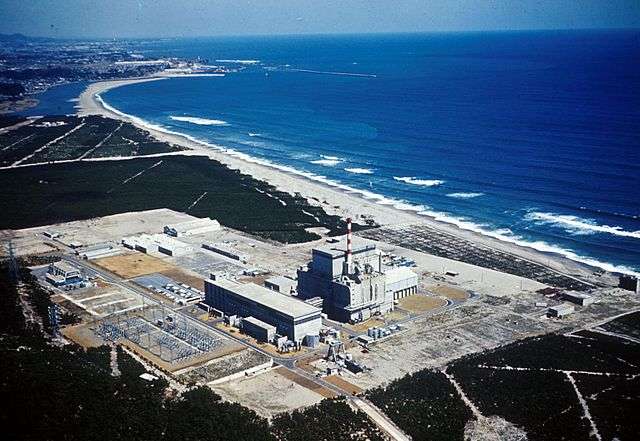
Tokai Nuclear Plant began its operations in 1988. The plant could process three tones of Uranium per year that were enriched to up to 20 percent U-235 and was slightly greater than that typically allowed.
Preparing nuclear fuel in this plant was deemed acceptable, which involved dissolving uranium powder with Nitric acid within a dissolution tank. After the process is completed, it transforms into a pure uranyl solution that is then moved to a storage column to mix.
This is later moved to a tank for precipitation. This last step led to Ouchi and his coworker Masato being afflicted by radiation the day before.
The tank for precipitation is enclosed by a jacket of water cooling to ensure that any energy generated through the chemical exothermic reaction is absorbed. What was wrong with this facility was that there was a significant failure in the entire procedure, and there were three key issues were the cause of this incident.
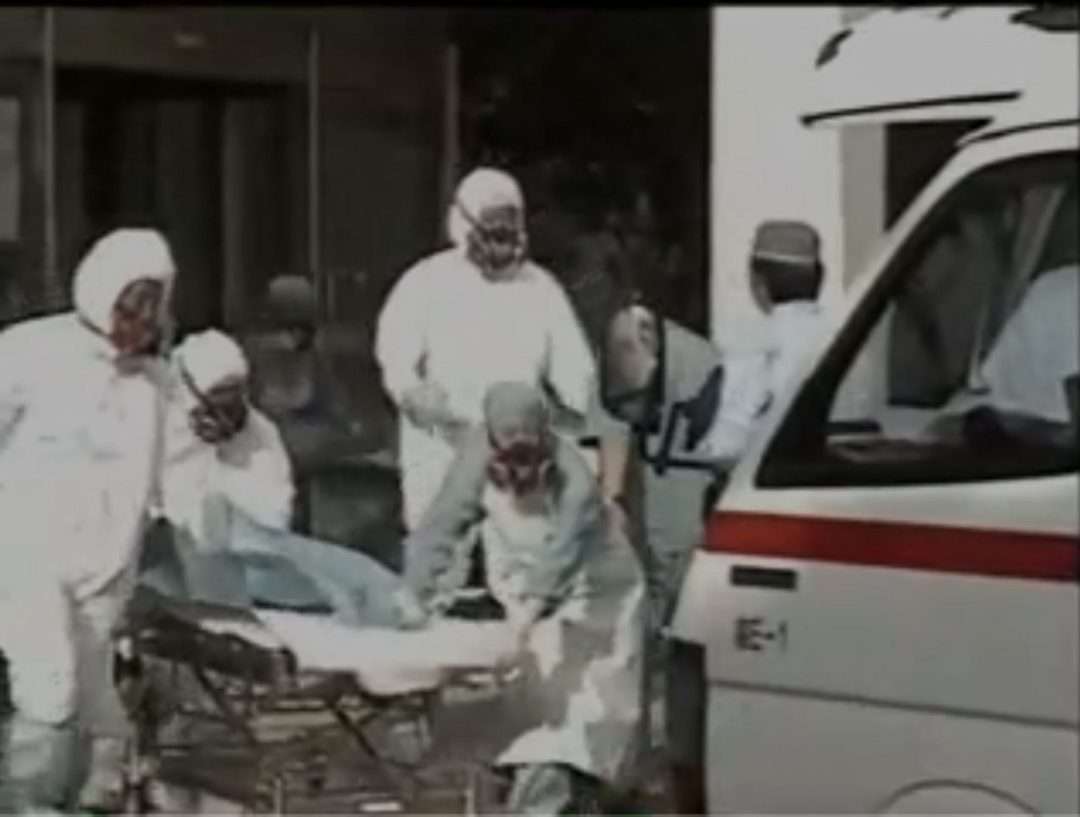
The firm had changed its operating procedures almost three years ago but had yet to seek permission from the regulators.
On top of that, workers directly dumped the solution into the tanks for precipitation, which is quite different than what’s allowed in the rules.
There needed to be appropriate checks and balances to control the quantity poured into the tank that holds 100 liters of precipitation. On the 30th of September, 1999, Shinohara began pouring a Uranyl Nitrate solution into the mixing tank with a bucket made of steel.
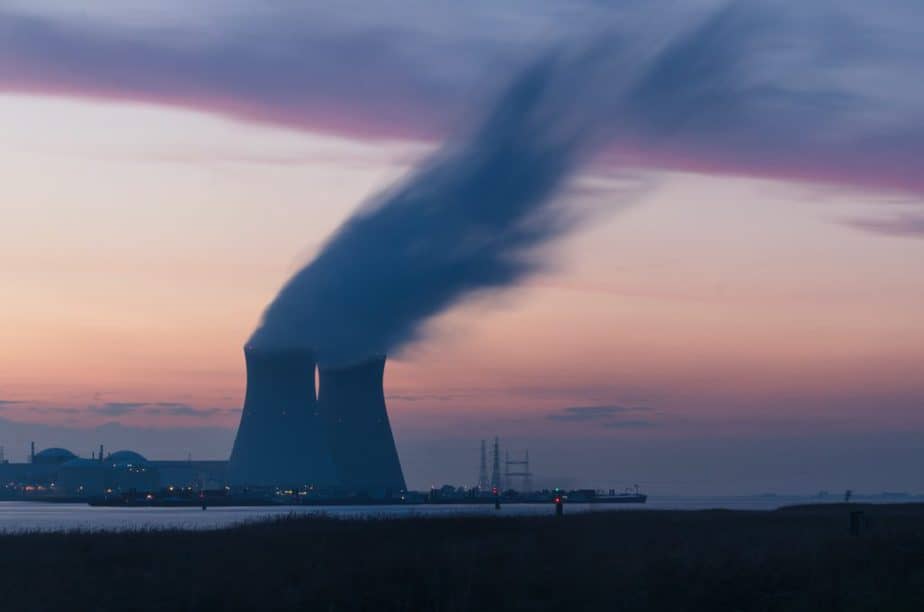
Yokokawa held the funnel in which Shinohara was pouring the liquid. Ultimately, Hisashi Ouchi took over the responsibility, and Yokokawa returned to his office.
The reaction happened within the mixing tank, which caused the exothermic reactions. The three people present could see the blue light flash and instantly realized something was wrong. They attempted to leave the scene immediately.
Hisashi Ouchi entered the adjacent changing room, where he vomited and fell unconscious.
83 days in the hospital
Hisashi Ouchi and two colleagues were admitted to the hospital in his hometown. Then, they were moved to the National Institute of Radiological Sciences before. Finally, Hisashi Ouchi was moved to the University of Tokyo Hospital.
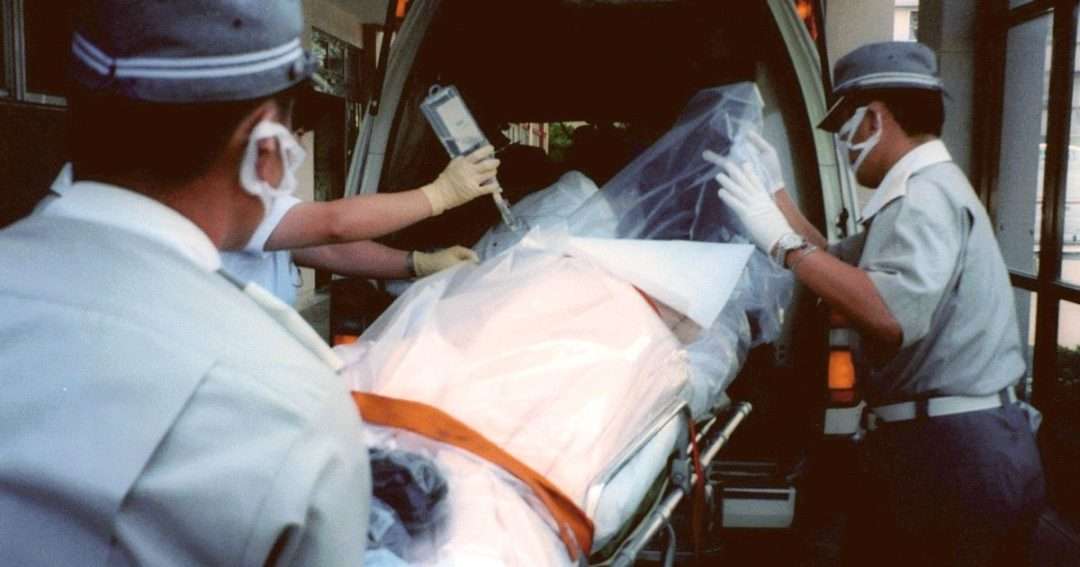
In the tragic accident, Hisashi Ouchi was directly in front of the container when the incident occurred, and he was the one to take in most of the radiation. The radiation completely damaged the structure of his body.
He was rushed immediately to Tokyo Hospital for treatment. The first few days, doctors noted that he appeared well. Even doctors were stunned.
Hisashi Ouchi’s condition began deteriorating, and he suffered for 83 days. Then, he died because of a multi-organ malfunction on the 21st of December 1999.
Leave a Reply