Few Japanese female warriors loomed as large as Tachibana Ginchiyo in Japanese history. A legendary onna-musha (female warrior), she is remembered for her unwavering courage, strategic acumen and leadership. As leader of the Tachibana clan, she was one of her people’s last defenses during the chaos of the Sengoku period.
Early Life and Ascension to Leadership
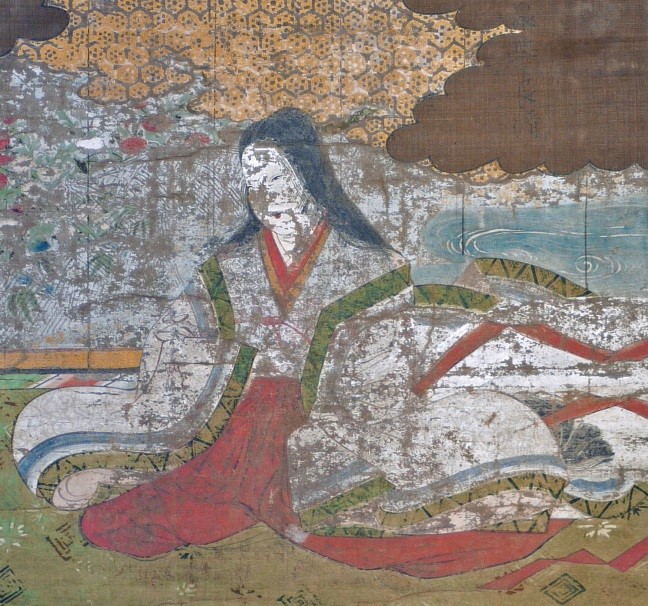
Born in 1569, Tachibana Ginchiyo belongs to the honorable Tachibana clan, an influential samurai family. Tachibana Dōsetsu, her father, was an illustrious warrior who also served the Ōtomo clan and gained quite the reference as a military man. Unlike most samurai households, where lineage followed a strictly patrilineal model, the Tachibana family had no male heirs.
Recognizing Ginchiyo’s intelligence and strong-willed nature, Dōsetsu named her as the heir to the clan, making her an unusual but formidable leader in an era where women rarely held such authority.
From a young age, Ginchiyo was trained in martial arts and military strategy. Under her father’s guidance, she mastered swordsmanship and the use of the naginata, a traditional pole weapon often wielded by female samurai. She also developed a deep understanding of tactics and battlefield command, which would later prove invaluable in defending her clan.
Commanding the Tachibana Clan
When her father died in 1585, Tachibana Ginchiyo, then 16, became the official head of the Tachibana clan. Her leadership was quickly tested during the Sengoku period, which was marked by near-constant conflict and shifting alliances among feudal lords. Rather than relying on alliances through marriage, Ginchiyo fortified her castle and prepared for possible attacks.
Don’t Miss: The Fascinating History and Ingenious Design of Japan’s Nightingale Floors
One of her first major actions as commander was to form a personal guard of female warriors. This all-female corps, supposedly armed with naginatas and guns, was unprecedented in samurai history, demonstrating her innovative approach to battle. Ginchiyo ensured that her warriors, both male and female, were well-trained and disciplined, making the Tachibana fortress one of the most formidable in Kyushu.
Marriage to Tachibana Muneshige and the Struggles for Power
Despite her success as a leader, Tachibana Ginchiyo was compelled to marry Tachibana Muneshige, a talented warrior who later became the clan’s formal leader. Though the marriage was intended to boost the Tachibana family’s political status, Ginchiyo and Muneshige had a complicated and frequently strained relationship.
Unlike many samurai wives who were expected to take a passive role, Ginchiyo refused to relinquish her influence. She remained active in military affairs, and there were even rumors that she openly criticized her husband’s decisions.
Muneshige fought as a prominent figure in a number of regional engagements during Toyotomi Hideyoshi’s Kyushu Campaign in the late 1580s. Though she had made a more formal transition into the clan’s military, Ginchiyo remained integral to the protection of family territory. When their castle came under siege by enemy troops, she allegedly personally oversaw troops, bolstering the fortifications and ensuring their survival.
Battle of Sekigahara and Later Years
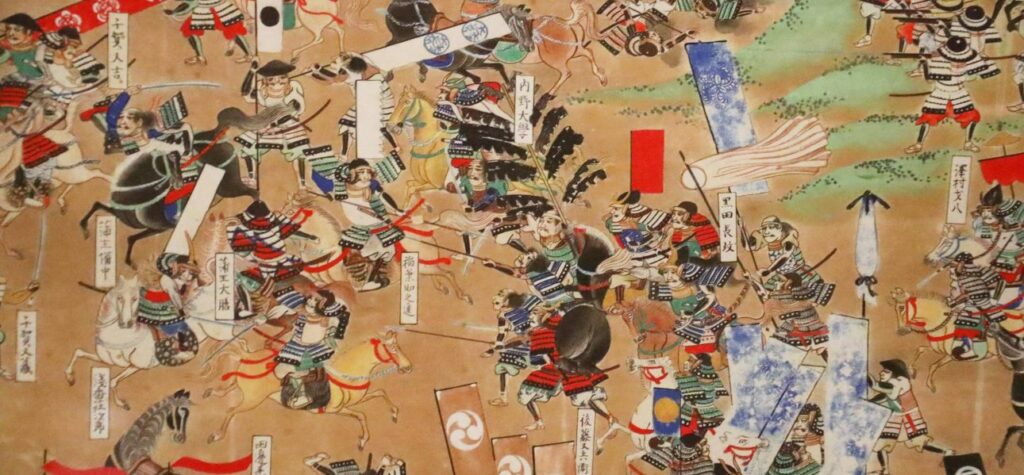
One of the most pivotal moments in Tachibana Ginchiyo’s life occurred at the Battle of Sekigahara in 1600, the decisive battle that would shape the future of Japan. Muneshige joined the forces opposing Tokugawa Ieyasu — the Western Army led by Ishida Mitsunari. But the Western Army was defeated, and Muneshige exiled. The Tachibana family lost most of its power, and Ginchiyo suddenly found herself powerless and out of position.
Many displaced samurai women went into the quiet life in the shadows, but Tachibana Ginchiyo refused to live but with pride and dignity. Historical accounts say that, after Muneshige’s defeat, she declined to live under his protection, but chose to live on her own — a sentiment almost unheard of at the time for a woman of her status. According to legend, she retreated from the worldly life in her later years, but still continued to unleash her warrior zeal, although now toward the cultivation of her spirit instead of human beings.
Legacy of Tachibana Ginchiyo
Tachibana Ginchiyo’s legacy remains strong in modern times, particularly in historical accounts and popular culture. Her remarkable story has been depicted in novels, television dramas, and video games, where she is often portrayed as a fierce and independent warrior who defied societal expectations.
While many onna-musha warriors existed throughout Japan’s history, Tachibana Ginchiyo is unique in that she was officially recognized as the head of a samurai clan—a position rarely granted to women. Her leadership, strategic mind, and refusal to conform to traditional gender roles make her a symbol of empowerment and resilience. Today, her name stands alongside other legendary female warriors such as Tomoe Gozen and Nakano Takeko, proving that women, too, played crucial roles in shaping Japan’s samurai history. Her story continues to inspire modern audiences, showing that courage and determination can break through the strictest of societal boundaries.
Tachibana Ginchiyo was a warrior, leader, strategist, and defiance against societal expectations. At a young age, she defended her clan against powerful enemies. Despite losing her official position, she maintained her dignity and independence, leaving a legacy of strength and courage. Her story demonstrates that the spirit of samurai was not limited by gender, standing as a beacon of female strength.
Read More: 30 Stunning Japanese Actresses: Beauty, Talent, and Fame
Leave a Reply