Japan’s Blood Type Personalities
In many parts of the world, blood type is treated strictly as medical information—useful for emergencies, transfusions, or understanding basic health risks. But in Japan, it holds a much deeper meaning. Known locally as Ketsuekigata, the idea that your blood type shapes your personality is a long-standing belief that continues to influence Japanese life in surprising ways. From dating decisions to hiring choices and even pop culture portrayals, Japan’s blood type personalities are woven into the cultural fabric.
While there is no scientific evidence proving that blood type affects temperament or character, millions of Japanese citizens consider the theory both entertaining and accurate. For many, it serves as a framework to understand themselves and others—a kind of personality quiz endorsed by tradition and pop media. So what exactly do people believe about this system, and why has it endured for so long?
The Origins of Ketsuekigata Belief
The fascination with Japan’s blood type personalities began in the early 20th century when academic Takeji Furukawa published a paper in 1927 suggesting a link between blood type and temperament. Though initially dismissed by the scientific community, the theory saw a resurgence in the 1970s, thanks to Masahiko Nomi, a journalist and broadcaster who wrote a best-selling book on the subject. His son continued his legacy, publishing compatibility guides and personality breakdowns based on blood types.
Since then, the concept of Ketsuekigata has thrived in Japanese pop culture. Today, it is not unusual for people to ask your blood type as casually as your zodiac sign. In fact, many people include their blood type on dating profiles, social media bios, and even resumes—sometimes voluntarily, sometimes because employers or fans are genuinely curious. Despite criticism from scientists who label it pseudoscience, the belief persists, much like astrology does in the West. For believers, Japan’s blood type personalities offer more than prediction—they offer a shared language of understanding.
The Four Blood Types and What They Mean
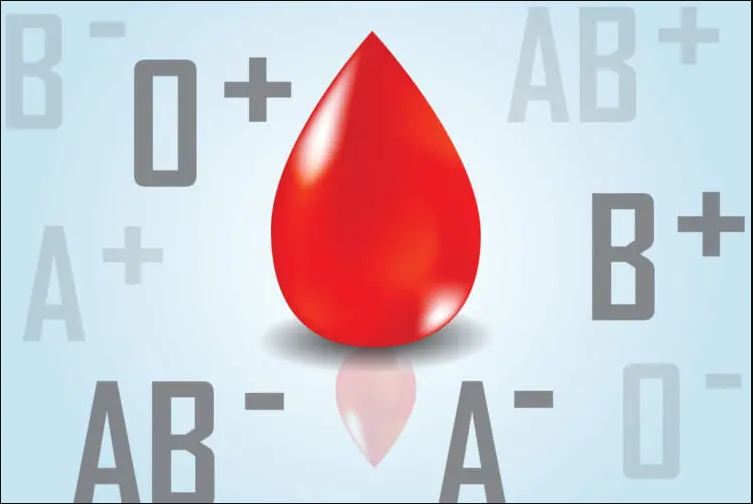
At the heart of Japan’s blood type personalities are the four main blood types: A, B, AB, and O. Each one is thought to represent a distinct personality archetype with strengths, weaknesses, and tendencies.
Type A individuals are considered calm, cautious, and responsible. They are thought to be perfectionists who value harmony and order. While Type A people may seem quiet or reserved, they are also known for being dependable and hardworking. In social settings, they are often admired for their politeness and attention to detail.
Type B is associated with creativity, independence, and passion. People with this blood type are thought to be free spirits who dislike following the crowd. While they can be charming and lively, they are also sometimes criticized for being self-centered or inconsistent. In fiction, Type B characters are often portrayed as rebels or artists.
Type AB is seen as the rarest and most mysterious type. These individuals are believed to possess both rationality and emotional depth. They are often described as eccentric, intellectual, and hard to read. Because of their “dual nature,” AB types are often misunderstood but admired for their versatility.
Type O personalities are seen as confident, ambitious, and natural-born leaders. They are optimistic, outgoing, and adaptable but can also be seen as arrogant or overly competitive. In Japanese media, Type O is often portrayed as the “hero” or the charismatic protagonist.
These generalizations are deeply rooted in modern Japan. While not everyone believes in them wholeheartedly, references to Japan’s blood type personalities are common in everything from TV dramas to matchmaking apps.
Influence on Relationships, Work, and Pop Culture
One of the most intriguing parts of Japan’s blood type personalities is how they influence relationships. Just as many people in the West consider zodiac compatibility before dating, many Japanese people consider how blood types match. For example, Type A and Type AB are thought to have strong mental and emotional compatibility, while Type B and Type O may clash due to different communication styles. Some dating services in Japan even offer matchmaking based on blood type, with entire sections of dating sites dedicated to finding your ideal match through Ketsuekigata.
Couples sometimes laugh over their differences, joking about how their “blood” causes small conflicts or chemistry. In the workplace, blood type can also play a subtle role. However, it’s technically illegal to discriminate based on blood type, some companies have been known to ask applicants for this information during hiring processes. Managers might use blood type theory to assign team roles or mediate conflicts. Type A might be assigned administrative work due to their organizational skills, while Type O could be placed in leadership roles.
Japanese entertainment heavily draws from Japan’s blood type personalities. Many anime characters have their blood types listed in official bios, and fans often speculate on a character’s type based on behavior. Idol groups and actors also share their types with fans, who in turn discuss how it aligns with their public persona. Even brands have jumped on the trend. Some cosmetic and wellness companies design products around blood type, promoting items that supposedly align with specific traits or needs.
The Debate: Tradition or Stereotype?
Despite the widespread appeal of Japan’s blood type personalities, the belief system is not without its critics. Scientists and psychologists argue that there is no credible evidence to support a link between blood type and personality. Studies have consistently shown no meaningful correlation, and many health professionals warn that clinging to the theory could reinforce stereotypes.
In recent years, concerns about bura-hara, or blood-type harassment, have grown. It actually means to treat someone unfairly based on their blood type. For example, someone with Type B may be unfairly labeled as lazy or selfish, affecting job opportunities or social standing. However, others defend the practice, viewing it as a harmless cultural quirk. For most people in Japan, the blood type theory is more of a personality lens than a rule.
It’s used to explain behavior, spark conversation, and explore identity—not to box people in. Interestingly, younger generations are slightly less attached to the theory than their parents or grandparents, but it remains a fun, lighthearted way for many to connect with others. Like astrology, the enjoyment lies not in scientific accuracy but in shared curiosity and cultural relevance.
Ketsuekigata and Japanese Culture
Japan’s blood type personalities serve a unique function in a good society that values peace, harmony, and group understanding. They allow people to explain themselves and others in ways that are culturally accepted, entertaining, and sometimes surprisingly insightful. Whether or not the theory holds scientific weight, its influence on Japanese identity is undeniable.
From first dates to fictional characters, blood type still matters in Japan—not just as a biological fact but as a storytelling tool. Ketsuekigata remains a fascinating cultural phenomenon, helping people connect through a simple question: “What’s your blood type?”
Read More: The Unique Watermelon Culture of Japan: From Square Melons to Luxury Fruits
Leave a Reply