When you think of Kit Kat, the first thing that likely comes to mind is the classic red-wrapped chocolate wafer bar. But in Japan, Kit Kat isn’t just a snack—it’s a cultural phenomenon. With hundreds of unique flavors ranging from matcha to sake, Japan has turned this familiar treat into an artisanal experience. But nothing turned heads quite like the gold Kit Kat Japan launched as a limited-edition luxury item.
In 2015, Nestlé Japan made headlines around the world by releasing a rare and lavish version of its iconic chocolate: a gold Kit Kat, delicately coated with edible gold leaf. Sold exclusively at a premium Kit Kat Chocolatory store in Tokyo, this glittering treat was not only a symbol of innovation but also of opulence. Limited to just 500 bars, each piece was priced at around $16, making it one of the most expensive Kit Kats ever made.
Why Gold? The Cultural Significance
To fully understand the success of the gold Kit Kat Japan, one is assisted by the study of Japanese culture. Gold has, for centuries, represented richness, purity, and good fortune. In Japan, it’s customary to give gifts with thought and care, particularly on holidays and other special occasions. Launching the gold Kit Kat around the time of Christmas was a great luxury gift for that special someone.
Nestlé Japan capitalized on this tradition by merging the cozy familiarity of Kit Kat with the urbane sophistication of gold leaf. Edible gold is commonly added to upscale Japanese cuisine to infuse the meal with luxury, whether it is sprinkled atop sushi, mochi, or sake. By adding gold to a familiar everyday treat, Nestlé ingeniously turned a mundane snack into a collector’s item.
The Story Behind Kit Kat’s Popularity in Japan
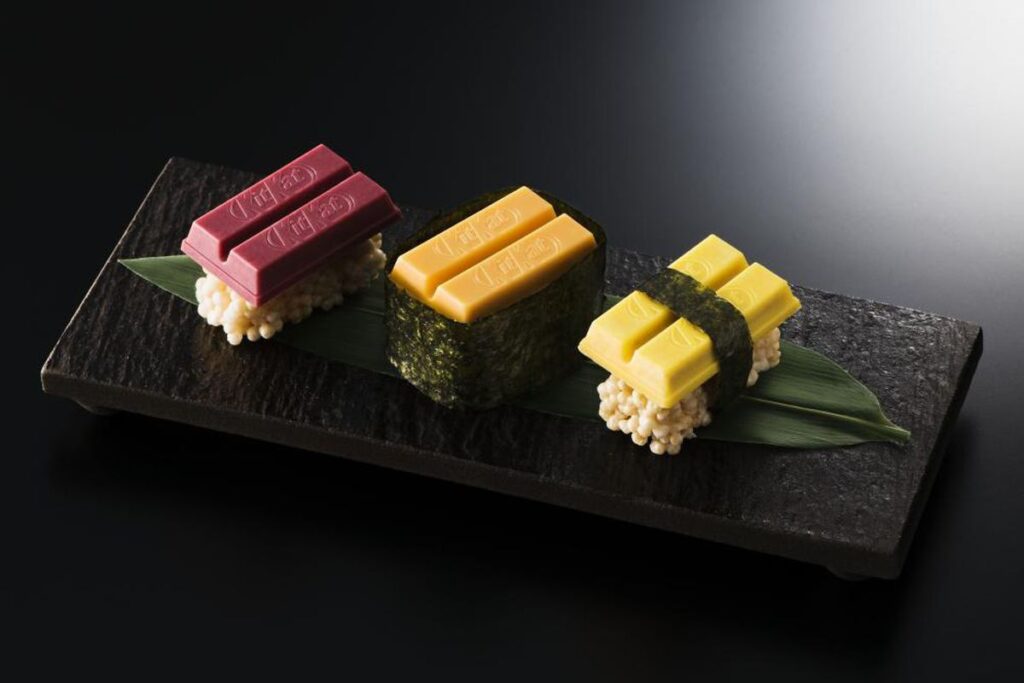
Before we delve more into the gold Kit Kat Japan, it’s fun to know why Kit Kat is such a big success there. Kit Kat’s Japanese name, “Kitto Katto,” closely resembles the Japanese words “kitto katsu,” which means “surely win.” This chance resemblance has made Kit Kats a leading good-luck gift, especially to students before they take their examinations.
Nestlé Japan has fully embraced this cultural tie-in over the years. They’ve launched hundreds of local and seasonal Kit Kat flavors, many limited to specific prefectures. Japanese Kit Kats run the gamut from Okinawan sweet potato to Shizuokan wasabi and are edible souvenirs and symbols of local pride. It was within this framework that gold Kit Kat Japan was such an obvious development—a luxurious but sensible twist on a pre-existing emotionally invested product.
What Made the Gold Kit Kat Unique?
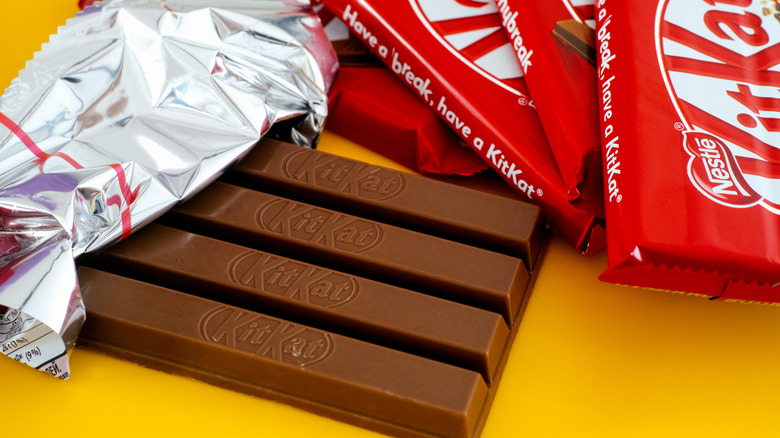
Along with the edible gold, the Japan gold Kit Kat was also launched utilizing the upscale Sublime Bitter flavor developed under the leadership of renowned Japanese pastry chef Yasumasa Takagi. Renowned for its refined way of treating chocolate, Takagi played a pivotal role in conceptualizing the Chocolatory series of high-end Kit Kats sold in Japan.
The product itself was marketed as exclusive, and each bar was presented in opulent packaging. Each bar was a gift in and of itself, one that hovered between being candy and a collectible, thanks to the exquisite details, which included the golden wrapper and the upscale box.
Marketing Genius: Scarcity and Luxury
From a marketing standpoint, the launch of the gold Kit Kat in Japan was brilliant. By limiting production to 500 pieces, Nestlé created a sense of urgency and exclusivity. People queued at the Kit Kat Chocolatory store in Tokyo’s Ginza district with the hope of snagging one of the limited bars before they sold out. Some resold these online at much higher prices, evidence of the product’s popularity.
This action took advantage of two powerful psychological drivers: scarcity and status. In a culture that respects craft and presentation, to own a gold Kit Kat Japan was to own a piece of edible art.
The Role of the Kit Kat Chocolatery
The Chocolatory concept is central to understanding how something like the gold Kit Kat Japan came to be. In contrast to the standard Kit Kats found in supermarkets, the Chocolatory shops are upscale retail stores where customers can sample premium flavors, watch live demonstrations, and even design their bars.
The stores, which opened in 2014, are a continuation of Nestlé’s effort to reposition Kit Kat as a luxury treat from a mass-market confectionery. By introducing limited-edition offerings like the gold Kit Kat, Nestlé was successful in broadening the brand’s appeal to not just teenagers and students but foodies, tourists, and luxury shoppers.
International Attention and Cultural Impact
Gold Kit Kat Japan wasn’t merely splashing across the nation—it had also gotten the attention of global media outlets. International news channels, food blogs, and travel writers covered the product, keeping it in the spotlight. The world was fascinated with the golden chocolate bar and how and why it came to be, culturally. This global enthusiasm also helped highlight Japan’s wider confectionary culture, famous for its cleverness, precision, and élan. To visitors, the gold Kit Kat was a dead-set must-have souvenir, even if only for a photo and a story.
A Trend That Sparked Imitations
The success of the gold Kit Kat Japan could have followed through in the confectionery industry. Edible gold, high-end chocolates, and limited-release items have been very trendy because brands understand the value of creating buzz-worthy, Instagram-worthy products. Nestlé has also kept up the innovative spirit with its Kit Kat brand, introducing ruby chocolate, sake-flavored bars, and even plant-based varieties. But the gold edition remains one of its most legendary and hyped launches.
Can You Still Buy One?
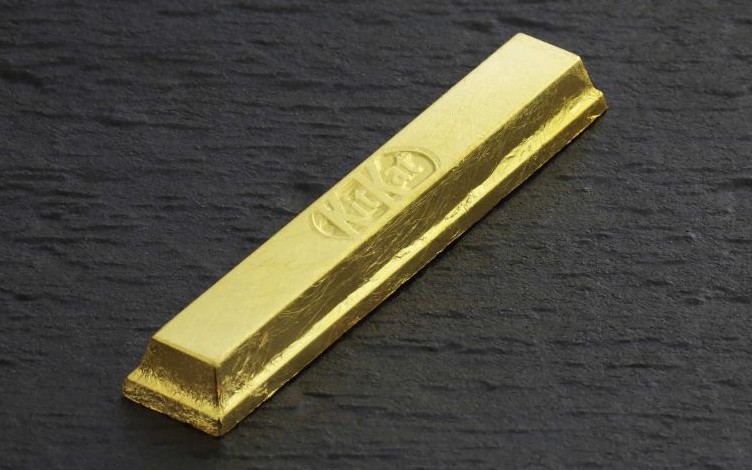
Given that only 500 gold Kit Kat were produced, getting your hands on one today is nearly impossible. Some bars occasionally appear on collector sites or in auctions, but they’re usually priced well above their original $16 tag. That said, Japan still offers countless unique Kit Kat flavors that are far more accessible—and just as intriguing. If you find yourself in Japan, visiting a Kit Kat Chocolatory is a must. Even if the gold Kit Kat Japan is long gone, the spirit of innovation and luxury is still very much alive in the Chocolatory experience.
The history of Japan’s gold Kit Kat is more than an account of fine chocolate. It’s a representation of how food, culture, language, and brand can all come together to create something so wonderfully magical. By transforming an average candy bar into a shining beacon of accomplishment and celebration, Nestlé didn’t just sell chocolate—they sold a moment, an emotion, a memory.
For any foodie and culture buff, the golden Kit Kat is a beaming embodiment of what happens when convention meets creativity. Even years on, since it was launched, it remains a golden page in the book of high-end sweets.
Read More: Man in China Become Fluent in Japanese After Watching Over 4000 JAVS
Leave a Reply