In the world of sumo wrestling, Yokozuna is the ultimate title. It’s the highest rank a sumo wrestler can achieve, representing not just strength and skill but also dignity and honor.
The term “Yokozuna” means “horizontal rope,” referring to the thick ceremonial rope worn around the waist during rituals. This rope is a powerful symbol of the wrestler’s status and the deep cultural significance of sumo in Japan. Becoming the elite is a rare and prestigious honor, reserved for those who embody the very best of the sport. It’s a dream that drives countless young wrestlers, but only a handful will ever see it come true.
How to Become a Yokozuna
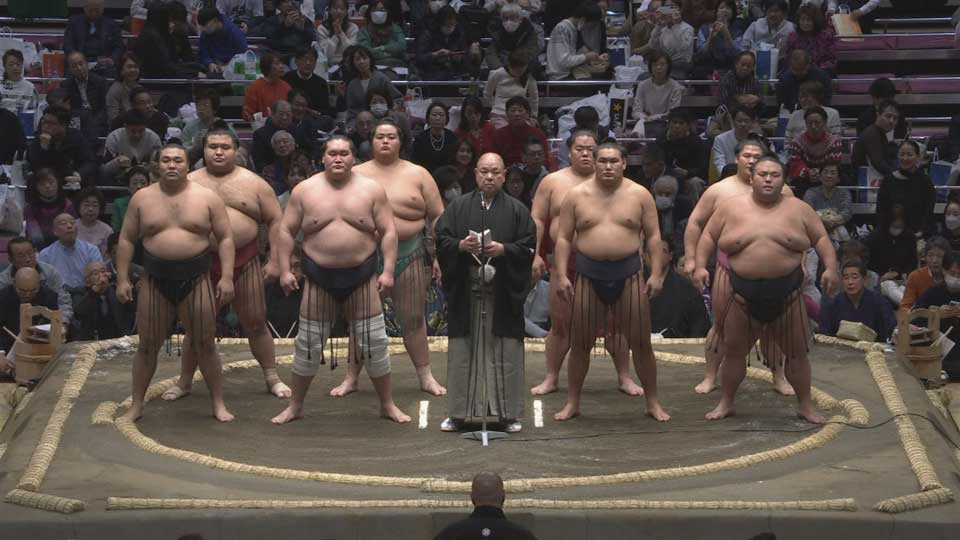
Reaching the rank of Yokozuna is no small feat. Wrestlers must first achieve the second-highest rank, Ōzeki, and then win two consecutive grand sumo tournaments (basho). But winning alone isn’t enough— candidates must also demonstrate exceptional skill, consistency, and a sense of dignity both in and out of the ring. The Japan Sumo Association carefully evaluates each candidate, ensuring they meet the high standards expected from the elite. It’s a title earned through years of relentless hard work, discipline, and excellence.
The journey to Yokozuna is grueling. Sumo wrestlers, or rikishi, begin their careers in their teens, often leaving their families to live and train in sumo stables (heya). Their daily lives are governed by strict routines, from predawn training sessions to adhering to traditional diets designed to build their massive physiques. The physical and mental demands are immense, and only those with unwavering dedication and resilience can hope to rise through the ranks.
Yokozuna in Culture
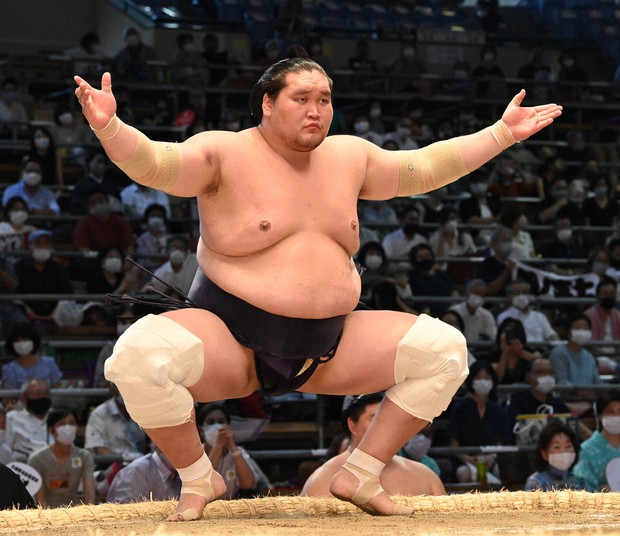
Yokozuna are more than just athletes; they are the public face of sumo wrestling. They represent the sport’s traditions and values, often participating in ceremonial duties and cultural events. Unlike other ranks, they cannot be demoted, but they are expected to retire if their performance declines. This expectation reflects the immense responsibility that comes with the title. Interestingly, multiple wrestlers can hold the rank at the same time, though this is rare. The rank is as much about character as it is about strength, making it a true symbol of sumo’s spirit.
History of Yokozuna
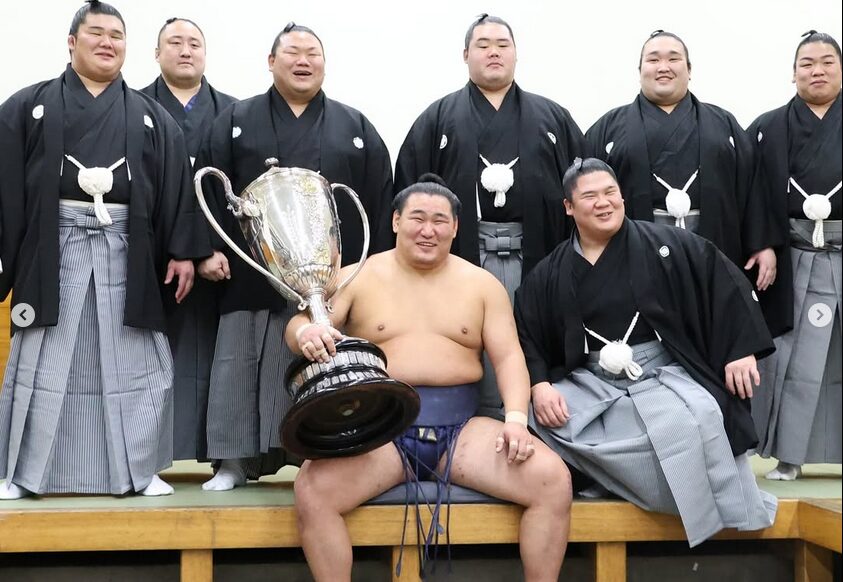
The title of Yokozuna dates back centuries, but the first official list was compiled by Jinmaku Kyūgorō in 1900. Since 1951, the Japan Sumo Association has overseen all promotions to the rank. One of the most legendary is Hakuhō, who held the title from 2007 to 2021. During his reign, he set numerous records, including the most tournament wins in sumo history. His legacy is a testament to the skill and dedication required to become—and remain—a Yokozuna.
Notable Yokozuna
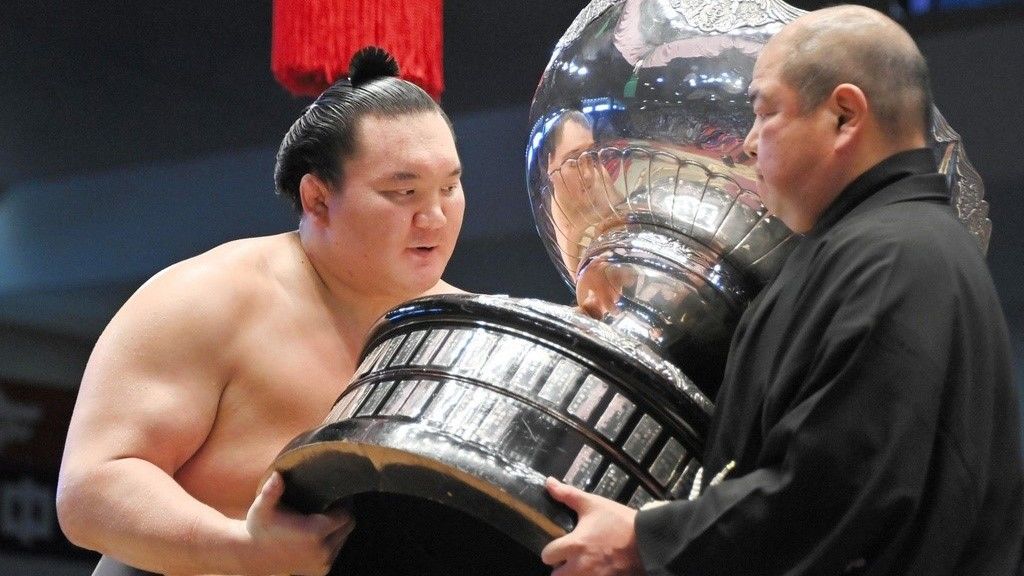
Over the years, only a select few have achieved the rank of Yokozuna. Here are some of the most notable names:
- Hakuhō (2007-2021): The most dominant Yokozuna in history, with a record 45 tournament wins.
- Taihō (1961-1971): A legendary figure who won 32 tournaments and became a national hero.
- Chiyonofuji (1981-1991): Known as the “Wolf” for his fierce style, he won 31 tournaments.
- Asashōryū (2003-2010): The first Mongolian Yokozuna, known for his explosive power.
- Kitanoumi (1974-1985): Held the record for most wins (24) before Taihō and Hakuhō.
These wrestlers, along with others on the list, have left an indelible mark on sumo history. Each brings their own unique style and personality to the ring, but all share the same commitment to excellence.
The Heart of Sumo
The rank of Yokozuna is the heart and soul of sumo wrestling. It represents the pinnacle of achievement, blending physical prowess with cultural significance. For those who earn the title, it’s not just a rank—it’s a lifelong commitment to excellence and tradition. As the rope around their waist symbolizes, Yokozuna carry the weight of sumo’s history and future. Would you have what it takes to bear such a responsibility?
Leave a Reply