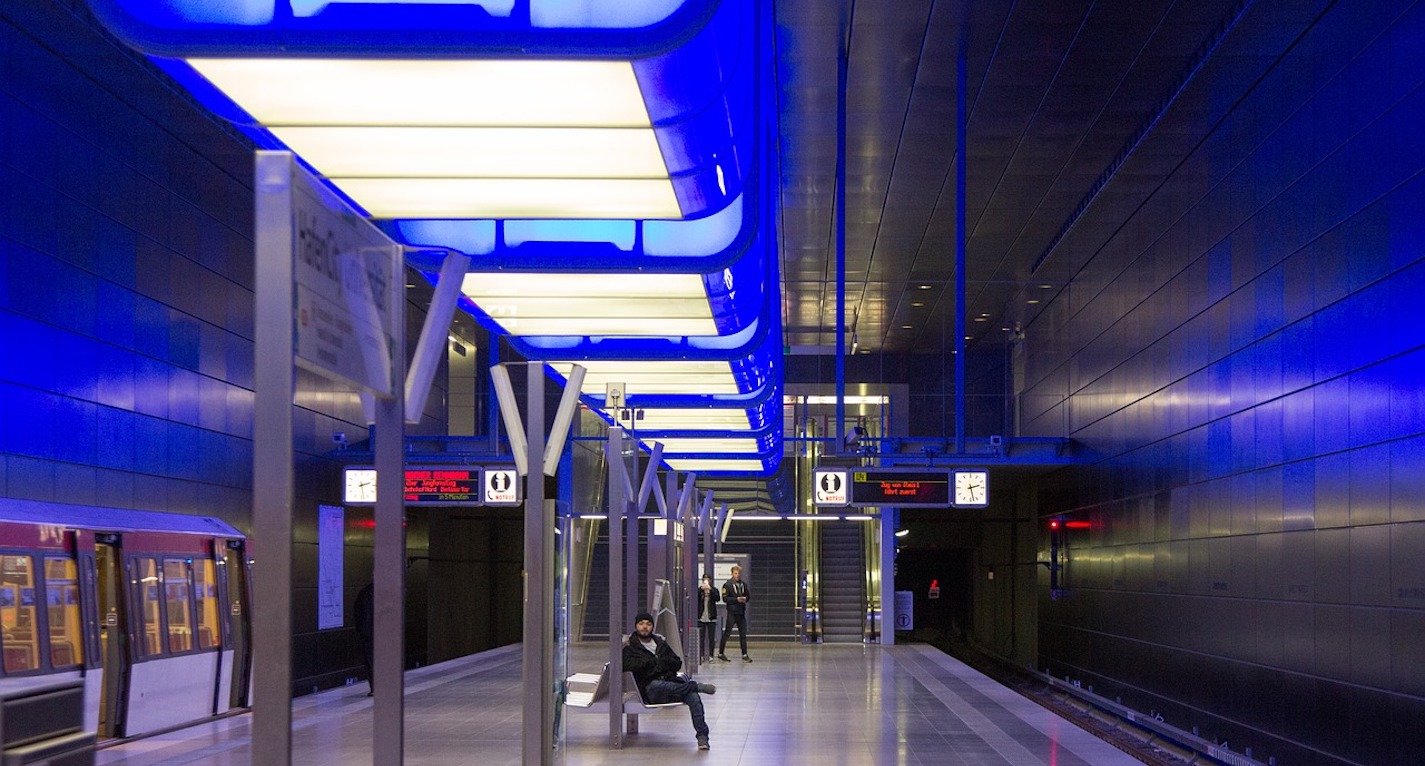
At the end of a train platform in Tokyo, a soft blue light glows. It’s not for decoration or to light the way—it’s there to save lives. These blue LED lights, first installed in 2009 on Tokyo’s Yamanote train line, are part of the city’s unique efforts to reduce its high suicide rate. While the rate is declining, suicide remains a serious issue in Japan, with Tokyo being one of the most affected areas.
Why Blue Lights?
The blue lights were introduced as a simple yet innovative solution to prevent people from jumping in front of trains. Studies have shown that blue light has a calming effect on the mind, reducing stress and improving mood. Researchers believe this helps deter impulsive decisions. A 2013 study even found an 84% decrease in suicides at stations with these lights.
But why trains? In Japan, trains are a common method for suicide, partly because of their accessibility and the cultural significance of trains in daily life. The blue lights are a small but meaningful step to address this tragic issue.
The Bigger Picture: Suicide in Tokyo
Suicide is a major problem in Tokyo, claiming more lives than natural disasters or traffic accidents. In 2013, over 2,800 people took their own lives in Tokyo alone. Nationwide, the number was over 27,000. The reasons are complex, ranging from health issues (both physical and mental) to financial struggles, loneliness, and societal pressure.
Tokyo’s fast-paced, high-stress lifestyle doesn’t help. Long commutes, overcrowded trains, and a lack of social support systems contribute to the problem. Many people live alone, disconnected from family and friends, and mental health awareness remains low.
A Cultural Challenge
In Japan, suicide has historically been seen as an honorable act in certain contexts, such as taking responsibility for failure or showing loyalty. While this view is fading, it still lingers in some parts of society. Changing these deep-rooted attitudes is one of the biggest challenges in suicide prevention.

What’s Being Done?
The Japanese government has taken steps to address the issue. In 2006, the Basic Act on Suicide Countermeasures was passed, marking the start of a national effort to reduce suicides. Since then, the suicide rate has dropped, but it’s still higher than in many other countries.
Efforts include:
- Blue LED lights on train platforms.
- Barriers and automatic gates to block access to tracks.
- Hotlines like “Inochi no Denwa” for counseling, though they are often underfunded and overwhelmed.
- Online monitoring by police to identify at-risk individuals on suicide forums.
A Long Road Ahead
While progress is being made, there’s still much to do. Suicide prevention requires not just physical measures like barriers and lights, but also a shift in cultural attitudes and better mental health support. Tokyo’s blue lights are a symbol of hope, but they’re just one piece of a much larger puzzle.
The fight against suicide is far from over, but every small step—like a blue light at the end of a platform—can make a difference. It’s a reminder that even in the darkest moments, there’s always a glimmer of hope.
Leave a Reply