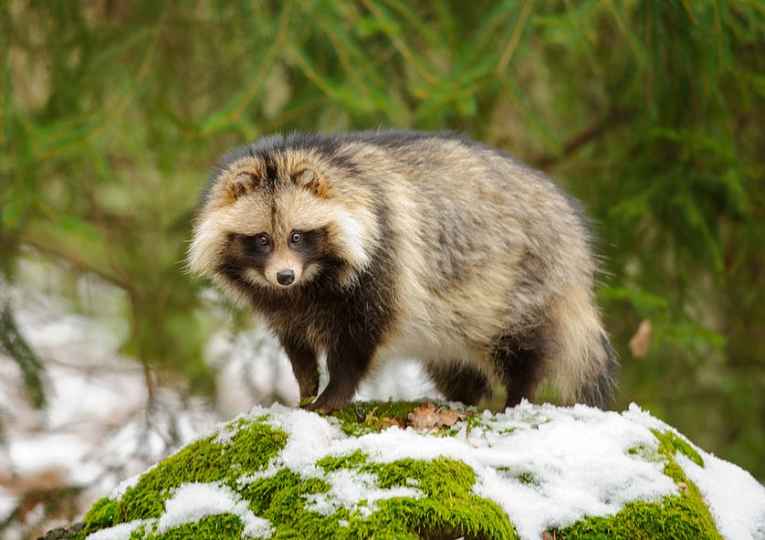
From the series of cute and fascinating animals in Japan, the Tanuki (also known as the raccoon dog or Nyctereutes procyonoides) stands out as a unique creature. While it may seem strange or unfamiliar to the rest of the world, the Tanuki holds a special place in Japanese culture, folklore, and even modern pop culture. Let’s dive into the world of the Tanuki and discover its significance in Japan.
The Tanuki in Japanese Culture and Folklore
The Tanuki has deep roots in Japanese tradition and is a beloved protagonist in countless folklore legends. Often depicted as a shape-shifting spirit (yokai), the Tanuki is said to possess magical abilities, including the power to transform into humans or objects. These mischievous yet endearing creatures are known for their playful nature and their role in teaching moral lessons through their antics.
In many traditional illustrations and stories, the Tanuki is portrayed with exaggerated features, most notably its large testicles, which are humorously depicted as tools for various tasks, such as using them as drums or even as makeshift parachutes. This whimsical imagery is a testament to the Tanuki’s role as a symbol of humor, luck, and prosperity in Japanese culture.

The Tanuki has also made its mark in modern media, including video games and films. For example, in the popular game Super Mario Bros. 3, the Tanuki suit grants Mario the ability to transform into a statue and fly, showcasing the creature’s magical traits. Additionally, Tanuki characters frequently appear in Japanese films and animations, further cementing their place in contemporary culture.
Tanuki Statues: Symbols of Good Fortune
If you’ve ever visited Japan, you may have noticed Tanuki statues prominently displayed in front of stores, restaurants, and homes. These statues are more than just decorative—they carry deep symbolic meanings:
- The large belly represents calmness and the ability to make wise decisions.
- The sake bottle held in one paw symbolizes virtue and enjoyment of life.
- The promissory note in the other paw represents trust and financial prosperity.
- The large tail signifies strength and stability.
- The oversized testicles are a humorous nod to good luck and fertility.
- The wide, rounded eyes reflect the ability to judge situations clearly.
- The protective turtle-shell helmet symbolizes safety and resilience.
These statues are believed to bring good fortune and success to businesses, making them a common sight across Japan.

Tanuki in Nature and as Pets
In the wild, Tanuki are found primarily in northern Japan and other parts of East Asia. They are monogamous animals that live in small family groups. Male Tanuki are known for their compassionate and nurturing nature, actively caring for their partners and pups. During the winter, they often hibernate, reducing their metabolism and seeking shelter in burrows with their mates.
Interestingly, Tanuki are sometimes kept as pets in Japan, where they are treated similarly to dogs. Their friendly and adaptable nature makes them endearing companions, though they remain wild at heart.
The Tanuki’s unique blend of humor, magic, and symbolism has made it an enduring icon in Japanese culture. From ancient folklore to modern pop culture, this quirky raccoon dog continues to captivate hearts and minds. Whether as a statue bringing good luck, a character in a video game, or a playful spirit in legends, the Tanuki remains a beloved symbol of resilience, prosperity, and joy.
Leave a Reply