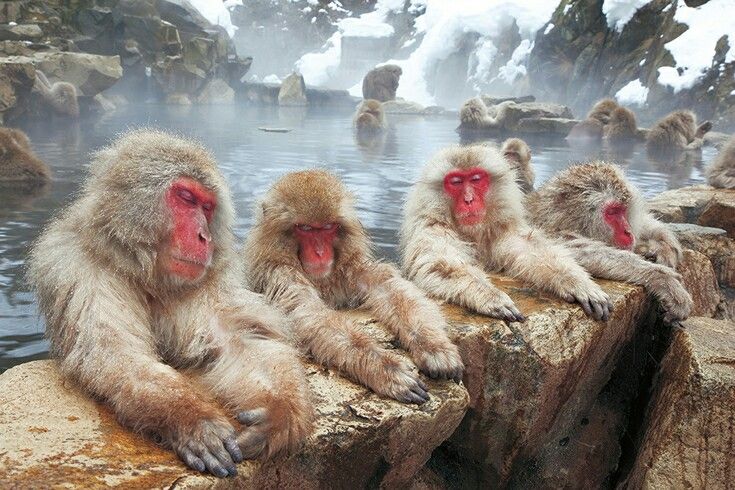
Deep in the snow-draped mountains of Japan’s Nagano Prefecture, a remarkable scene unfolds each winter — wild macaques, known to the world as snow monkeys in Nagano, gather in steaming hot springs surrounded by pine forests and heavy snowfall. These charming creatures soak peacefully in the mineral-rich waters of Jigokudani Monkey Park, creating one of the most surreal and serene wildlife spectacles on Earth. Adding an extra layer of delight, some have even been spotted nibbling on apples as they lounge in the warm pools, making for an unforgettable sight.
The Unique Lifestyle of Snow Monkeys in Nagano
The Japanese macaques, better known as snow monkeys in Nagano, are the only primate species besides humans known to enjoy hot spring bathing as a social and survival behavior. While many animals flee from cold conditions, the snow monkeys in Nagano embrace it. Located in the Joshinetsu Kogen National Park, Jigokudani (meaning “Hell Valley”) offers a geothermally active environment where steam rises from the frozen earth.
Snow monkeys in Nagano were first observed entering the hot springs in the 1960s, inspired by humans at nearby onsen resorts. Today, the tradition continues, with generations of macaques having adapted this cozy habit as a winter ritual. While soaking, the monkeys’ expressions often mirror that of humans—eyes closed, heads tilted back, visibly relaxed—as snowflakes settle on their fur.
Why Apples?
Visitors to the park often bring apples, and while feeding is controlled and not always encouraged, some fruit is provided by the park staff to support the monkeys in the cold season. This small treat has become a highlight — images and videos of snow monkeys in Nagano delicately munching on apples while lounging in hot springs regularly go viral.
Apples offer both nutrition and hydration during harsh months when natural food sources are scarce. Apples also bring a pop of color to the stark white and gray winter landscape, contrasting beautifully with the red faces and thick fur of the monkeys. It’s not only a delightful visual but also a reminder of the bond between humans and wildlife in this protected area.
A Seasonal Wonder Drawing Global Crowds
Visitors from all over the world come to Nagano every year between December and March to see the snow monkeys. Photographers and nature enthusiasts looking for a genuine look at Japan’s winter wilderness are particularly drawn to the park. The interactions, antics, and peaceful soak sessions of the monkeys are truly captivating. Despite the influx of tourists, the park maintains a strong focus on conservation. Strict rules ensure the monkeys are not overly humanized or harmed by human presence. Visitors walk along a scenic, often snow-covered trail to reach the monkey park, a journey that in itself adds to the immersive natural experience.
The behavior of snow monkeys in Nagano has been the subject of much research. In addition to providing warmth, the hot springs have other uses. Bathing improves the general health and reproductive success of female macaques by lowering stress hormones, according to studies. It is thought that younger monkeys picked up the habit by watching their elders, a process known as cultural transmission. Unlike many mammals, these macaques display remarkable intelligence and adaptability. They use tools, wash food, and exhibit strong social hierarchies. The hot spring behavior is one more example of their cognitive sophistication and ability to innovate.
A Day in the Life: What You Can Expect at Jigokudani
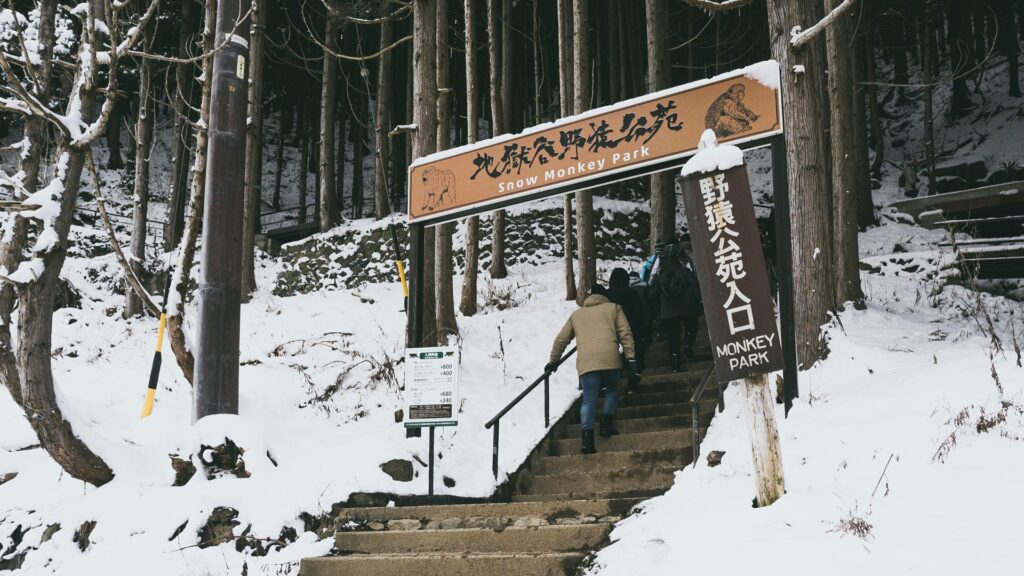
Are you planning a trip to see the snow monkeys in Nagano? Here’s what a typical visit might look like:
- Morning Hike: From the base, visitors take a scenic 1.6 km walk through snow-covered forest trails. This peaceful hike sets the tone for the magical experience ahead.
- Observing the Troop: Upon arrival, you’ll find dozens of monkeys interacting freely. Some groom each other, others play or forage in the snow. A few — usually the elders or high-ranking females — are already soaking in the spring, often with apples in hand (or paw).
- Photography Opportunities: The backdrop is stunning. Steam from the onsen rises into the crisp air as monkeys go about their day. Be sure to bring a camera — just avoid flash.
- Cultural Insight: The park also offers educational materials about macaque behavior, their relationship with the onsen, and the park’s history.
How to Reach the Snow Monkeys in Nagano
The most convenient access is via Nagano City. From Tokyo, the Shinkansen (bullet train) takes around 90 minutes to reach Nagano Station. From there, a bus or taxi will take you to the base of Jigokudani. While it’s possible to visit as a day trip, many opt to stay overnight in nearby Yudanaka or Shibu Onsen towns, which offer traditional ryokan inns, hot baths, and local cuisine. Visiting these quaint towns also gives you a chance to experience Japanese hospitality and soak in your hot spring bath — just like the monkeys!
Responsible Tourism: What You Should Know
Even though Nagano’s snow monkeys are a breathtaking sight, it’s crucial to engage in respectful tourism:
- No Touching or Feeding:Allow the monkeys to act as they naturally would. Their hierarchy and diet are upset by feeding.
- Stay on the Path: To reduce their negative effects on the environment, trails are clearly marked.
- Visit in Winter: Though the park is open year-round, the iconic hot spring behavior happens primarily in the colder months.
- Support Local: Consider buying from local shops or staying at traditional inns to support the community that helps protect these animals.
A Harmony of Nature and Culture
Something incredibly poetic is captured in the picture of snow monkeys in Nagano crunching into bright red apples while soaking in hot springs and surrounded by snowy scenery. It’s more than just a strange tourist attraction; it’s a representation of how wildlife adapts, survives, and sometimes unexpectedly mimics human behavior.
A visit to Nagano to see the snow monkeys offers both beauty and enlightenment for anyone seeking to establish a lasting connection with nature. This peaceful winter retreat continues to be a living example of striking a balance between animal life and human curiosity in a world where natural wonders are becoming more and more scarce. So next winter, when the snow begins to fall, consider trading city lights for snowy trails and steaming springs. The snow monkeys in Nagano will be waiting — apples in hand, steam rising around them, and a calm serenity that stays with you long after you leave.
Read More: Japan’s AI-Powered Drones Are Revolutionizing Reforestation 10x Faster
Leave a Reply