Conical volcanoes, also known as stratovolcanoes, are among the most awe-inspiring and destructive natural formations on Earth. With their symmetrical, towering profiles, they dominate landscapes and have played a crucial role in shaping our planet’s geology. From Mount Fuji in Japan to Mount St. Helens in the United States, these volcanic giants have captured human imagination for centuries. But what makes volcanoes unique, and why do they continue to erupt with such power and unpredictability?
What Are Conical Volcanoes?
Conical volcanoes are steep sided, symmetrical volcanic structures formed by layers of hardened lava, tephra, pumice, and ash. Conical volcanoes produce viscous lava that cools rapidly and accumulates near the vent, therefore giving their character shape; unlike shield volcanoes, which have gentle slopes and produce fluid lava flows. Their explosions are sometimes violent, generating pyroclastic flows, ash clouds, and even lethal lahars.
Formation of Conical Volcanoes
The formation of conical volcanoes occurs over thousands to millions of years through a series of eruptions. The alternating layers of lava and volcanic debris build up the structure, reinforcing its steep profile. These volcanoes typically form at convergent plate boundaries, where an oceanic plate subducts beneath a continental plate, creating a magma chamber that fuels eruptions.
One of the most famous examples of volcanoes is Mount Vesuvius in Italy. This volcano erupted catastrophically in 79 AD, burying the Roman cities of Pompeii and Herculaneum under thick layers of ash and pumice. The eruption of Mount Vesuvius remains one of the most well-documented volcanic disasters in history.
Characteristics of Conical Volcanoes
Several distinct features set conical volcanoes apart from other volcanic types:
- Steep, Symmetrical Slopes: The high viscosity of lava contributes to the volcano’s characteristic conical shape.
- Explosive Eruptions: Due to the buildup of pressure from trapped gases, eruptions are often violent, producing pyroclastic flows and thick ash clouds.
- Crater at the Summit: Most conical volcanoes have a central crater formed by repeated explosive activity.
- Periodic Dormancy: These volcanoes can remain dormant for long periods before suddenly erupting again.
Don’t Miss: Chinese Tourists Clearing Snow in Japan Spark Unique Travel Debate
7 Famous Conical Volcanoes Around the World
1. Mount Fuji, Japan
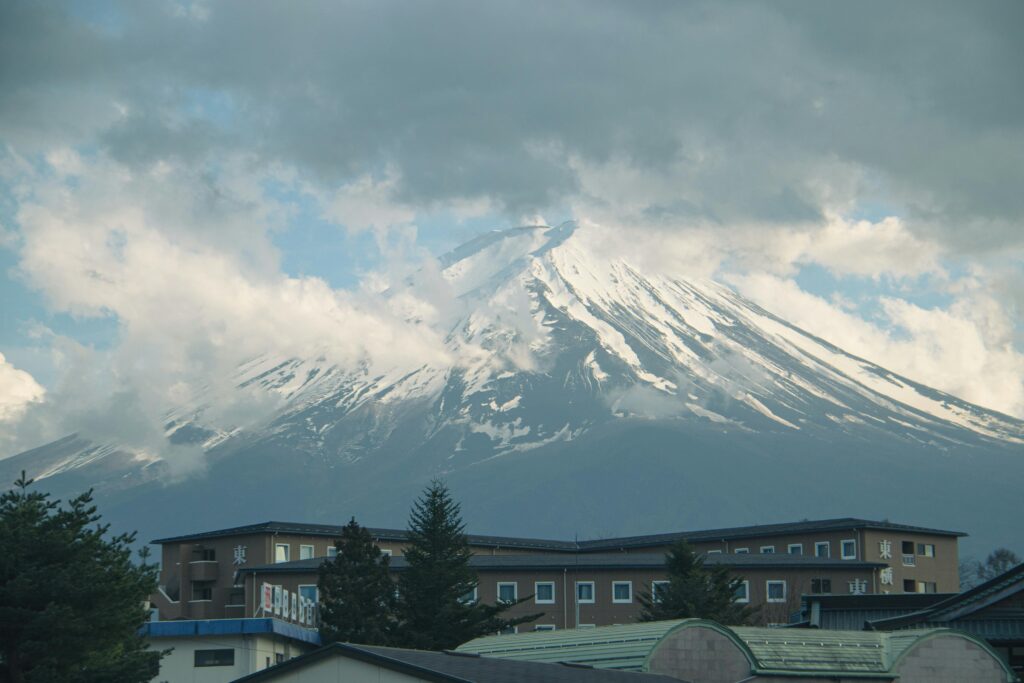
Perhaps the most iconic of all conical volcanoes, Mount Fuji is a cultural and natural symbol of Japan. It last erupted in 1707 and remains an active stratovolcano.
2. Mount St. Helens, USA
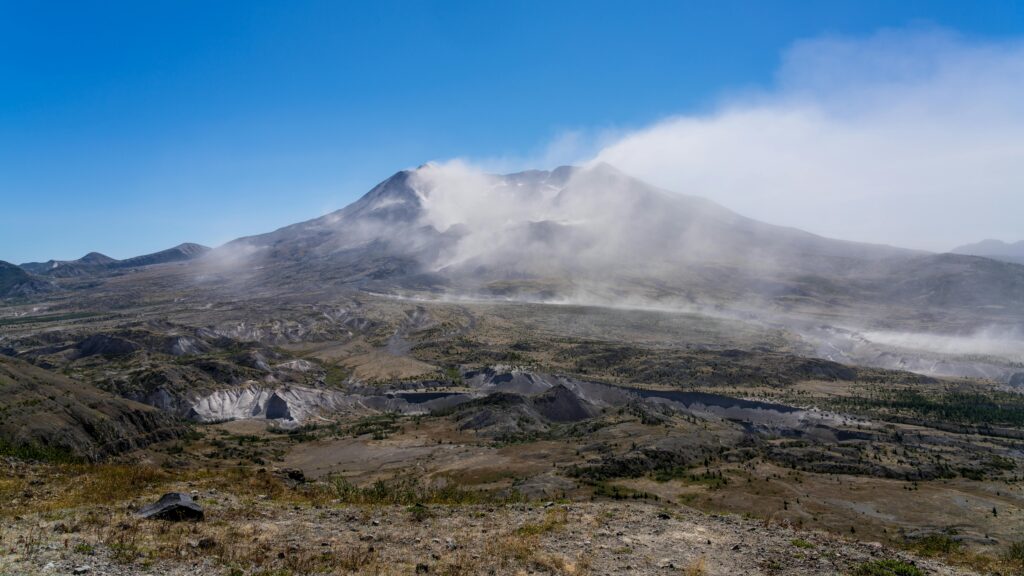
This volcano erupted violently in 1980, causing massive destruction and reshaping the landscape.
3. Mount Vesuvius, Italy
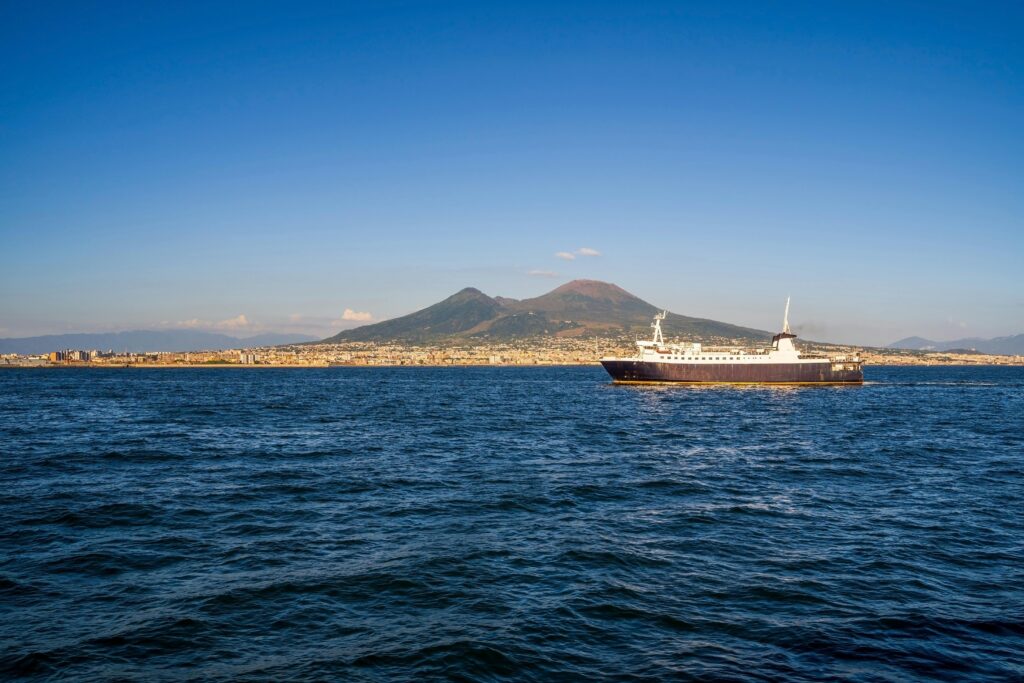
Famous for the 79 AD eruption, it continues to pose a threat to Naples and surrounding areas.
4. Mount Mayon, Philippines
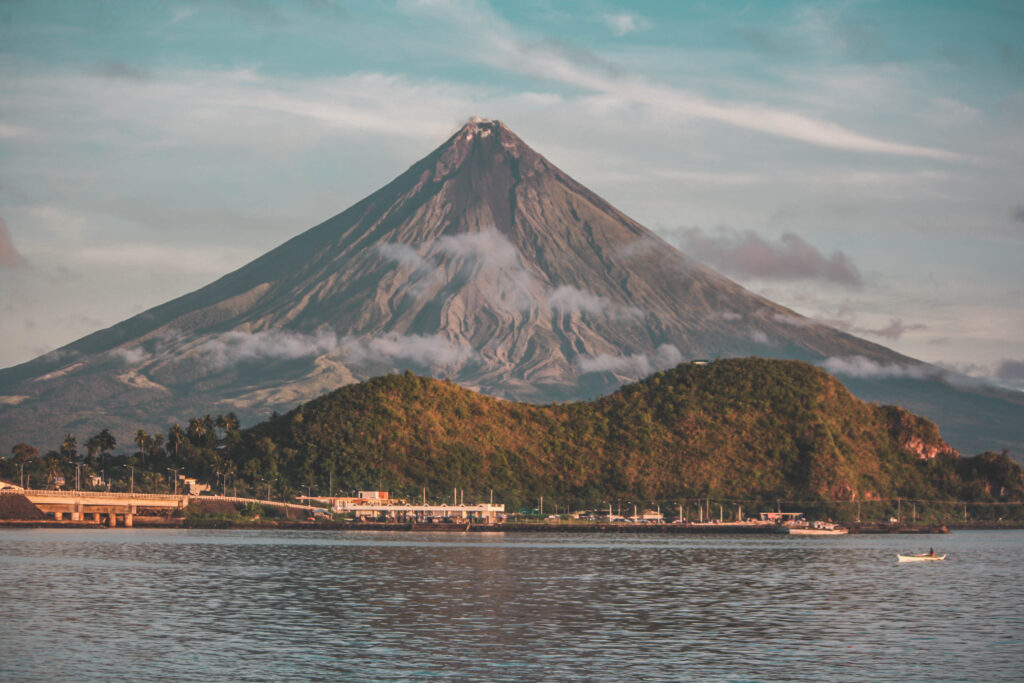
Known for its near-perfect conical shape, this volcano is both beautiful and deadly.
5. Mount Etna, Italy

One of the most active conical volcanoes in the world, it frequently erupts, affecting nearby communities.
6. Mount Cotopaxi, Ecuador
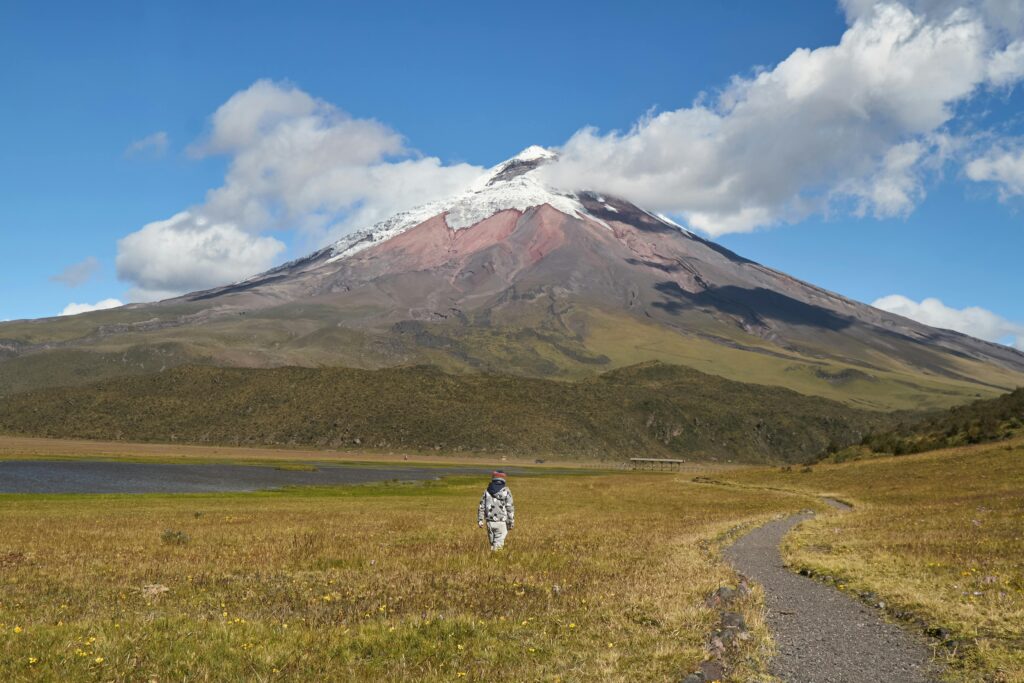
One of the highest active conical volcanoes in the world, Cotopaxi is known for its symmetrical shape and history of violent eruptions.
7. Mount Krakatoa, Indonesia
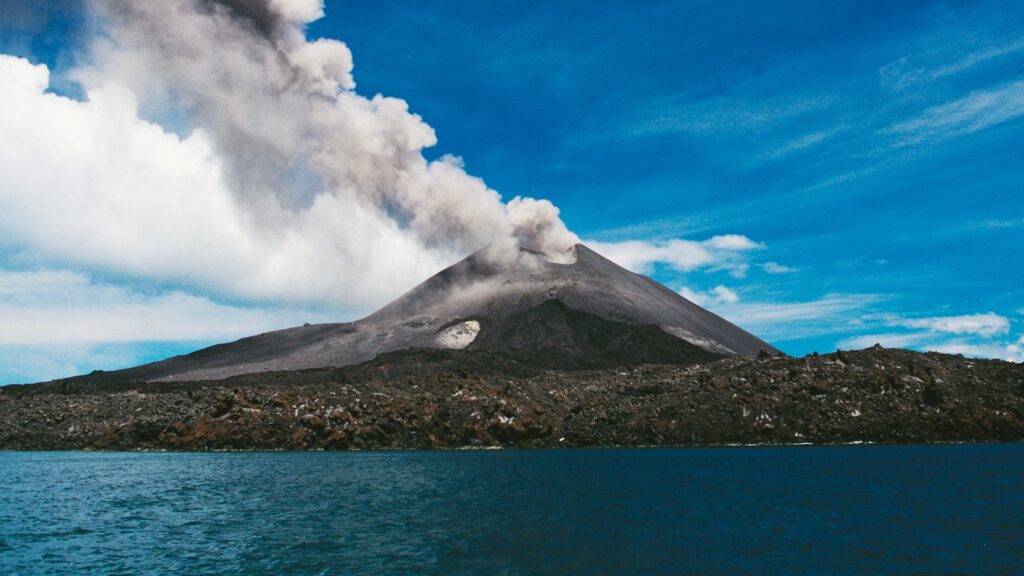
Famous for its catastrophic 1883 eruption, Krakatoa’s eruptions have had significant global climate impacts and continue to pose a threat today.
The Dangers of Conical Volcanoes
While conical volcanoes are stunning natural wonders, they are also among the most dangerous geological features on Earth. Their eruptions can produce:
- Pyroclastic Flows: A fast-moving current of hot gas and volcanic matter that can obliterate everything in its path.
- Lava Flows: Though slower than pyroclastic flows, lava can cause widespread destruction and reshape the terrain.
- Ash Clouds: Volcanic ash can disrupt air travel, damage crops, and pose severe health risks.
- Lahars: Mudflows composed of volcanic debris and water that can bury communities downstream.
The Role of Conical Volcanoes in Earth’s Ecosystem
Despite their destructive power, conical volcanoes play an essential role in Earth’s ecosystem. They contribute to the formation of fertile soils, which support agriculture in volcanic regions. Many volcanic areas, such as those in Indonesia and the Philippines, have rich farmland due to the mineral-rich deposits left behind by eruptions. Additionally, conical volcanoes help regulate Earth’s internal heat and contribute to the planet’s long-term geological cycles.
Monitoring and Predicting Eruptions
Scientists closely monitor conical volcanoes to predict eruptions and minimize damage. Advanced technologies, such as seismographs, satellite imagery, and gas sensors, help volcanologists track changes in volcanic activity. While predicting eruptions remains challenging, early warning systems have improved significantly in recent decades, saving lives and reducing the impact of volcanic disasters.
Conical volcanoes are both breathtaking and fearsome, showcasing nature’s raw power. Their towering presence, explosive eruptions, and role in shaping our world make them a subject of endless fascination. As we continue to study and monitor these natural giants, we gain valuable insights into Earth’s dynamic processes and the delicate balance between destruction and creation.
For people as a whole and for those residing in volcanic regions, knowledge of conical volcanoes is essential. Studied up close or admired from a distance, these grand formations serve to remind us of the always changing quality of our world. Advancing science allows us to coexist with these natural marvels, using their power while also reducing their hazards.
Read More: 8 Cultural and Moral Differences Between Japan and the U.S. That Might Surprise You
Leave a Reply