Concealed deep within the misty mountains of Tokushima Prefecture is a village like none other. Technically called Nagoro, but affectionately called Scarecrow Village, this remote Japanese village is home to fewer than 30 people and more than 350 life-sized scarecrows. Each doll, utterly human-like and attired in everyday scenes, is a silent remembrance of the villagers who once lived there.
But what seems to be a ghost town filled with straw men is a working story of imagination, recollection, and perseverance. Scarecrow Village has become a symbol of Japan’s rural depopulation problem, and at the same time, an off-the-beaten track destination for intrepid tourists seeking something more than a standard tourist experience.
The Origins of Scarecrow Village
Scarecrow Village began with one woman: Ayano Tsukimi. A native of Nagoro, Tsukimi returned to her hometown after decades away to find that many of its residents had either moved to cities or passed away. Her former school had shut down, its stores were shuttered, and the once-bustling town was hauntingly quiet. In 2003, Tsukimi erected a scarecrow in her garden to protect crops. Modeled after her deceased father, the scarecrow was so lifelike that it startled her neighbors. Encouraged, she began making additional figures—each one a former villager or a tableau of village life. Scarecrow Village was soon a fact.

A Village of Memories
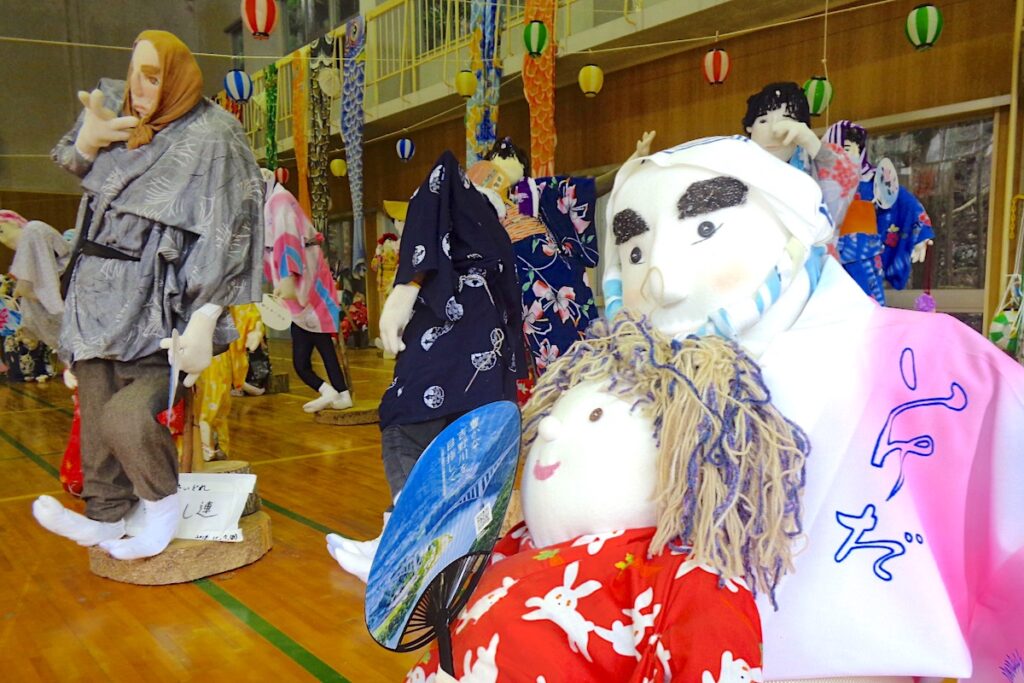
A walk through Scarecrow Village is a step into a frozen moment in history. Near the abandoned school, scarecrow children sit in classrooms, their button eyes facing chalkboards. Under dirt roads and in bus shelters, elderly scarecrows wait patiently, trapped in silence. Farmers, fishermen, and teachers—each one is named, has a story, and has a place in the village memory.
What is so riveting about these scarecrows is not just their artistry—it’s their pathos. Visitors talk of a strange mixture of sadness, warmth, and wonder in going there. The scarecrows act as stand-ins for people who used to give the valley life, keeping them present in a way that words or photographs cannot.
Rural Japan’s Shrinking Communities

Scarecrow Village is not just a strange sight—it is a cry for attention to an acute issue in Japan. One of the world’s most aged populations and a rapidly urbanizing society have caused thousands of rural villages across the country to shrink or vanish. Young people move away in search of jobs, and the old pass away, leaving empty homes and crumbling infrastructure.
Nagoro is only one of them. In the 1950s, it had more than 300 inhabitants. Now there are fewer than 30, the majority of them elderly. Scarecrows of Tsukimi outnumber the living ten to one. But in its eccentric and understated manner, Scarecrow Village speaks up for these lost communities. It reminds both domestic citizens and international travelers of cultural and human worth in areas that have been overlooked by modern development.
Visiting Scarecrow Village
Far-flung as it is, Scarecrow Village has become a go-to place for off-the-beaten-path travelers, photographers, and filmmakers. It is accessible by a mountain road that winds across the Iya Valley, arguably Japan’s most scenic and remote location.
No ticket counter, no guided tour, and no gift shop can be found. In its place is something much more significant: a self-guided stroll through a village where memories are left in wire and fabric. Tsukimi still resides there and will meet with guests now and then, content to spin tales behind her work. For those who find themselves interested in sustainable and slow travel, Scarecrow Village provides a contemplative, genuine experience unlike any other.
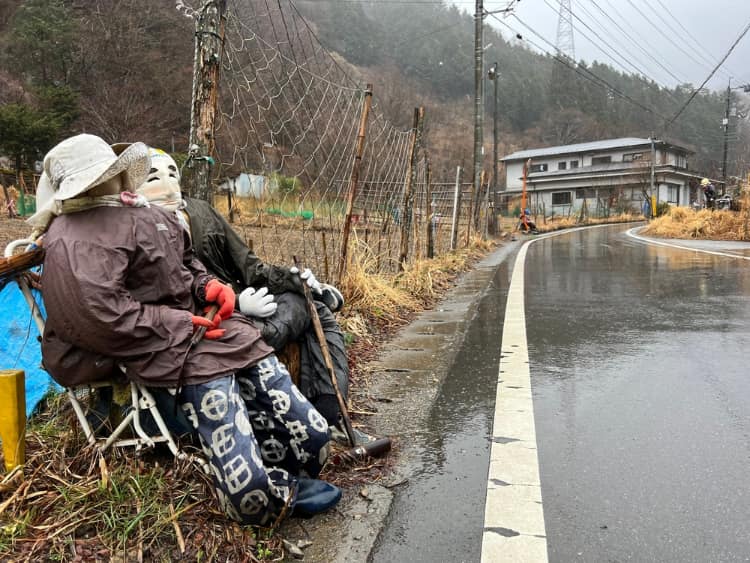
From a personal art project, it has gained global recognition. Documentaries like The Valley of Dolls and mainstream coverage in the BBC and The New York Times have focused on Scarecrow Village as being creepy and quaint. Visitors from all over the world have made the trip to see the scarecrows themselves. Some come out of curiosity; others out of a more profound desire to be at something actual and human—something evoking loss, legacy, and imagination. That Scarecrow Village has become a destination suggests that even the most placid corners of the earth can register loudly.
Art, Memory, and Legacy
There’s a quality of undeniable handiwork to what Tsukimi makes. A single scarecrow might take days to create, sewn by hand out of vintage clothing and stuffed with newspaper or straw. They are often dressed in something that was actually worn by their real-life counterparts. The detail—down to wrinkles, tools, and posture—makes them uncannily real. But Scarecrow Village isn’t a theme park or horror setting. It’s a generous attempt to save what’s been lost. In a world that’s obsessed with the new, it honors what was. And through it, it is a living museum of country life, curated not by curators but by one woman’s passion for her hometown.
Tips for Travelers
If you’re planning a trip to Scarecrow Village, here are a few tips to make the most of your visit:
- Best Time to Visit: Spring and autumn offer the best weather and most picturesque scenery.
- How to Get There: The village is located in Tokushima Prefecture on Shikoku Island. You’ll need to rent a car or take a combination of trains and buses to reach it.
- Be Respectful: This is still a residential area. Visitors should be mindful of local privacy and avoid littering or touching the scarecrows.
- Take Your Time: The magic of Scarecrow Village is in its quiet details. Walk slowly, read the signs, and reflect on the stories told through fabric and thread.
Scarecrow Village is one of the very rare places that linger with you even after you’ve left. In its silence, there’s a deafening affirmation of life, death, and the enduring human impulse to remember. Amidst an era when rural life is vanishing, this village stands as a poignant reminder that even when the folks have abandoned it, their spirit can remain—in art, in memory, and in the silent gaze of a hand-sewn scarecrow. If you’re wanting something unique, something genuine, something softly unrememberable, then Scarecrow Village must be included on your itinerary.
Read More: Top Must-Do Activities in Tokyo: A Complete Traveler’s Guide
Leave a Reply