Deep in the mountains of northern Japan lies Odate City, a quiet, scenic place best known as the birthplace of one of Japan’s most iconic and loyal dog breeds—the Akita Inu. While many may know of Hachiko, the famously faithful Akita who waited for his owner every day at Shibuya Station, fewer realize that his roots trace back to Odate. To celebrate this proud and noble breed, the city opened a unique attraction: the Akita Inu Museum in Odate City.
This museum is far more than a gallery of dog portraits or dusty relics. It’s an immersive experience that combines culture, history, and a touch of adorable fluff. For dog lovers, especially those fascinated by Japanese traditions, the Akita Inu Museum in Odate City offers an unforgettable journey into the life, loyalty, and legacy of the Akita breed—and yes, visitors can even meet real Akita dogs in person.
Inside the Akita Inu Museum in Odate City
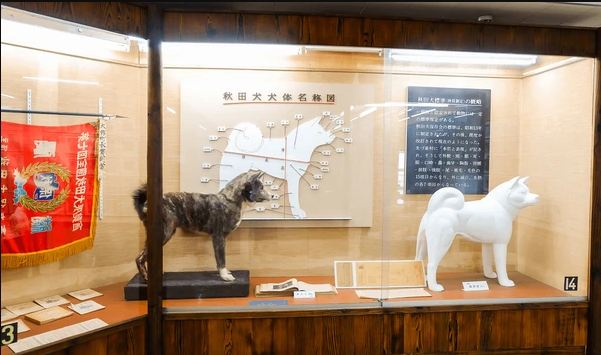
A beautiful bronze statue of an Akita standing proudly at attention greets you as soon as you enter the Akita Inu Museum in Odate City. The structure itself is both modern and reminiscent of traditional Japanese architecture, fusing modern comfort with respect for culture. Its interior is home to an extensive collection of artifacts that celebrate the significance of the Akita dog in Japanese culture, including rare photographs, historical records, original breeding records, paintings, and sculptures. The museum’s meticulous recounting of Hachiko’s story is among its most poignant features.
Timeline displays and relics that portray how the devotion of one dog became a national symbol are available to viewers. But the museum is about more than memories. It also educates visitors on the characteristics of the Akita Inu, including their unique personality, physical characteristics, and even the challenges of raising one in a modern household. The Akita Inu Museum in Odate City also serves as a preservation center. With the Akita breed once nearing extinction, the museum plays an important role in raising awareness and promoting ethical breeding practices. Visitors can learn about the efforts made by local breeders and historians to protect this living piece of Japan’s heritage.
Meeting a Real Akita: A Dream for Dog Lovers
For many guests, the highlight of the visit is the chance to meet and interact with a real Akita Inu. In a special room adjacent to the exhibit halls, trained staff introduce visitors to several Akita dogs that live on-site. These dogs are not just there for show—they are well-socialized ambassadors of the breed, representing the calm, dignified, and affectionate personality that Akitas are known for.
This chance transforms a museum visit into a meaningful, real-life experience. You can pet them, snap pictures of them, and even observe their quiet, perceptive nature qualities that have made the breed such a cherished national symbol of devotion. The Akita Inu Museum in Odate City has a rigorous schedule for interactions in order to protect the dogs’ welfare. Limited group sizes, specified meet-and-greet times, and constant handler presence are all in place. This ensures the dogs remain relaxed, while visitors receive a truly special experience.
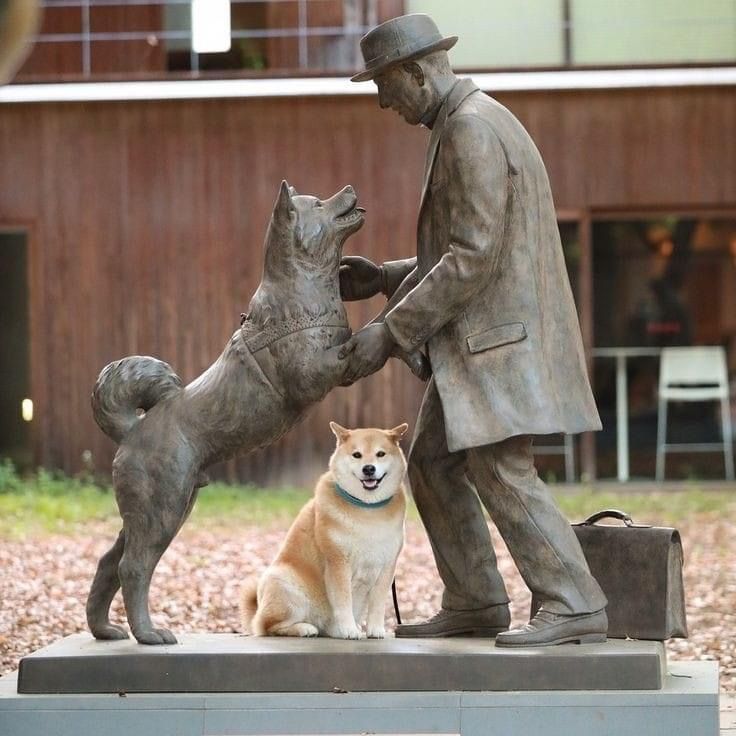
Celebrating Akita Culture Beyond the Dogs
Odate City has fully embraced its reputation as the home of the Akita Inu, and the museum serves as a cultural hub for more than just canine admiration. Throughout the year, the Akita Inu Museum in Odate City hosts seasonal events, workshops, and community festivals celebrating local traditions and the breed’s enduring importance. You’ll find exhibits that showcase Akita-related folklore, local crafts featuring dog motifs, and traditional clothing that breeders historically wore during shows. There’s even a gift shop that sells Akita-themed merchandise, from hand-carved wooden statues to plush toys and dog accessories.
One of the standout features is the museum’s education program. Schools in the area often bring students to the museum as part of cultural studies, and dog owners from across Japan come here to learn responsible pet ownership. The Akita Inu Museum in Odate City, therefore, isn’t just a tourist destination—it’s a living, breathing part of community life. And for those who want to explore more, Odate City offers additional Akita-related attractions, such as the Akita Dog Visitor Center and a scenic walking trail lined with paw prints leading to local landmarks associated with the breed.
A Destination Worth the Journey
Travelers may wonder: Is it worth making the trek to Odate, tucked away in the Akita Prefecture of northern Honshu? Yes, especially for people who love animals, history, or Japanese culture. The region is known for its stunning natural landscapes, warm hospitality, and deep-rooted traditions. And the Akita Inu Museum in Odate City serves as a centerpiece of that charm. What makes the experience so meaningful isn’t just seeing exhibits behind glass—it’s the personal touch.
Meeting an Akita face-to-face while learning about its ancestral lineage adds emotional depth to the visit. It’s one thing to read about loyalty, but another to look into the eyes of a breed that embodies it. Perhaps, it is clear that the Akita Inu Museum in Odate City helps visitors know the profound role dogs can play in society, not as ordinary pets, but as cultural symbols, emotional companions, and guardians of history. Whether you’re a tourist, a dog lover, or someone searching for a uniquely Japanese experience, the museum gives a perfect blend of education and emotion.
Read More: Maneki-Neko: Interesting History Of The Japanese Lucky Cat
Leave a Reply