When it comes to sushi, one ingredient frequently takes centre stage: fish. But, according to expert chefs and seasoned sushi lovers, the rice is what makes a sushi meal great. It may surprise you to learn that some sushi chefs in Japan spend more than ten years learning how to prepare rice. Accuracy, respect, and transforming a common grain into a culinary masterpiece are more important than tradition when it comes to this dedication to a single ingredient in the dish.
The Role of Rice in Sushi
Sushi, which was first used to preserve fish, is now a global culinary sensation. But at its core, sushi is still about balance, particularly the harmony between rice and fish. Actually, rice is so important that the word sushi itself describes the seasoned rice rather than the fish. For this reason, sushi chefs undergo more than ten years of training just to become proficient in making rice. It’s a demanding discipline that requires consistency, flexibility, and a thorough understanding of chemistry, temperature, and even psychology; it’s not just about boiling a pot of rice.
Why the Training Takes Over a Decade for Sushi Chefs
Sushi rice may appear straightforward to the untrained eye, but it is prepared using a complex ritual. Itamae, or sushi chefs, begin their careers by spending years cleaning, polishing, and observing; they frequently don’t even touch a knife or rice pot during this time.
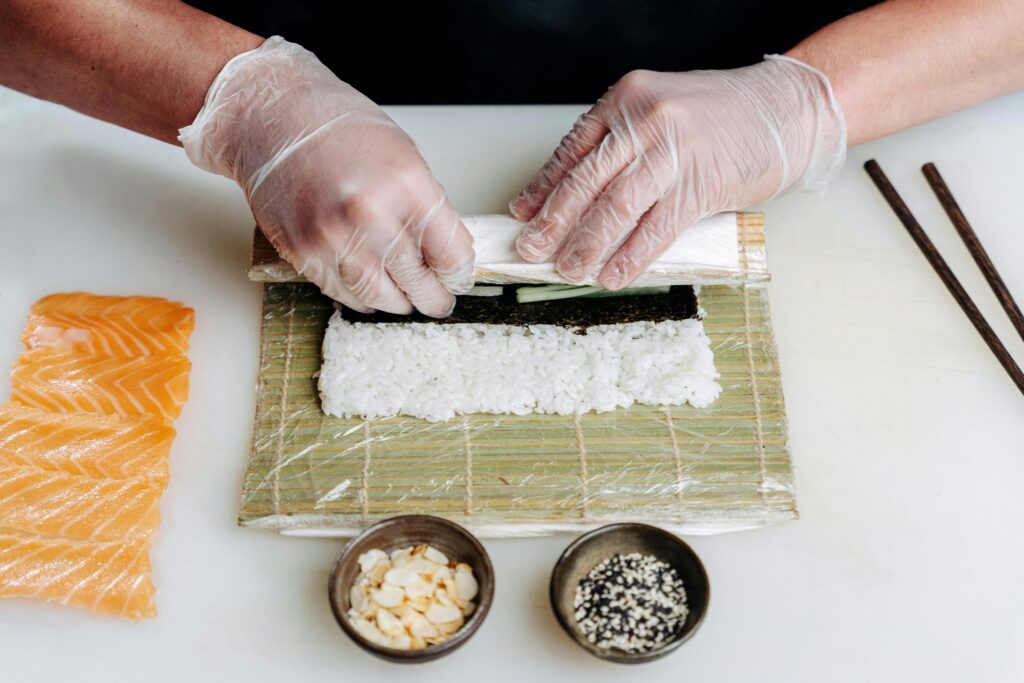
Here’s what makes this rice training so complex for sushi chefs:
1. Washing and Polishing
The rice must be washed thoroughly to remove excess starch while preserving its structure. This alone can take months to perfect. Taste and texture are impacted by the washing process, and poor technique can destroy the finished product.
2. Perfecting the Cook
Sushi chefs know that cooking rice isn’t as simple as pressing a button—especially when aiming for perfection. Instead of modern rice cookers, many traditional chefs rely on hakama, heavy iron pots that require close attention to detail. Everything matters: the water-to-rice ratio, heat level, and cooking time must all be adjusted with care. Even the surrounding temperature and humidity can affect how the rice turns out. After years of hands-on experience, chefs learn to read these subtle cues instinctively. It becomes second nature—something they feel rather than think about.
3. Seasoning to Perfection
Preparing sushi rice correctly is a delicate art that requires practice. The first thing that is done is to season the newly cooked rice with a special blend of salt, sugar, and rice vinegar. What one is aiming for is a well-balanced flavor that will enhance the delicate flavor of the fish without overpowering it. To achieve the ideal texture—light, slightly sticky but still firm—the rice must be seasoned, stirred, fanned, and cooled at the right pace.
Done correctly, the process is incredibly rewarding, yet it does call for patience and attention to detail. With rice being at the core of every sushi preparation, it comes as no surprise that its mastery takes more than a decade of strict practice for the majority of sushi chefs.
Discipline and Philosophy Behind the Craft
A significant aspect of Japanese cooking customs is the artisan spirit, or shokunin. This concept emphasizes the value of accuracy, modesty, and a lifetime dedication to doing things well. It’s about giving every dish your all and constantly trying to get better, regardless of how long you’ve been doing it. Apprentices may work for years, merely observing and performing menial tasks at sushi restaurants like Sukiyabashi Jiro, which gained fame through the documentary “Jiro Dreams of Sushi.”
This is cultivation, not exploitation. Chefs develop the rhythm and sensitivity necessary to consistently provide an outstanding experience by working with rice for years. The premise is that you can be trusted with the rest if you can master something as basic as rice.
The Global Perception vs. Japanese Tradition
The sushi industry is frequently accelerated outside of Japan. After a few months of training, sushi chefs may begin serving sushi on a commercial basis. Although sushi is now more widely available, the delicacy and accuracy of authentic Japanese sushi are frequently lost in the process. Japan, on the other hand, is a very traditional country. It is still widely accepted that sushi chefs must spend more than ten years learning how to prepare rice, and patrons of upscale eateries demand no less.
How This Tradition Shapes the Dining Experience
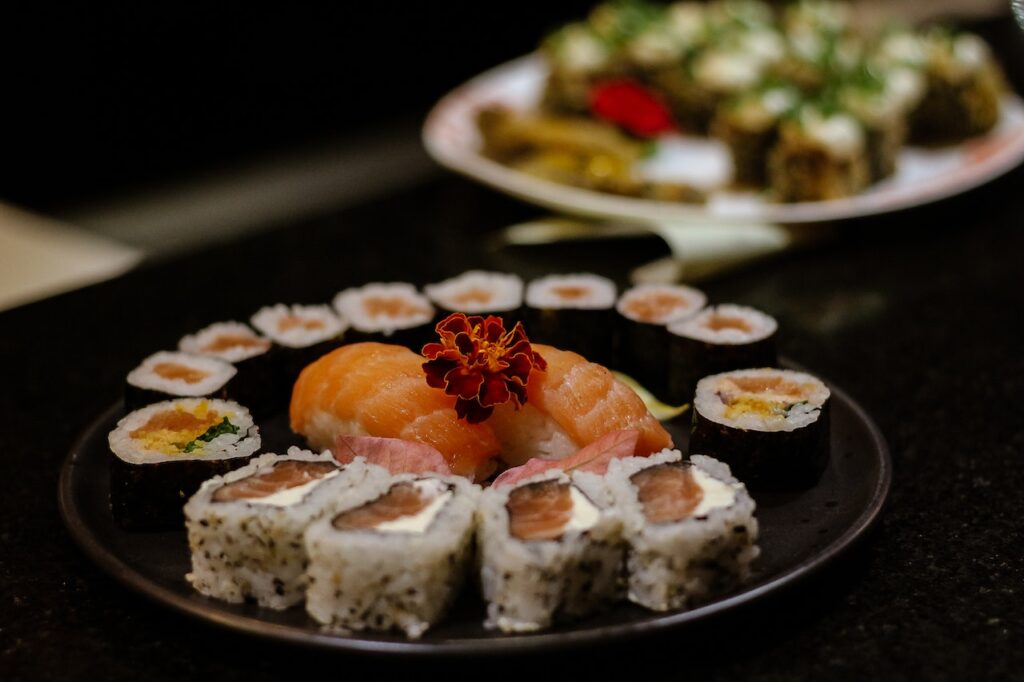
When you bite into a piece of nigiri prepared by a master sushi chef, you’re consuming years, sometimes decades, of effort. The rice has the perfect amount of acidity and stickiness and is just warm. It securely but gently holds the fish. From the grain’s texture to how quickly it is served, every little detail is deliberate. Sushi is both a form of performance art and a type of food. And rice is central to that performance.
Meet the Masters: Real Stories Behind the Craft
Before they ever sliced fish, renowned sushi chefs like Jiro Ono and his son, Yoshikazu, spent their formative years perfecting the art of rice preparation. Only a few are permitted to handle the rice in their restaurants. They think that improvements can still be made even after decades have passed. These tales serve as cultural markers that highlight why sushi chefs spend more than ten years training to become proficient in rice preparation, in addition to being about culinary milestones.
Technology and Modern Training: Is the Tradition Changing?
Some kitchens are incorporating contemporary innovations, such as automated seasoning systems and rice-cooking machines. Purists counter that no machine can ever fully replace the human intuition that has been honed over years of practice. Only a master can comprehend the seasonal and emotional context of each batch of rice, even though a machine may measure the ingredients. High-end restaurants continue to uphold the traditional standard, ensuring that the legacy of this distinctive discipline endures, even as some culinary schools are reducing training timelines.
Why This Matters to the Global Culinary Scene
In an age of shortcuts and fast food, the fact that sushi chefs undergo 10+ years of training just to know how to make rice is nothing short of inspirational. It humbles the world by showing it that mastery doesn’t occur overnight. It takes time, passion, and a stubborn pursuit of perfection. For foodies, an understanding of sushi rice’s history gives an appreciation for what lands on your plate.
For sushi chefs-in-training, it is a reminder that the road to greatness is lengthy but well worth it. Sushi rice might appear to be a minor ingredient, but it’s the heart and soul of all sushi. In Japan, that soul is cultivated through over a decade of concentrated patient training. Next time you enjoy a subtle piece of nigiri, then don’t forget it’s not all about the fish. It’s about the subtle mastery of rice that renders the whole thing exceptional. In the ageless realm of sushi, 10+ years are devoted to learning to prepare rice alone—and that’s precisely what elevates this cuisine to a work of art.
Read More: 10 Popular Japanese Foods That Aren’t Sushi or Ramen
Leave a Reply