• Skip to main content
  • Skip to secondary menu
  • Skip to primary sidebar

Japan & Extra

You Every day Japan

  • Culture
  • Travel
  • History
  • Food
  • Manga
  • Job
  • Business
  • Technology
  • News

Hachimaki – the Japanese Headband that gives you Energy

May 30, 2024 by Japan Daily Leave a Comment

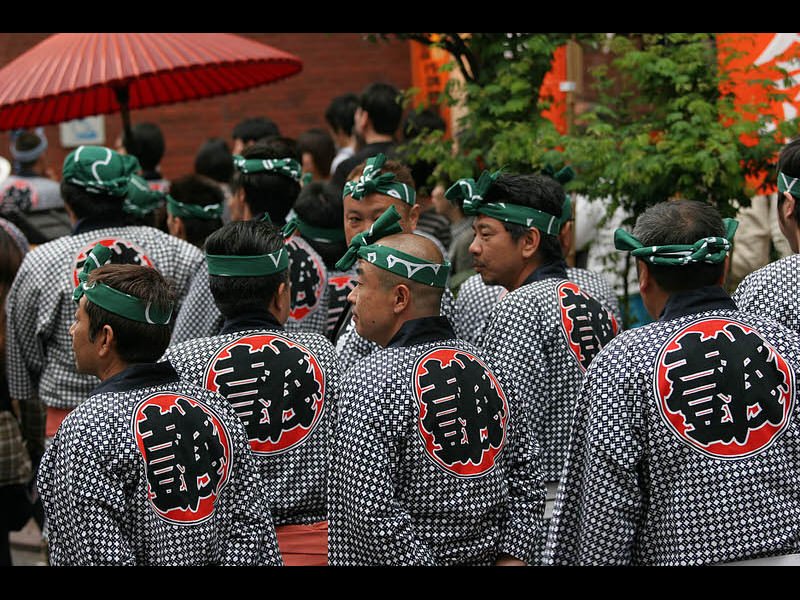
When thinking of Japan, some of the things that usually come to mind are Sushi and Samurai; perhaps Karate and Bonsai. These are all iconic images in Japan, but when it comes to cultural icons, there is one piece of headwear that embodies the quintessential image of Japan – the Hachimaki (鉢巻).

The Bosozoku wear them while riding their motorcycles, protesters wear them to get strength for perseverance, Mr. Miyagi wore one while attempting to catch a fly, and of course Daniel-san wore one at the Karate Championship.

Yes, the simple headband is a true icon in Japan and conjures images of heroic feats good luck, and acts of severe perseverance.
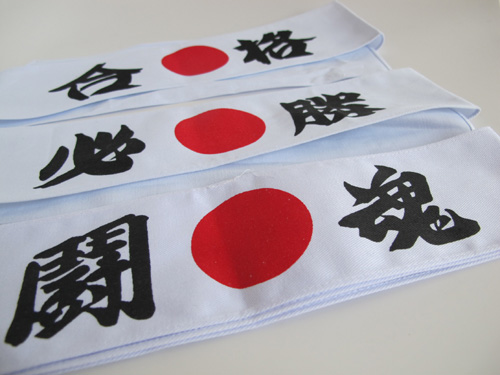
Japanese legend states that hachimaki strengthen the spirit and keep the wearer safe from evil spirits and demons. It is thought that the trend started with the Samurai, who wore the headbands underneath their helmets to absorb sweat, and to keep the helmets in place during battle.
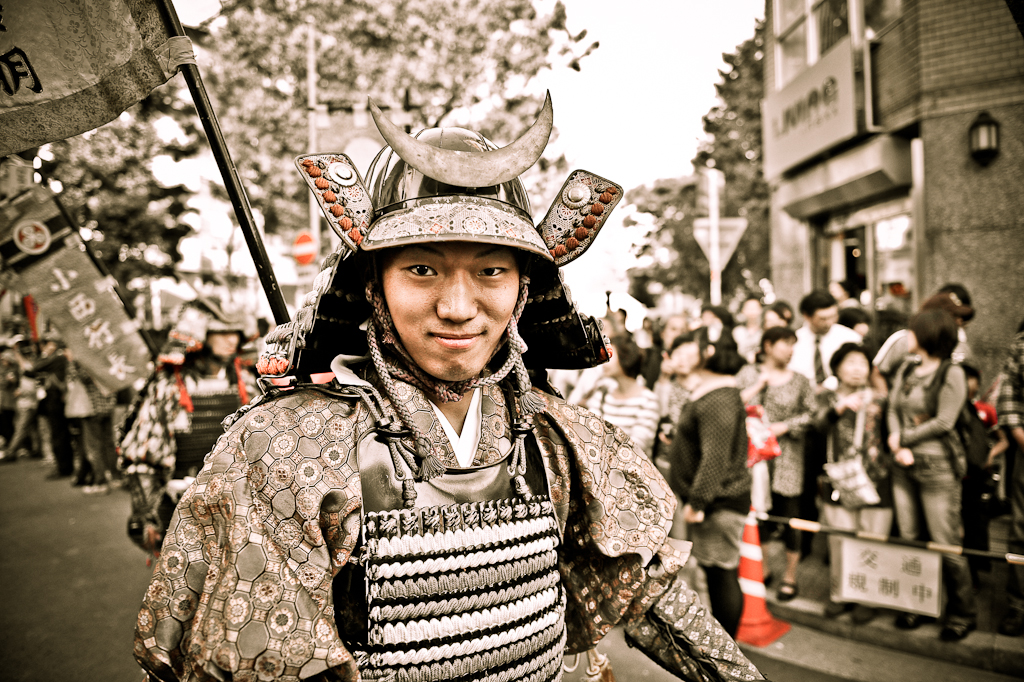
But with swords being outlawed, and the Samurai being pretty much gone in modern society, when can you wear the Hachimaki in more modern times?

It’s usually worn at festivals, martial arts competitions, by carpenters, and some students even don the headband when taking exams.  Of course, everyone has seen at least one image of a Salaryman simulating the hachimaki by tying his tie around the head during drinking parties (supposedly to energise the liver?).
Also, the bosozoku (biker gangs) seem quite fond of wearing them.
Perhaps the most well known usage of the hachimaki was by the kamikaze pilots toward the end of World War II. These pilots would frequently wear a hachimaki, usually with the kanji “神風” (“Kamikaze”), before flying to their deaths.

There are different types of Headbands that can be used.  Besides the traditional white band with Kanji written on it, there are several others in common usage, which are often seen at festivals and other events.  With the summer festival season in full swing, here is a handy guide on how to tie them.
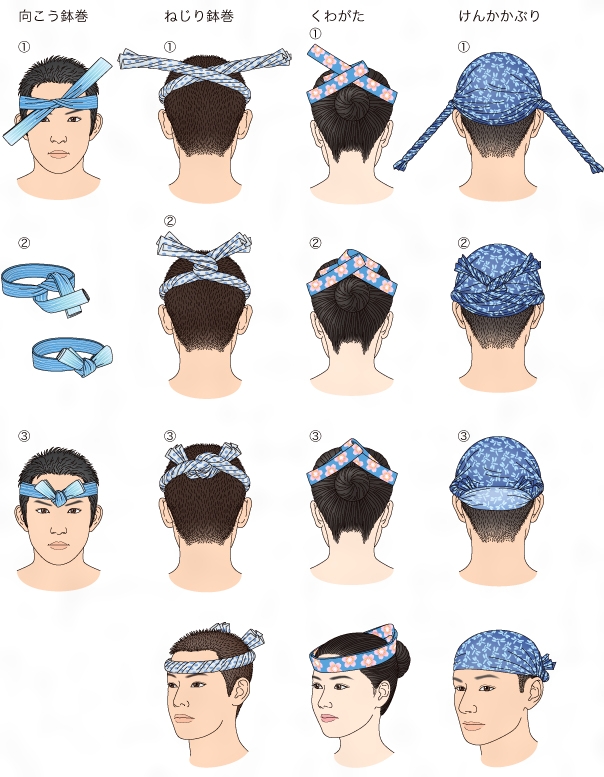
Who would’ve thought that the simple act of wrapping a length of cloth around the head could have such depth?
But like so many other things in Japan, even seemingly simple things often have a much deeper meaning behind them.  Armed with that knowledge, hope you all have a great summer festival season!

Filed Under: Culture, History

Reader Interactions

Leave a Reply Cancel reply

Your email address will not be published. Required fields are marked *

Primary Sidebar

YOU MAY LIKE

“Yabai” (やばい): The Japanese Word That Can Be Anything

Few words in the Japanese language are as versatile and dynamic as やばい (yabai). Originally rooted in the world of danger and risk, this slang term has undergone a fascinating evolution, transforming into a go-to expression for excitement, surprise, and even admiration. Today, やばい is a staple in casual conversations, especially among younger generations. But how […]

The Meaning Of ‘Senpai’ And How To Use It Properly In Japanese

Perhaps you’ve seen some anime or Japanese drama shows and have heard the term “senpai” (先輩) more than a few times. Your friends who don’t even understand Japanese may also have heard of this word. If you’ve seen it with subtitles, you have likely been able to understand the meaning. However, we’re here to clarify […]

10 things Japan gets awesomely right

Although Japan is not without its faults, it is nevertheless an incredibly efficient and easy-to-live-in country, and we’ve discovered that there are numerous things that the Japanese get not just right, but awesomely right. Here are 10 things Japan gets awesomely right. 1. Vending machines If you’re looking for something to quench your thirst – […]

Hanami: The Timeless Japanese Tradition of Cherry Blossom Viewing

Japan has a long history of traditions and cultural activities. Hanami, or cherry blossom watching, is one of the most popular and widely recognized customs. Hanami is more than just enjoying flowers; it is a cultural celebration that represents the fleeting beauty of life and the start of spring. The activity has strong historical origins […]

10 Must-See Japanese Summer Festivals (Matsuri)

As the cicadas begin their persistent chorus and humidity blankets the archipelago, Japan transforms into a wonderland of cultural celebration. Summer in Japan isn’t merely a season—it’s a spectacular display of centuries-old traditions brought to life through matsuri (festivals) that captivate all senses. The rhythmic pounding of taiko drums echoes through narrow streets while paper […]

  • Privacy Policy
  • About us
  • Contact

Copyright © 2026 · Magazine Pro on Genesis Framework · WordPress · Log in