A nation renowned for its technological developments and creative answers to daily issues is Japan. The Air Danshin system is among most notable developments in earthquakeproof technology. This design from a Japanese firm aims to shield constructions from seismic damage through a clever solution—floating structures on an air cushion.
The Air Danshin system elevates a building off its foundations at the time of an earthquake strike, therefore differing totally from typical seismically resistant approaches that depend on shock absorbers or flexible bases.
Understanding Japan’s Earthquake Challenges
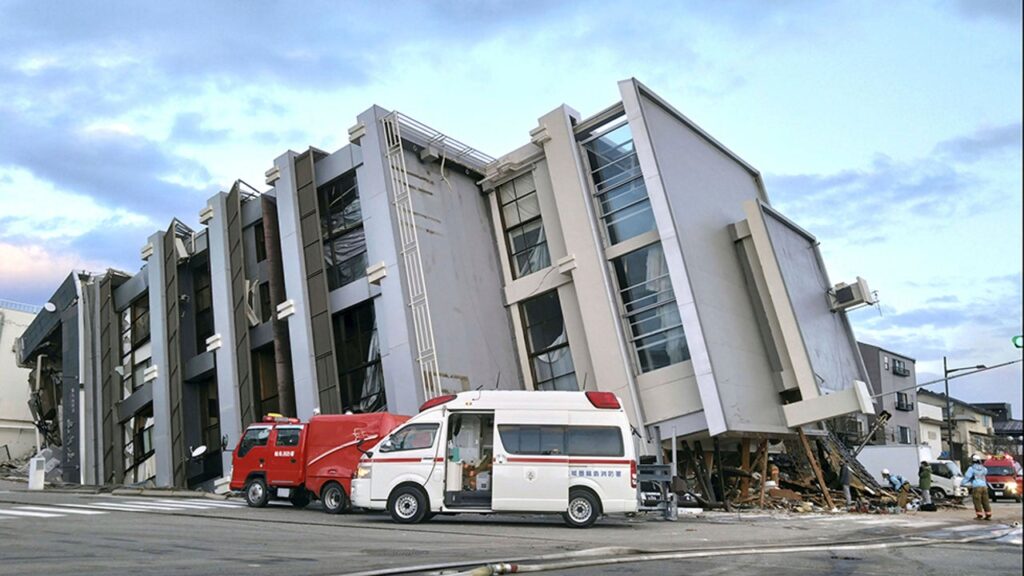
Sitting on the Pacific Ring of Fire, a very dynamic fault zone where many tectonic plates converge, is Japan. Consequently, the nation has many yearly earthquakes, some of which cause major destruction. For instance, the great damage caused by the 2011 Tōhoku earthquake and tsunami emphasizes the imperative for better earthquake protection techniques.
Base isolators, strengthened constructions, and damping systems are among the many anti-earthquake technologies Japanese engineers and science have brought about during the years. Many of these approaches, nevertheless, are expensive and constrained. Seeing these difficulties, inventor Shoichi Sakamoto developed a creative answer—the Air Danshin system, a name that means air independence.
How the Air Danshin System Works
The Air Danshin system is based on a simple yet highly effective principle: lifting the building off its foundation using air pressure during an earthquake. The technology consists of three primary components:
-
Seismic Sensors – These sensors detect the first seismic waves (P-waves) before the stronger waves (S-waves) arrive. The system responds instantly, ensuring the building is lifted in time.
-
Air Compressors – Once an earthquake is detected, high-powered air compressors release compressed air underneath the building. This air pressure creates a gap between the building and the foundation.
-
Airbags or Air Cushions – The building is lifted approximately 3 centimeters (about 1.2 inches) above the foundation, preventing direct contact with the ground. This eliminates the violent shaking that usually causes damage.
The building slowly returns to its foundation as the air is released after the earthquake has passed. The system is made to operate on its own with little assistance from humans.
Advantages of the Air Danshin System
The Air Danshin technology offers several key advantages over conventional earthquake-resistant systems:
1. Minimal Structural Alterations
Air Danshin can be installed in both new and existing buildings with comparatively little alteration, in contrast to base isolation systems, which necessitate significant changes to a building’s foundation. For homeowners who wish to retrofit their homes without undergoing major reconstruction, this makes it a desirable alternative.
2. Cost-Effective
Many advanced earthquake-resistant technologies are expensive to implement, especially in older buildings. The Air Danshin system is more affordable because it does not require massive structural reinforcements. It provides protection without the need for thick concrete layers or heavy-duty shock absorbers.
3. Zero Maintenance
Traditional earthquake protection systems often require periodic inspections and maintenance. The Air Danshin system, on the other hand, is designed to function reliably with minimal upkeep. The air compressors and sensors are durable and only need occasional servicing.
4. Protects Interiors and Possessions
One of the biggest concerns during an earthquake is the damage caused by falling objects inside a home or office. Because the Air Danshin system prevents the violent shaking of a building, it also helps protect furniture, appliances, and other valuables.
5. Energy-Efficient and Environmentally Friendly
The system operates using air pressure rather than electricity, making it an energy-efficient alternative. It does not rely on fossil fuels, making it a sustainable option for earthquake-prone regions looking for eco-friendly solutions.
Real-World Applications and Success Stories
Since its development, the Air Danshin system has been installed in numerous buildings across Japan. Several case studies have demonstrated its effectiveness in real earthquake scenarios:
-
Residential Homes: Many homeowners have chosen to install Air Danshin in their houses, reducing the risk of damage without requiring expensive structural reinforcements.
-
Small Office Buildings: Companies looking for cost-effective earthquake protection have adopted the system to safeguard employees and assets.
-
Heritage Structures: Some historical buildings, which cannot undergo major modifications, have benefited from this technology to ensure preservation.
After installation, many users reported that their homes remained virtually untouched during moderate earthquakes, proving the system’s reliability.
Comparing Air Danshin with Traditional Earthquake-Resistant Methods
| Feature | Air Danshin System | Base Isolation | Reinforced Structures |
|---|---|---|---|
| Cost | Affordable | Expensive | High |
| Installation | Minimal changes | Complex | Requires rebuilding |
| Maintenance | Low | Medium | High |
| Effectiveness | High (Prevents shaking) | High (Absorbs shaking) | Medium (Absorbs some impact) |
| Sustainability | Eco-friendly | Uses synthetic materials | Energy-intensive construction |
The comparison highlights why Air Danshin is becoming an increasingly popular alternative for those looking for an affordable yet effective earthquake mitigation solution.
Challenges and Limitations
Despite its many advantages, the Air Danshin system has some limitations:
-
Height Restrictions – The technology is most effective for low-rise buildings (one to three stories). High-rise structures require different earthquake-resistant strategies.
-
Initial Installation Cost – While cheaper than some alternatives, the cost of installing air compressors and sensors may still be a concern for some homeowners.
-
Not Suitable for Uneven Terrain – The system works best on level ground. Uneven or sloped land may present challenges for air cushion deployment.
Future of Air Danshin Technology
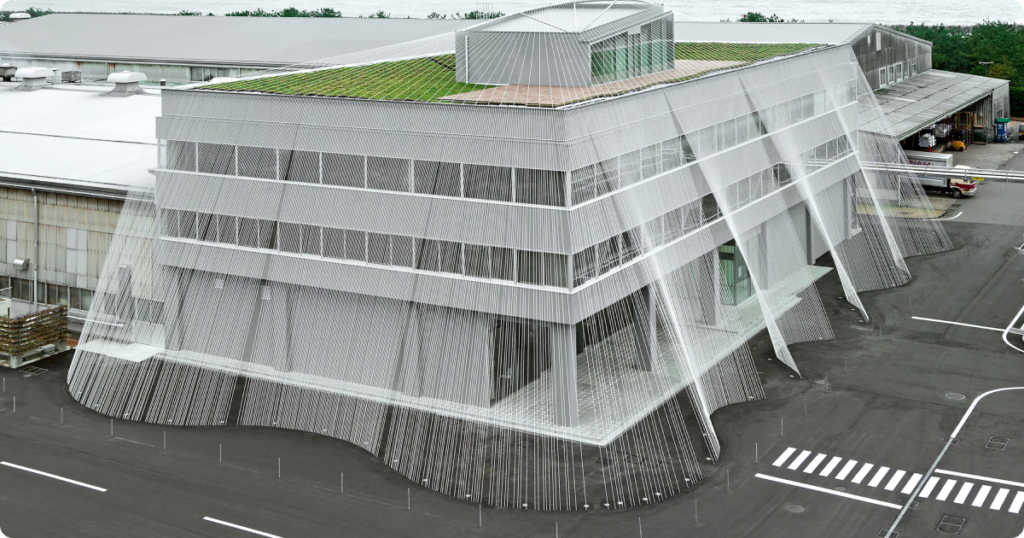
As earthquake-resistant technologies continue to evolve, the Air Danshin system is likely to see further improvements. Researchers are exploring ways to:
-
Increase the height capacity for larger buildings.
-
Enhance airbag durability to withstand stronger earthquakes.
-
Develop more affordable versions for widespread use.
Highly probable will become more frequent air Danshin, or comparable airbased earthquake protection systems, not only in Japan but also in other seismically lively areas around the world, given Japan’s dedication to innovation.
Using groundbreaking earthquake-resistant technology that raises structures on air cushioned during seismic events, the Air Danshin system offers a cost-effective, low maintenance solution for guarding homes and little structures. This creative answer could, with more study and improvement, start to be a standard feature in earthquake-prone cities all around the world where seismically active areas are threatened.
Read More: Maneki-Neko: Interesting History Of The Japanese Lucky Cat
Leave a Reply