Irregular symbols are as effective, enigmatic, and contentious in the dim corners of Japanese history and culture as the irezumi yakuza tattoo. Intensely ingrained in Japan’s intricate social development, this centuries-old body art form has come to symbolize both artistic beauty and social rebellion. Though the practice of irezumi predates the modern yakuza, their association has given rise to a rich yet conflicted legacy that continues to influence art, identity, and law in Japan today.
The Origins of Irezumi Yakuza Tattoo: A Story Etched in Ink

Long before the irezumi yakuza tattoo became synonymous with organized crime, the practice of tattooing in Japan was both spiritual and punitive. During the Jomon period (roughly 10,000 BCE), archaeological evidence suggests that tattooing was used in religious or tribal contexts. Later, in the Edo period (1603–1868), irezumi gained popularity as decorative body art among firemen, laborers, and commoners. These traditional tattoos, known as horimono or irezumi, were hand-poked using bamboo or metal needles and natural ink.
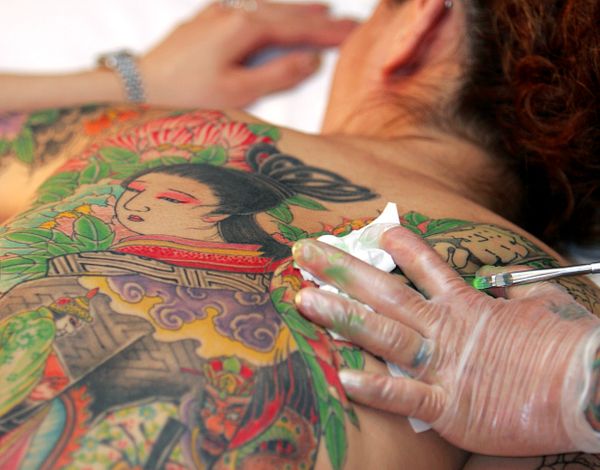
They featured elaborate motifs like dragons, koi fish, tigers, samurai, and mythological creatures—each representing virtues such as bravery, loyalty, or endurance. Full-back designs, or body suits, often told stories drawn from folklore or literature, making the wearer a living canvas. It wasn’t until the late Edo period that the irezumi yakuza tattoo began its ascent into infamy. When laws banned tattoos to make Japan appear more “civilized” to the West, the art form went underground. It was during this time that criminal groups began embracing irezumi as a mark of defiance and identity.
Yakuza and Irezumi: A Bond Beyond Skin
The link between the yakuza and tattooing is more than superficial. For Japan’s largest and oldest organized crime syndicates, the irezumi yakuza tattoo serves as a badge of honor, loyalty, and endurance. Often covering the back, arms, and chest—but stopping short of the hands, neck, or face to be concealed under clothing—these tattoos symbolize a silent code shared among members.
Enduring hours of pain over months or even years, yakuza members who choose to wear irezumi prove their dedication not only to the group but also to a way of life. The tattooing process itself, known as tebori (hand-carving), is painful and time-consuming, demanding absolute commitment. The themes of a typical irezumi yakuza tattoo reflect the values revered by the underworld: loyalty (chuugi), bravery (yuuki), and resilience (nintai). Common motifs include:
- Koi fish symbolizes perseverance and strength against adversity.
- Dragons are often seen as protectors and masters of wisdom.
- Oni (demons) and samurai embody fearlessness and honor in battle.
This offers a word of commitment, as the irezumi yakuza tattoo becomes more than a mark, an inspirational armor, and a lifelong assurance with the underworld.
Societal Stigma and Legal Repercussions

The irezumi yakuza tattoo maintains a powerful stigma in Japanese culture despite its artistic value. Seen by many as a symbol of criminality, those with visible tattoos are often banned from public spaces such as bathhouses (onsen), gyms, beaches, and swimming pools. Even in contemporary Tokyo, where fashion and tradition often collide, tattooed individuals can face judgment or outright exclusion.
The association of irezumi with the yakuza is a key reason behind this discrimination. After World War II, efforts to suppress organized crime led to greater scrutiny and social ostracism of those wearing these elaborate designs. As a result, even non-yakuza individuals with traditional tattoos often find themselves caught in the web of public suspicion.
In recent years, Japan’s tattoo culture has been challenged in court. In 2020, a landmark ruling declared that tattooing is a form of artistic expression, not a medical procedure, and therefore does not require a medical license. This was seen as a win for modern tattoo artists and enthusiasts, but the shadow of the irezumi yakuza tattoo still lingers over public perception.
Global Fascination and Cultural Reclaiming
The most interesting aspect is that the rest of the world has embraced the irezumi yakuza tattoo style with curiosity and admiration, while Japan is still tussling with its legacy. Irezumi is praised by tattoo artists and collectors worldwide for its cultural depth, craftsmanship, and storytelling. Studios in Europe and the United States often specialize in Japanese-style tattoos inspired by the original tebori methods and symbolism. At the same time, younger Japanese generations are beginning to reclaim the art form, separating it from its criminal associations.
For many, the irezumi yakuza tattoo no longer represents crime but heritage—an homage to Edo-era artistry, personal strength, and cultural identity. Artists like Horiyoshi III and Gakkin have helped modernize and globalize Japanese tattooing, making it both accessible and respected in fine art circles. Still, a quiet tension persists. Japan’s hesitation to fully embrace and legalize tattooing shows just how deeply the past still lingers. But as styles change and social attitudes grow more open, the irezumi yakuza tattoo might finally start to break free from the fear and stigma that once surrounded it.
Key Takeaway
The irezumi yakuza tattoo is a powerful symbol caught between artistic expression and defiance, cultural heritage, and social judgment. What began as a spiritual and decorative art form eventually became linked to Japan’s underground world, changing how it was seen by society. Up till now, the image of the laboriously tattooed gangster stirs both fear and curiosity. There is more to the history than meets the eye.
These tattoos reflect self-control, artistic ability, and evolving identity concepts. The irezumi yakuza tattoo continues to be a subject of both awe and debate, regardless of whether it is worn as a sign of allegiance or as a nod to tradition. As younger generations evolve more open and the world’s fascination with Japanese tattooing grows, Japan must decide whether to keep the old judgments or recognize these tattoos as part of a rich cultural narrative.
Read More: The Curious Case of the Heoibikuni: Japan’s Historical “Blame-Taker” for Flatulence
Leave a Reply