Imagine standing at a funeral where sorrow hangs thick in the air but the tears aren’t just from family. Strangers, hired to weep, fill the space with wails and songs, guiding mourners through their grief. In Kyoto, Japan, and across parts of Asia, professional mourners, sometimes called “criers” bring a theatrical yet deeply meaningful presence to funerals. Far from being relics of the past, these mourners remain vital, blending ancient customs with modern needs. But why does this profession endure in a world that often hides grief behind closed doors? Let’s explore the heartbreaking yet beautiful world of professional mourners, their cultural significance, and the surprising ways they help us process loss.
The Role of Professional Mourners: More Than Just Tears
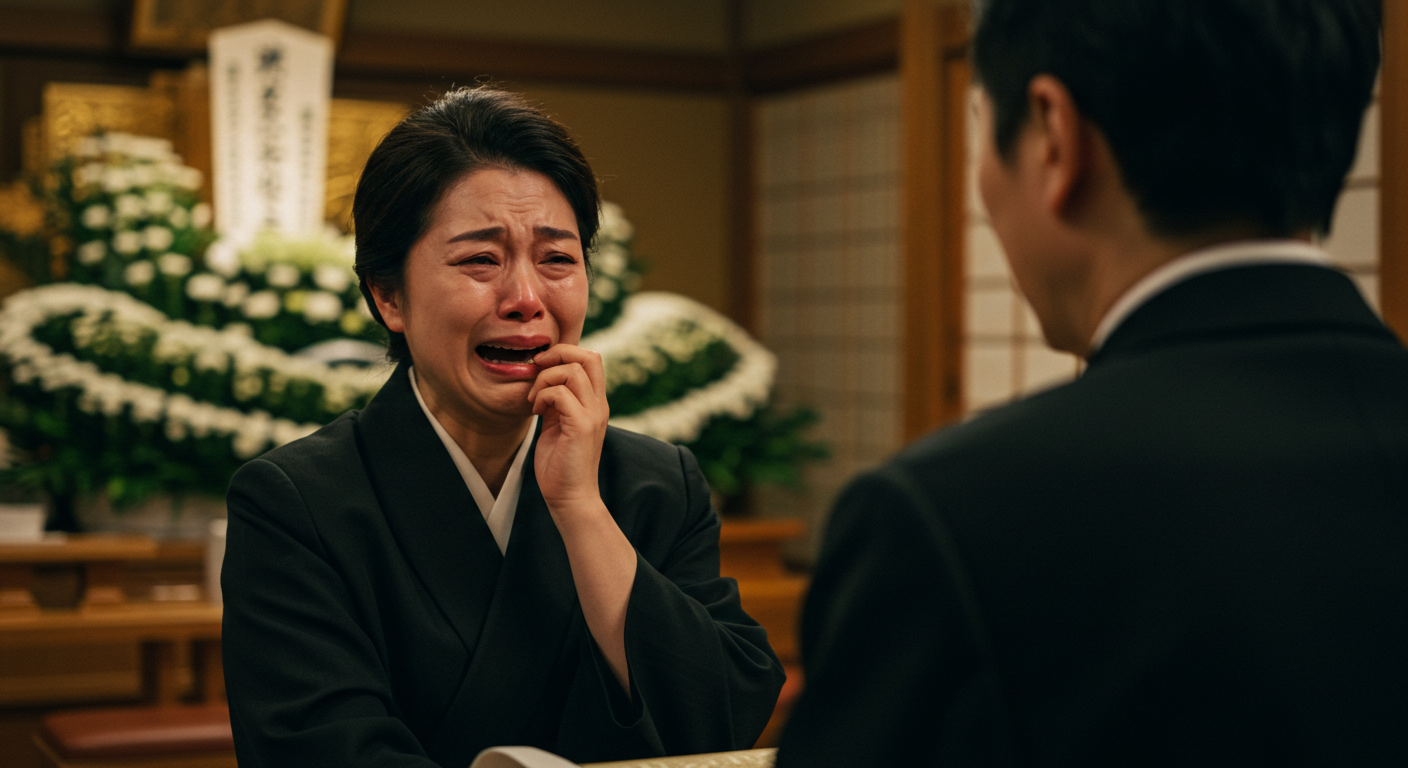
Professional mourners do more than cry for pay, they are skilled performers who shape the emotional tone of a funeral. According to the Asia Society, they lead rituals, recite prayers, and sing dirges, amplifying collective grief. In some cultures, they ensure the deceased is honored properly, especially when families are too overwhelmed to express sorrow themselves.
These mourners act as emotional guides. Their wails signal the start of mourning; their songs evoke memories of the departed. In rural India, lower-caste women are sometimes hired by wealthier families to perform this role, their cries filling the void where stoicism might otherwise prevail. In the Philippines, plays like Criers For Hire depict mourners blending comedy and tragedy, helping families find catharsis.
The job demands deep empathy, cultural knowledge, and performance skill. Professional wailers must read the room, adapt to each family’s needs, and balance scripted rituals with genuine emotion. It’s heartbreaking work—but also healing.
Cultural Significance: Honoring the Dead, Healing the Living
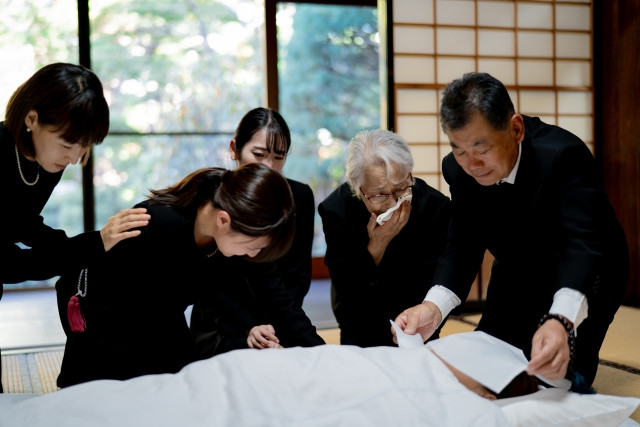
Hiring professional griever stems from traditions viewing death as a communal event. In many Asian societies, funerals are public ceremonies that reinforce bonds and honor the departed. According to Afterall, these mourners ensure “proper grief,” crucial for the deceased’s afterlife journey and the community’s closure.
In Japan, where 90% of funerals follow Buddhist rites despite growing secularism, rituals like matsugo-no-mizu (final water for the dead) and kotsuage (bone-picking during cremation) reflect deep spiritual and social duties. Though less common today, professional mourners historically heightened these ceremonies’ emotional weight, ensuring even small families met mourning expectations.
Globally, similar practices exist. Ancient Egyptian “wailers” lamented pharaohs’ deaths, their cries meant to appease gods. In Ghana, mourners perform vibrant dirges, turning funerals into celebrations of life. These traditions reveal a universal truth: grief needs an outlet, especially in societies that suppress public emotion.
Professional mourners also mediate grief in cultures like Japan, where stoicism is valued. They let families mourn indirectly, a vital service in super-aging societies where loneliness complicates loss.
Historical Roots: From Ancient Rituals to Modern Adaptations
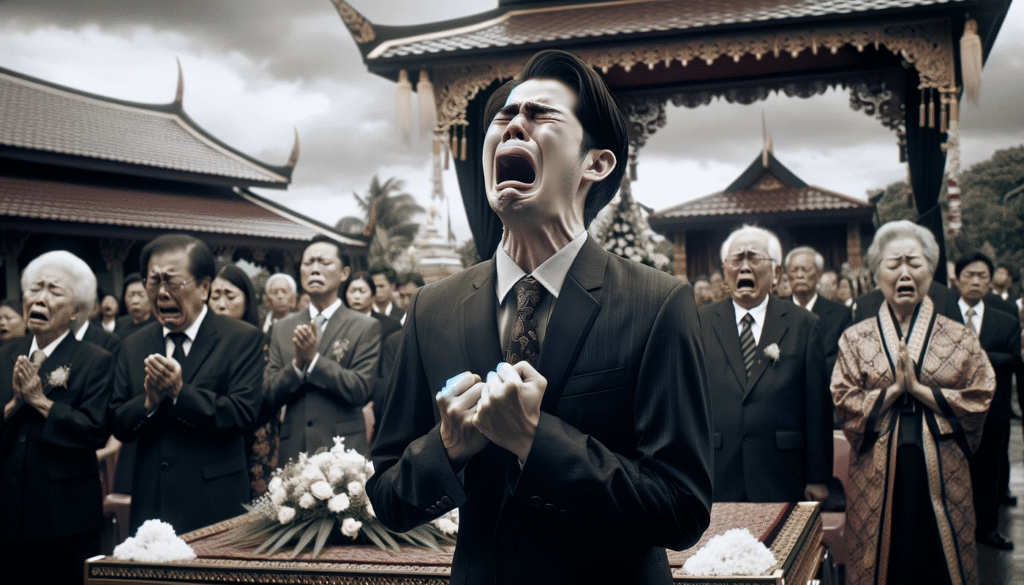
The tradition of professional mourners spans millennia. Chinese records from 1877 describe hired mourners, a practice likely influencing neighbors like Japan. During the Heian Period (794–1185 CE), Buddhist and Confucian funeral rites formalized mourning in Japan. By the 15th century, Zen priests adapted Chinese rituals for the public, making elaborate funerals mainstream.
Historically, women dominated the role, tied to stereotypes of female emotionality. In India, lower-caste women mourned for wealthy families, a gendered, classed practice persisting in some regions.
Today, the profession evolves. In Japan, “funeral capitalism” commercializes death, with packages sometimes including hired mourners. The pandemic shrank ceremonies, leading some to hire mourners virtually. In cities, the practice fades but endures for those without family.
Global Parallels: A Shared Human Need
Professional mourners aren’t unique to Asia. Mexican lloronas weep at funerals, blending indigenous and Catholic traditions. Irish keeners sang laments to guide souls. These customs highlight a shared human impulse to ritualize grief.
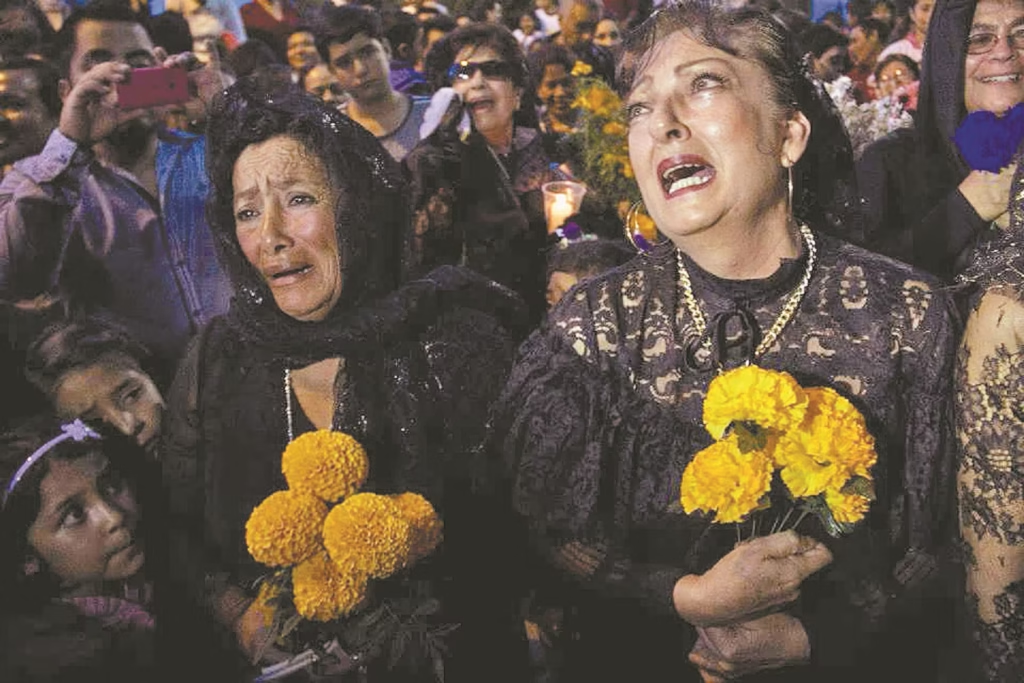
Yet modernization threatens the tradition. South Korea’s funeral industry now favors directors over traditional mourners. Japan’s shūkatsu (end-of-life planning) trend reflects a shift toward practical, individualized death care. Still, rural and traditional communities keep the practice alive.
The global funeral industry, projected to hit $102 billion by 2026, may yet preserve professional mourners, especially in collectivist cultures valuing ritualized grief.
Stories of Sorrow and Strength
Consider Mei, a Chinese griever who learned the craft from her mother. “It’s not just crying,” she says. “It’s giving families permission to feel.” Her work underscores the emotional labor and cultural preservation inherent in the role.
In the Philippines, the play Criers For Hire explores a mourner’s struggle to cry on cue, revealing her own buried grief. The story mirrors real tensions between tradition and modernity.
A 2019 Kyoto University study found that funerals with professional wailers reduced grief-related health issues. One family said a mourner’s prayers made them “feel connected to ancestors,” proving the practice’s psychological power.
The Future of Professional Mourning
The profession faces challenges, stigma, urban decline, and gender inequity. Yet, as mental health awareness grows, they may gain recognition as grief facilitators. In aging societies like Japan, their role in communal healing could even benefit public health.
Innovations like virtual mourning and grief coaching may reshape the tradition, blending ancient customs with modern needs.
A Heartbreaking Yet Necessary Tradition
They remind us that grief is universal and its best faced together. Their wails and songs bridge the living and the dead, past and present. In a world that often hurries past sorrow, they offer a sacred pause to honor loss.
So next time you hear of a hired crier, don’t see it as odd. See it as proof that even in our darkest moments, we need each other. And that’s heartbreakingly beautiful.
Leave a Reply