The word Shinto is a Japanese language as it is often referred to as “the way of the gods,” is the indigenous spiritual tradition of Japan Rooted in ancient customs, rituals, and a profound respect for nature. One of the major things is that Shintoism has shaped Japanese culture and even identity for centuries now.
Unlike many other world faiths, has no formal texts or a single founder, resulting in a distinct spiritual heritage that integrates smoothly with daily living, national festivals, and even modern behaviors.
Origins and Core Beliefs of Shinto
Shintoism is thought to have started in Japan’s primordial period, growing from animistic beliefs that saw natural elements as deities. The word “Shinto” is derived from the Chinese characters “Shen” (divine energy) and “Tao” (way), stressing the spiritual aspect.
At the core of Shinto is the belief in kami, which are spirits or deities that inhabit natural elements such as mountains, rivers, trees, and even human ancestors. Kami are not omnipotent beings but rather sacred forces that must be respected and harmonized with for prosperity and protection. Unlike monotheistic religions, Shintoism does not emphasize salvation or an afterlife; instead, it focuses on purity, harmony, and the connection between humans and the natural world.
Shinto Practices and Rituals
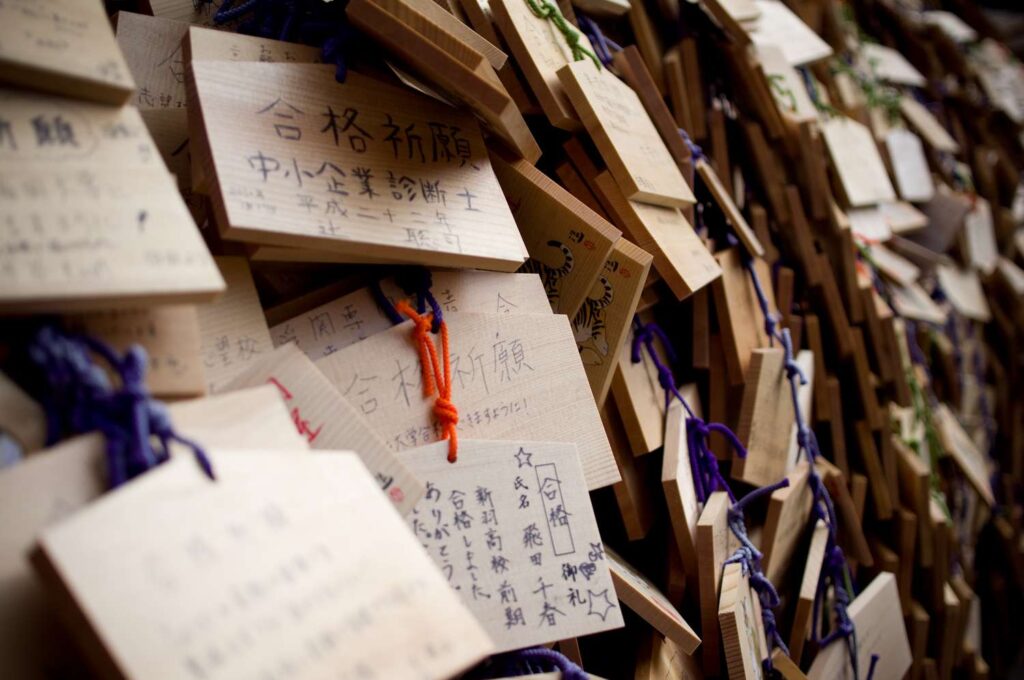
The way of the gods worship is centered around shrines, known as jinja, which serve as sacred spaces dedicated to kami. Visitors to the shrine engage in purification rituals before approaching the main shrine building. This usually involves washing hands and mouth at a temizuya (water purification basin) and bowing or clapping to show respect to the kami.
Common Shinto rituals include:
- Hatsumōde: The first shrine visit of the New Year, where people pray for health, happiness, and prosperity.
- Shichi-Go-San: A festival celebrating children aged three, five, and seven, where families visit shrines to pray for their well-being.
- Omamori and Ema: Omamori are protective amulets, while ema are wooden plaques where visitors write prayers and wishes before hanging them at shrines.
- Matsuri (Festivals): Shintoism is deeply tied to seasonal festivals that celebrate kami, such as the Gion Matsuri in Kyoto and the Kanda Matsuri in Tokyo. These festivals feature processions, traditional music, and offerings to deities.
Shinto priests, called Kannushi, oversee shrine ceremonies and conduct purification rites. However, it does not have a strict priesthood hierarchy, and many rituals can be performed by lay practitioners.
Shinto and Nature: A Sacred Connection
Shintoism places immense importance on nature, seeing it as a reflection of divine presence. Sacred trees, waterfalls, and mountains often have shimenawa, rope decorations that signify the presence of kami. One of the most famous natural sites is Mount Fuji, revered as a sacred peak embodying divine energy. Environmental conservation aligns with the way of the kami’s reverence for nature. Many shrines maintain pristine forests and natural areas, reflecting the belief that humans should coexist with the environment rather than dominate it.
Shinto and Japanese Culture
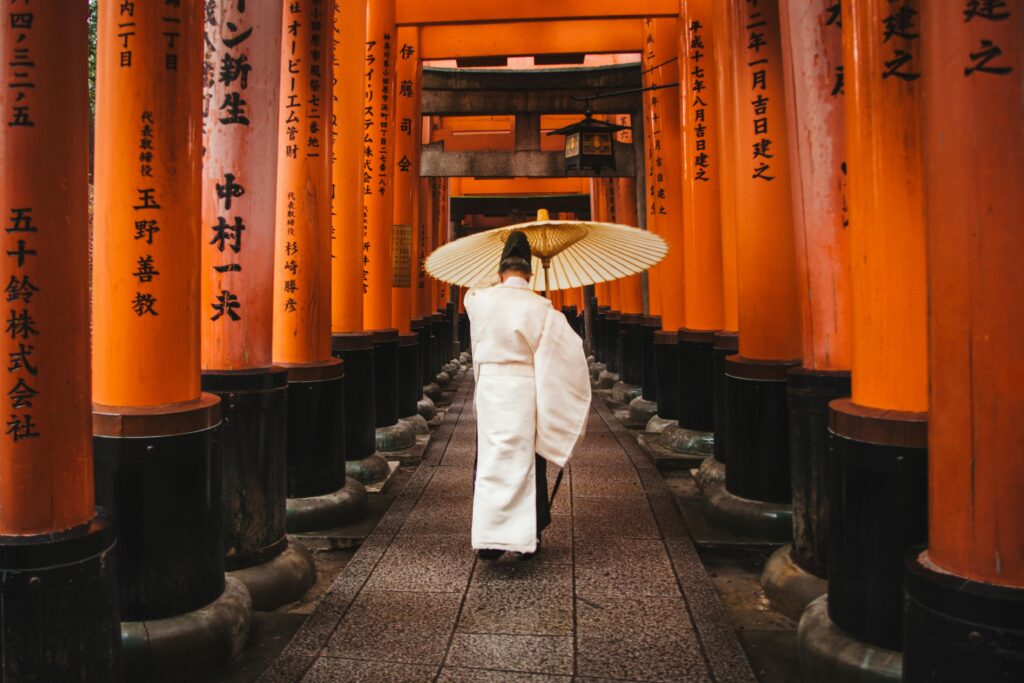
Shintoism is deeply embedded in Japanese culture, influencing art, architecture, and even national identity. Torii gates, the symbolic entrance to shrines, are one of the most recognizable aspects of Japan’s landscape. These structures represent the transition from the mundane to the sacred.
The way of the kami also intertwines with traditional Japanese customs such as:
- Sumo Wrestling: Sumo has Kodō roots, with matches often beginning with purification rituals performed by referees dressed in priestly attire.
- Tea Ceremony: The Japanese tea ceremony incorporates Shintoism ideals of purity and harmony, emphasizing mindfulness in everyday life.
- Imperial Connection: The Japanese imperial family traces its lineage back to Amaterasu, the sun goddess, reinforcing the way of the kami’s role in state traditions.
Shinto in the Modern Era
Despite modernization, the way of the kami remains a vibrant part of Japanese society. While fewer people identify as exclusively Shinto, many still participate in the rituals and festivals. Weddings, New Year celebrations, and milestone events often include blessings. During times of crisis, such as natural disasters, people turn to Kodō shrines for guidance and comfort. The way of the kami’s adaptability has allowed it to coexist with Buddhism, leading to a unique blend of religious practices in Japan.
It is more than a religion; it is a way of life that embodies Japan’s spiritual, cultural, and environmental values. Its emphasis on nature, purity, and tradition continues to shape Japanese identity, offering a timeless connection between the past and the present. Whether through a serene shrine visit, a lively festival, or simple acts of respect toward nature, Shintoism remains a fundamental thread in the fabric of Japanese life.
Read More: Teachers in Japan: Salaries, Challenges, and Unwavering Cultural Respect
Leave a Reply