The most famous Japanese word students learn first is 先生. This is because many people travel to Japan to study or teach Japanese and encounter the word daily.
先生 usually attaches to the family name. Yamada-sensei would be how you refer to a teacher named ‘First name’ Yamada. However, Japanese people know that foreigners use their first names, so ‘sensei’ is usually attached to the first name of foreign staff.
Although sensei might seem easy – just attach it, and that’s it! – but if you examine it in its basic Japanese, you will see some of its more complex uses.
先生 = 先 (previously) + 生 (born).
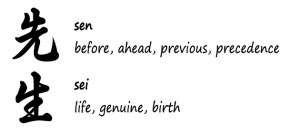
This is a simple breakdown of 漢字 (Chinese origin character), which explains some of the other uses for 先生, as it can often refer to someone who has preceded you in experience.
For example, a doctor who is treating you for a condition might know more than you do about medicine. Therefore, you may refer to them as 先生. On the other hand, you can sometimes call a lawyer; 先生 because they have a more excellent knowledge of law than most people.
Martial arts are another place where 先生 is very common. Martial arts such as karate require rank to be strictly maintained. Practitioners are awarded belts with different colors to indicate their seniority or juniority.

Senior instructors will expect to be called 先生
The 先生 breakdown helps us to understand some of its limitations. One example is a high school student tutoring a junior at their school to make extra money. A high school student is likely the same age as a tutoring student. They don’t use 先生 because they don’t have enough differences in status and age.
Another example is when a veteran company employee shows a junior staff member who just joined the company. It would be awkward to call someone with long experience at the company 先生. In such situations, Japanese people use a similar term 先輩. The word is identical to the previously (先) Chinese character, but the second character is 輩 (comrade/person within the same group).
先輩 refers to senior members of the same company as you. This word is essential for Japanese learners looking to work in Japan. You may be able later to use 後輩 to talk about people in your company.
We’ve only covered the most common uses of 先生 so far. However, there are some unusual uses where the learning is not as clear. Senior politicians are sometimes titled as such to show respect.

The thing being ‘taught” can be abstract as well. Don’t we all learn something from the writings of great writers like Murakami or Ishiguro? It is not unusual to find the suffix 先生 added to the names of great artists.
先生, who teaches their followers the truth about the world, is even more abstract. 先生, a Japanese religious leader, is often attached to those who are more advanced than one in their faith.
Most of us will use 先生 for most purposes even if we don’t know the person’s name. Using any other form of address would be inappropriate. Are you unable to remember the name and address of the doctor you have seen for years? You don’t have to worry about it, and a sincere sensei will suffice. Even after many nights of drinking, you still don’t know the name of your karate teacher.
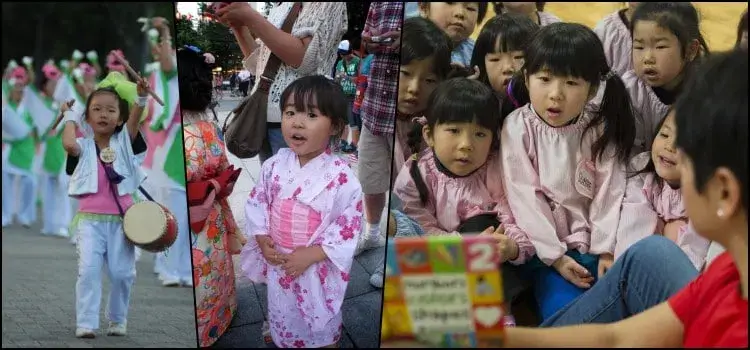
Don’t worry; 先生 is here to help!
Using sensei
Learning how to use 先生 is a valuable skill for Japan. Don’t fret if you make mistakes, as Karate Kid demonstrated (That should have been Miyagi-sensei Daniel!), the suffix ‘san’ is a polite suffix that is attached to the name or title of the person you’re talking to, or sama, which is usually used to refer to highly respected people, will suffice.
Leave a Reply