Japanese castles, or shiro (城), stand out as distinctive architectural marvels originally built for military defense, but they also functioned as administrative centers and symbols of power.
These castles, famous for their elegant multi-tiered roofs with sweeping curves, intricate wooden structures on imposing stone bases, and complex defensive layouts, seamlessly harmonize with the natural landscape. Unlike European stone fortresses, Japanese castles combine aesthetic elements such as upward-curving eaves and ornate roof decorations, effectively blending beauty with function. Historically, they served as military strongholds and administrative centers, symbolizing the power of feudal lords (daimyo) and playing pivotal roles in Japan’s feudal era. Today, millions of tourists visit well-preserved examples like Himeji Castle, Matsumoto Castle, and Osaka Castle. These castles appear frequently in films, literature, and art, highlighting their enduring cultural and historical significance.
Japanese castles and their walls showcase remarkable advanced engineering and architectural ingenuity. Here are some fascinating facts and hidden engineering truths about them:
1. Sophisticated Defense Mechanisms
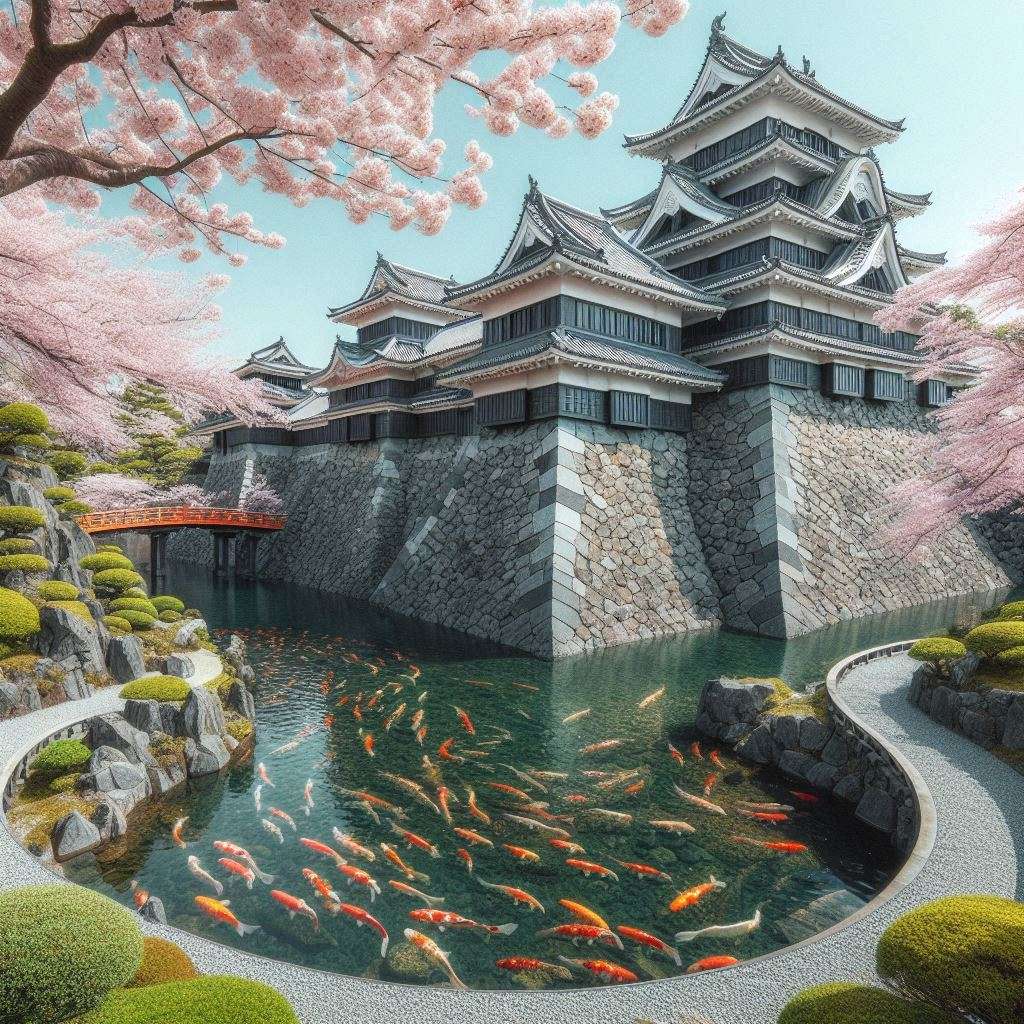
Curved Walls (Musha-gaeshi):Walls of Japanese castles often curve outward at the base to prevent enemies from scaling them easily. This design makes it harder for attackers to climb using ladders.
Steep Angles (Sori): Walls were built at steep angles, increasing the difficulty for invaders to approach and ascend. The steeper the angle, the more difficult it becomes for attackers to climb.
Hidden Traps (Abumi-yarai): Entrances and stairways inside the castle often included hidden traps to surprise and hinder intruders. These could include sudden drops or concealed weapons.
2. Ingenious Construction Techniques
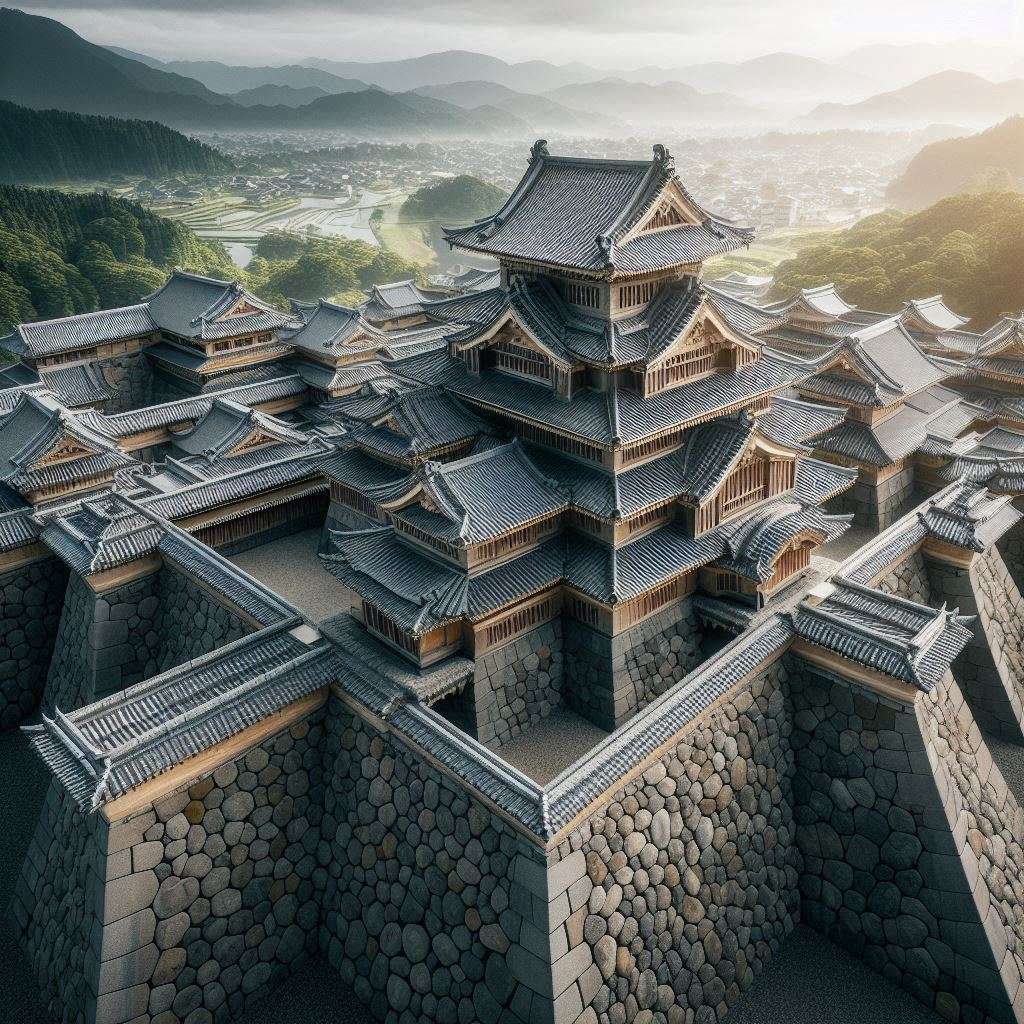
Interlocking Stones (No Mortar): Many Japanese castle walls used an interlocking system of stones, often without mortar. This allowed the walls to be flexible and absorb shocks from earthquakes. This method is known as Aishi or Nozura-zumi.
Castle Foundations (Ishigaki): Foundations were built using massive, precisely cut stones, often from local quarries. These stone bases provided stability and helped protect the structures from seismic activity.
3. Advanced Architectural Design
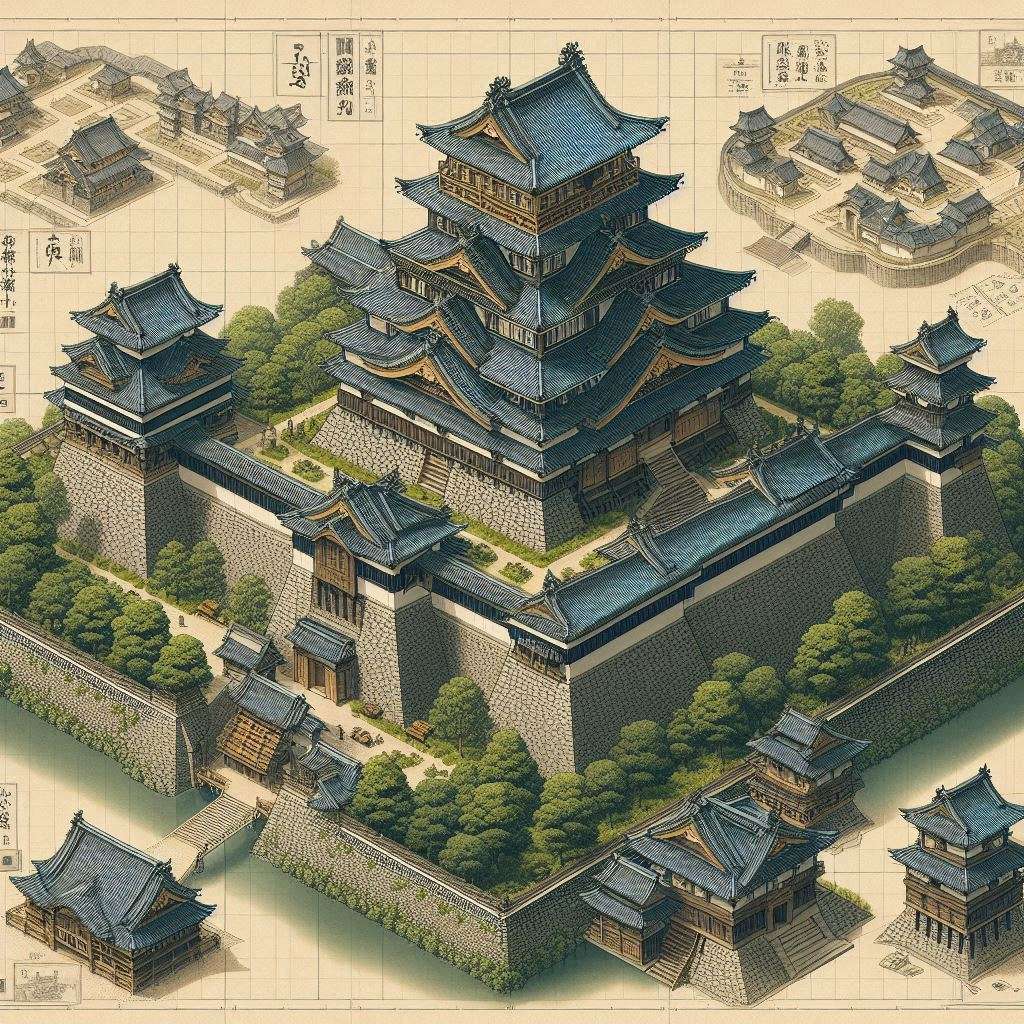
Complex Layouts: Castles featured labyrinthine layouts with multiple gates, corridors, and courtyards to confuse and slow down attackers. This design is known as Sogamae.
Yagura (Watchtowers): Castles were equipped with watchtowers, or yagura, which served as lookout points and defensive strongholds. They often had multiple floors and were equipped with various defensive features like arrow slits and gun ports.
Castle Keeps (Tenshu): The main keep or tenshu of a castle was often an imposing structure, designed to be both a residence and a final defensive stronghold. They were constructed with heavy wooden beams and multiple layers of walls for added defense.
4. Adaptation to Environment
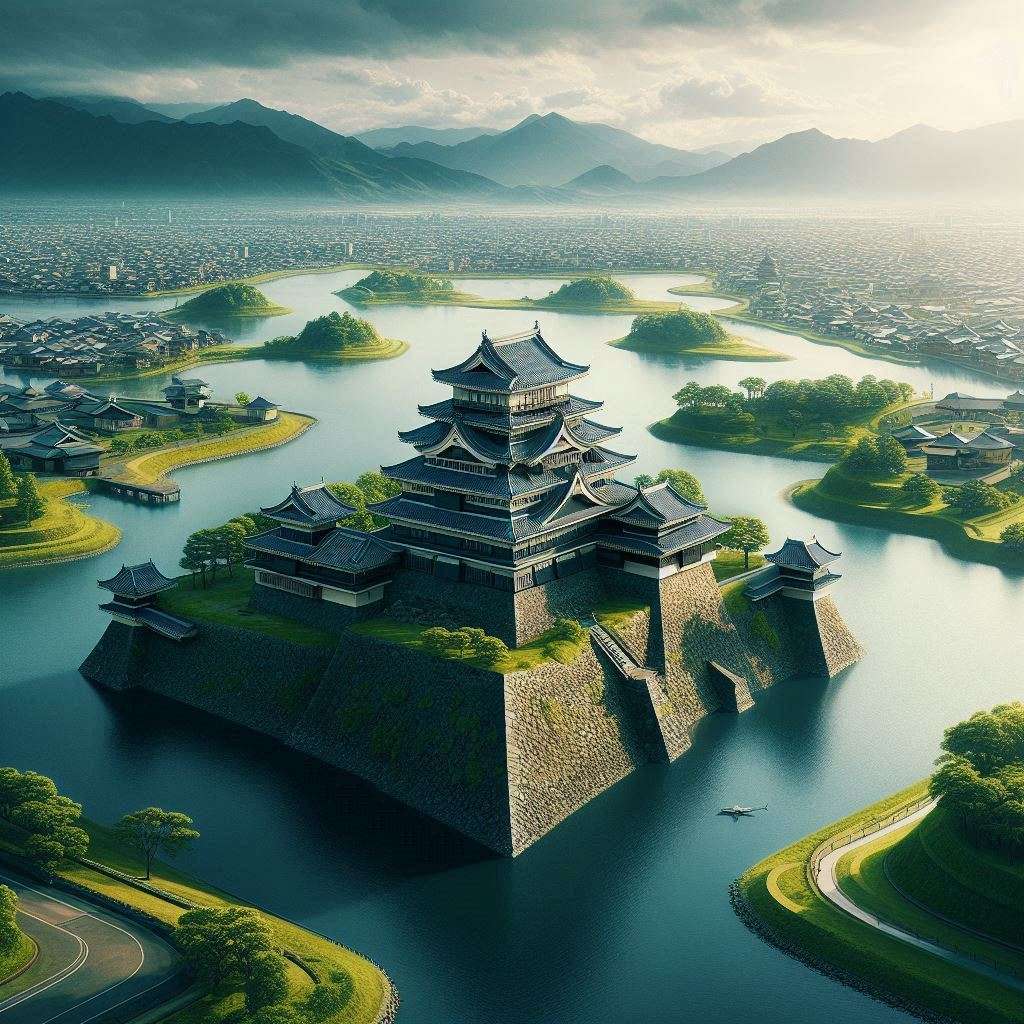
Strategic Locations: Castles were often built on elevated terrain, such as hilltops or mountain ridges, providing a natural defense advantage. These locations also offered strategic views of the surrounding area.
Water Features (Moats): Moats, both dry and filled with water, surrounded many castles. They served as physical barriers to delay attackers and protect the castle walls from direct assault.
5. Cultural and Symbolic Aspects
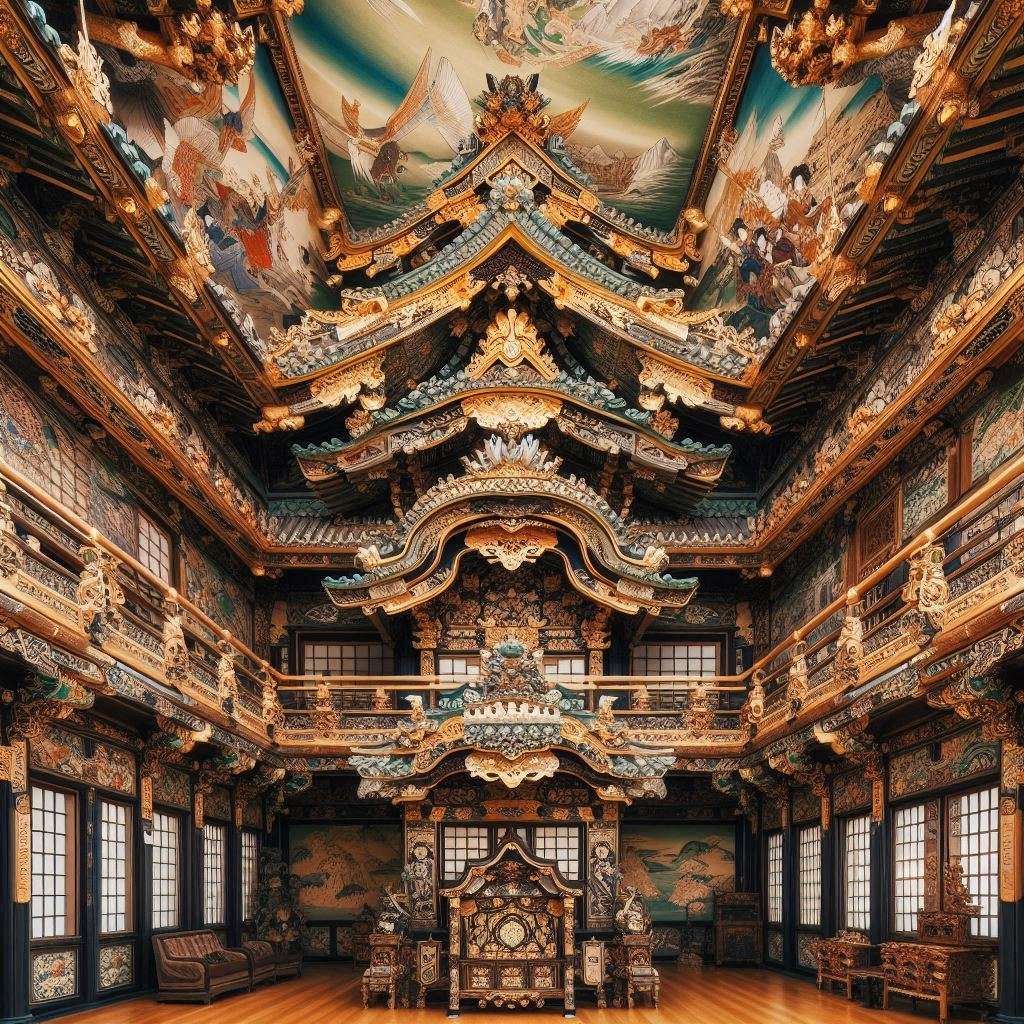
Ornate Roofs: Castle roofs often featured intricate designs and symbolic elements, such as shachihoko (tiger-headed carp), which were believed to protect against fire.
Astounding Interiors: Despite their defensive exteriors, castle interiors were often luxurious, with beautifully decorated rooms, intricate woodwork, and painted screens.
Examples:
– Himeji Castle: Known for its brilliant white plastered walls and complex network of paths leading up to the main keep, designed to disorient attackers.
– Matsumoto Castle: Built on a flat plain rather than a hill, it employs extensive moats and a series of interlocking walls for defense.
– Kumamoto Castle: Features extensive stone walls and innovative construction techniques to maximize defense against siege attacks.
Japanese castles reflect a blend of practical military engineering and sophisticated architectural artistry, optimized for both defense and cultural significance.
Leave a Reply