Tucked away in the heart of Tokyo is a coffee shop unlike any other. Known as the Dawn Avatar Robot Café, this spot has captured attention not just for its futuristic appeal but for the powerful story behind it. At first glance, customers are welcomed and served by sleek humanoid robots called OriHime-D. But what truly sets this place apart isn’t just the tech—it’s the purpose.
This robotic serving cafe in Japan is more than a novelty. The robots are remotely operated by individuals with disabilities or severe physical conditions who may otherwise struggle to leave their homes or find meaningful work. Through real-time control, these workers interact with customers, take orders, and create genuine human connections—all through their robot avatars.
In a city that blends tradition with innovation, the Dawn Avatar Robot Café is leading a quiet revolution in inclusion and accessibility. It’s a shining example of how a robotic serving cafe in Japan can go beyond automation to deliver empathy, purpose, and empowerment.
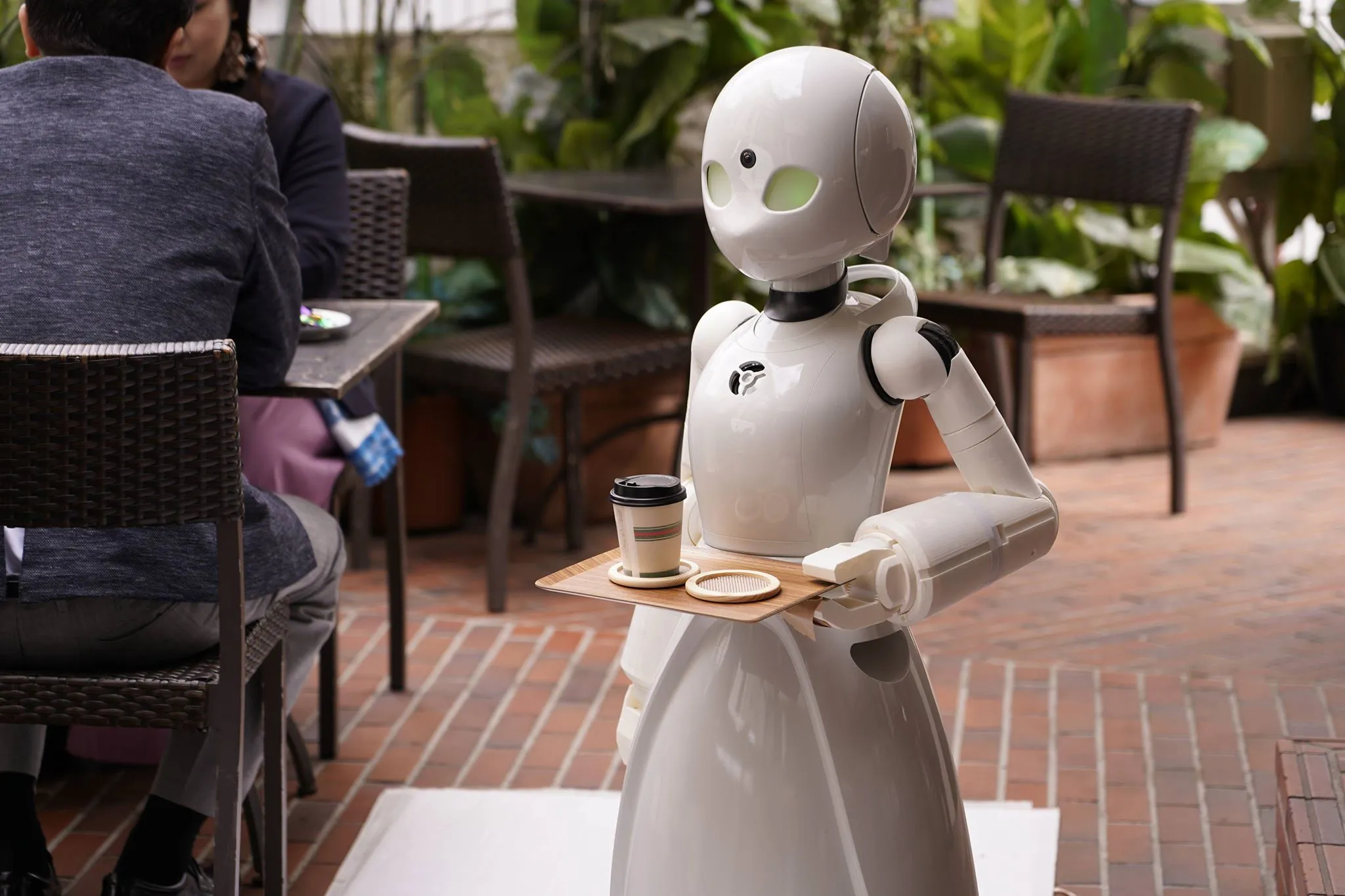
These robots are operated remotely by disabled individuals—many of whom are housebound due to situations like (amyotrophic lateral sclerosis), ALS, spinal cord injuries, or long-term conditions. From their homes, these workers control the robots via eye-tracking software or tablets, interacting with customers, taking orders, and even holding conversations. The robotic serving cafe in Japan is not just serving coffee—it’s serving dignity, purpose, and connection.
One of the most remarkable aspects of the robotic serving cafe in Japan is its dedication to creating real employment opportunities for people who often face significant barriers to traditional work. In many societies, disabled individuals are sidelined by physical inaccessibility, social stigma, and limited accommodations in the workplace. By giving these individuals the tools to participate remotely, the cafe is redefining what employment can be. Workers earn wages, develop communication skills, and engage with a public they might otherwise be isolated from. For many, this job is not only a source of income but also a lifeline of social interaction and emotional well-being.
The Vision Behind the Project
The cafe was developed by Ory Laboratory, founded by Japanese roboticist Kentaro Yoshifuji. Inspired by his own experiences with isolation during a childhood illness, Yoshifuji envisioned technology not just as a tool of automation but as a bridge to inclusion. He believes that people who cannot physically be present can still contribute meaningfully to society. The robotic serving cafe in Japan is a manifestation of that belief—a place where innovation supports human connection rather than replacing it. As automation and AI continue to change the nature of work, the conversation often centers on what jobs will be lost.
But the robotic serving cafe in Japan turns that narrative on its head. It bring a new forms of work that are accessible, flexible, and empowering instead of eliminating more jobs. This model could have wide-reaching implications. In most countries with aging populations, like Japan, the need for inclusive employment strategies is urgent. The elderly and disabled make up a growing portion of the workforce, and innovative solutions like robotic avatars may become essential for economic sustainability.
Customer Experience with a Heart

Customers don’t just come for the novelty—they come for the meaningful experience. Many are touched by the opportunity to interact with the human pilot behind the robots. Nonetheless, a unique dynamic bond is created by personalized service, kind greetings, and brief discussions. Some consumers view their visit to the robotic serving cafe in Japan as more than just a coffee break; it serves as a potent reminder of human cooperation, technology, and resiliency. Both pilots and passengers experience a genuine emotional feedback loop in which they feel appreciated.
Technology That Listens and Learns
The robots used in the cafe are not static tools. They are constantly being improved through feedback and interaction. The developers work closely with the remote pilots to enhance functionality—making the interface more user-friendly and responsive to different types of disabilities. This kind of iterative development, grounded in lived experience, ensures that the robotic serving cafe in Japan remains a model of thoughtful and ethical tech design. It’s an ongoing conversation between engineers, operators, and customers—each contributing to a more inclusive world.
Japan, like many countries, has wrestled with how to create more inclusive public spaces. While physical accessibility has improved in recent years, social inclusion still lags. The robotic serving cafe in Japan addresses both fronts: it is physically inclusive by removing the need for on-site presence and socially inclusive by facilitating human interaction. This model can also help shift public attitudes about disability. When customers interact with friendly, competent pilots who happen to be disabled, it challenges stereotypes and promotes empathy. Every cup of coffee becomes an opportunity for awareness and connection.
Economic Impact and Expansion
The impact that affects economic innovations is worth nothing. By bringing more people into the workforce, even remotely, the robotic serving cafe in Japan helps reduce dependence on social welfare and boosts individual economic independence. The pilot model has already inspired discussions in other sectors—from customer service to education and healthcare.
There are also plans to expand the cafe’s reach. Temporary pop-ups, corporate partnerships, and international collaborations are in the pipeline. The goal is to demonstrate that this isn’t a one-time project—it’s a scalable solution for a global challenge.
Global Recognition for Robotic Serving Cafe in Japan
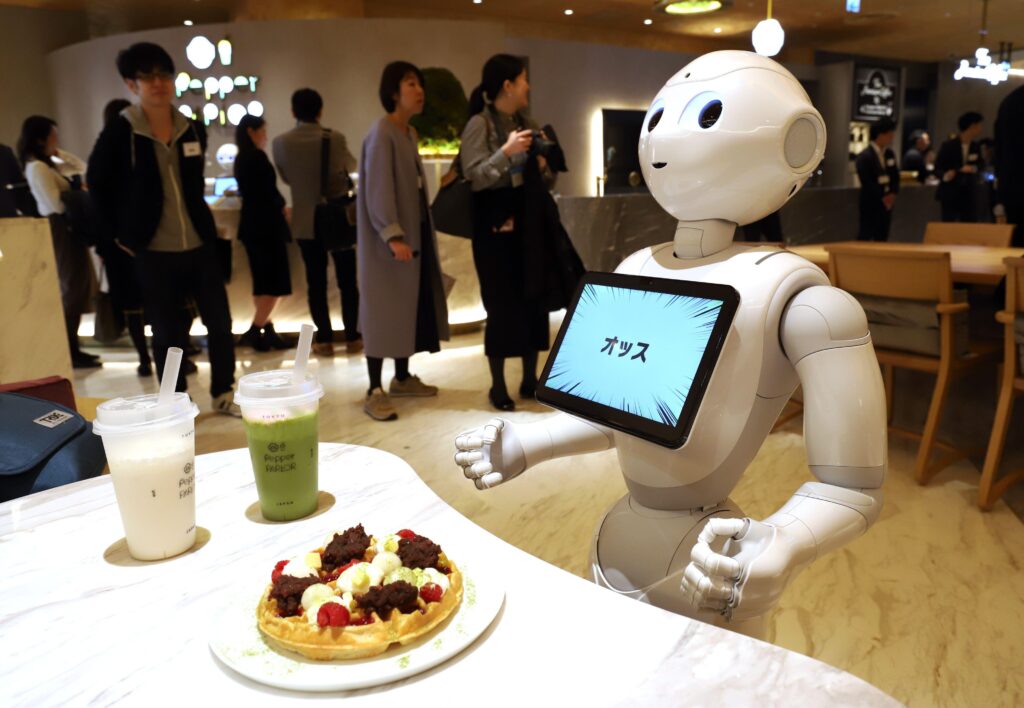
The robotic serving cafe in Japan has received praise from people all over the world, including those who support human rights, ethical innovation, and disability inclusion, in addition to tech enthusiasts. It has been highlighted as a ray of hope and opportunity in documentaries, scholarly works, and international media. By offering a real-world solution that’s both profitable and purposeful, the cafe proves that innovation doesn’t have to come at the cost of humanity. In fact, the two can go hand in hand.
Read More: How Japan’s Smart Farms Use AI and Robots to Grow Perfect Strawberries
Leave a Reply