When it comes to Japanese cuisine, mushrooms like Shiitake and Shimeji are celebrated worldwide for their unique flavors and health benefits. But did you know that Japan produces a staggering 450,000 tons of fungi annually, contributing to a 200-billion-yen industry? These earthy delicacies are not just a culinary staple—they’re a cultural and economic force deeply rooted in Japanese history.
From ancient poetry to modern science, fungi have played a vital role in Japan’s diet, traditions, and innovations. Let’s explore the fascinating world of Japan’s mushrooms, from their historical significance to their health benefits and the secrets behind their cultivation.
A Staple in Japanese Life
According to Japan’s Ministry of Internal Affairs and Communications, the average Japanese family consumes 12.8 kilograms of mushrooms annually. This isn’t surprising, given their versatility and nutritional value. Fungi have been part of Japanese culture since at least the 7th century, when they were mentioned in the famous poetry anthology Man’yōshū.
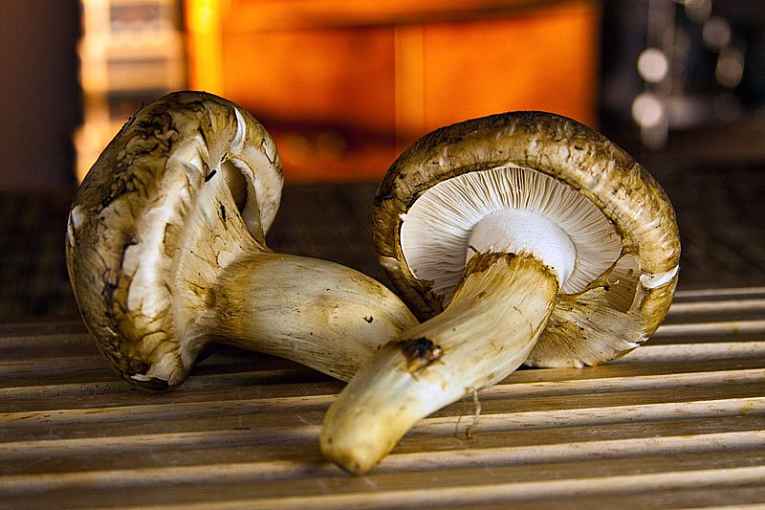
While varieties like Shiitake, Enoki, Eryngii, Shimeji, and Maitake are abundant in markets, the most prized mushroom is the Matsutake. Known as the “king of mushrooms,” Matsutake grows only in autumn and is highly sought after for its rich, pine-like aroma. Fresh Matsutake can fetch between 1,500 and 7,000 yen per piece, making it a luxury ingredient. During the season, people flock to mountains to forage for this golden treasure or queue at renowned restaurants to savor dishes like Dobin-Mushi, a delicate seafood broth infused with Matsutake.
Health Benefits: More Than Just Flavor
Dr. Etsuko Harada, a mycology expert at the Iwade Mycological Institute in Mie Prefecture, emphasizes that mushrooms are not just delicious—they’re also incredibly healthy.
Growing up surrounded by Shiitake cultivated by her family, Dr. Harada developed a deep fascination with fungi. Although she didn’t appreciate their taste as a child, she pursued a degree in agronomy to study their benefits. Today, she holds patents for fungal-based technologies used in cancer treatment and is developing innovative mushroom-based recipes, including mushroom desserts.
According to Dr. Harada, mushrooms are packed with vitamin D, fiber, and antioxidants, while being low in calories. They also help regulate blood sugar levels, making them a powerhouse of nutrition.
The Evolution of Fungiculture
For millennia, the Japanese foraged for wild mushrooms, a risky endeavor given that some species are deadly. The turning point came during the Edo period (1603–1868), when a coal producer noticed Shiitake growing in forests used for charcoal production. This discovery marked the beginning of controlled mushroom cultivation.
The real breakthrough, however, came in the 20th century. In 1926, Dr. Inosuke Iwade pioneered the cultivation of mushrooms in jars, documenting his techniques in the book Fungi Cultivation Technique. His work inspired Dr. Kisaku Mori, who in 1942 developed a method to cultivate mushrooms using mycelium-implanted wood. This innovation revolutionized Japan’s mushroom industry, laying the foundation for modern fungiculture.
Today, home cultivation kits are widely available, but caution is essential. While many mushrooms are beneficial, others can be deadly if misidentified.
Why Fungi Matter
Japan’s fungi are more than just food—they’re a symbol of the country’s connection to nature, tradition, and innovation. From ancient poetry to cutting-edge medical research, mushrooms have shaped Japanese culture in profound ways.
Whether you’re savoring a bowl of Shiitake miso soup or indulging in the luxury of Matsutake, mushrooms offer a taste of Japan’s rich heritage and its forward-thinking spirit.
Did You Know?
- Matsutake mushrooms can sell for over $1,000 per kilogram during peak season.
- Japan’s mushroom industry employs over 50,000 people, from farmers to researchers.
Are you a mushroom lover ? Share your favorite mushroom dishes or cultivation tips in the comments below! Don’t forget to subscribe to our newsletter for more fascinating insights into Japanese culture and cuisine.
Leave a Reply