In the wake of two serious traffic accidents involving foreign drivers, Japan is taking a closer look at how overseas driving licenses are converted for use in the country. While this may seem like a procedural issue, it reflects deeper questions about road safety, immigration trends, and how Japan adapts to a growing international population.
The recent incidents that sparked this national conversation occurred in May 2025. One was a hit-and-run near Tokyo, where four elementary school children were injured. The other was even more alarming — a car drove the wrong way on an expressway in central Japan for over 10 kilometers, causing multiple collisions. Authorities have since confirmed that the drivers in both cases held foreign licenses that had been converted into Japanese ones, prompting widespread concern over whether the conversion system is still effective in ensuring public safety.
How Foreign Drivers Legally Hit the Road in Japan
There are several legal routes for foreigners to drive in Japan. Those visiting short-term — for instance, tourists — can use an International Driving Permit (IDP), provided it’s issued under the 1949 Geneva Convention. Citizens from countries like Germany, Switzerland, and France can drive with their home licenses if accompanied by an official Japanese translation. For those staying long-term, converting their foreign licenses into Japanese ones is often the most practical option. Otherwise, they must go through Japan’s rigorous written and practical driving exams, much like local residents.

Interestingly, the conversion system is not new. It was introduced in 1933, originally intended for Japanese nationals returning from abroad who needed to revalidate their foreign-issued licenses. Today, however, it serves a much broader audience. In fact, in 2023 alone, 60,010 foreign licenses were converted — nearly double the figure from a decade ago.
The procedure itself is fairly straightforward. Applicants must present key documents including their foreign license, passport, and a residence certificate (jūminhyō). If their home country is not on Japan’s exemption list — a group of 29 countries and territories — applicants must also pass a basic written test and a short practical driving assessment. In 2023, roughly 90 percent of applicants passed the written test, but only 29 percent passed the practical one.
Are Loopholes Undermining Road Safety?
Despite the system’s structure, concerns are growing that it’s too lenient in its current form. One key criticism is the simplicity of the written test. With just 10 true-or-false-style questions, it may not adequately assess whether a driver truly understands Japanese road rules and safety expectations. For context, Japan has one of the most disciplined driving cultures in the world — traffic signs, driving etiquette, and even road layouts can be quite different from those in many other countries.
Furthermore, politicians like Onodera Itsunori, head of the Policy Research Council of the ruling Liberal Democratic Party, have pointed out loopholes in how residency status is handled during the application process. In some cases, short-term visitors on tourist visas have reportedly used hotel addresses to apply for full Japanese licenses. This has raised serious questions about the authenticity of their intent to stay and comply with local regulations.
Onodera recently visited a Tokyo Driver’s License Center to observe the conversion process firsthand. He acknowledged that while the system was originally designed with Japanese returnees in mind, the rapid increase in foreign applicants has introduced challenges the original framework wasn’t designed to address.
What’s Next for the License Conversion System?
In response to mounting concerns, the National Police Agency (NPA) has begun reviewing the system. Some of the proposed changes include requiring all applicants to submit verified copies of residence certificates as a standard, not just a recommendation. There are also discussions about expanding the written test to include more comprehensive questions, making it harder to pass without a deep understanding of local traffic laws.
The LDP’s internal committee has echoed these calls, urging swift government action to reform the process before more accidents occur. While there’s no confirmation yet on when or how changes will be implemented, the policy conversation suggests a shift toward stricter scrutiny for foreign drivers.
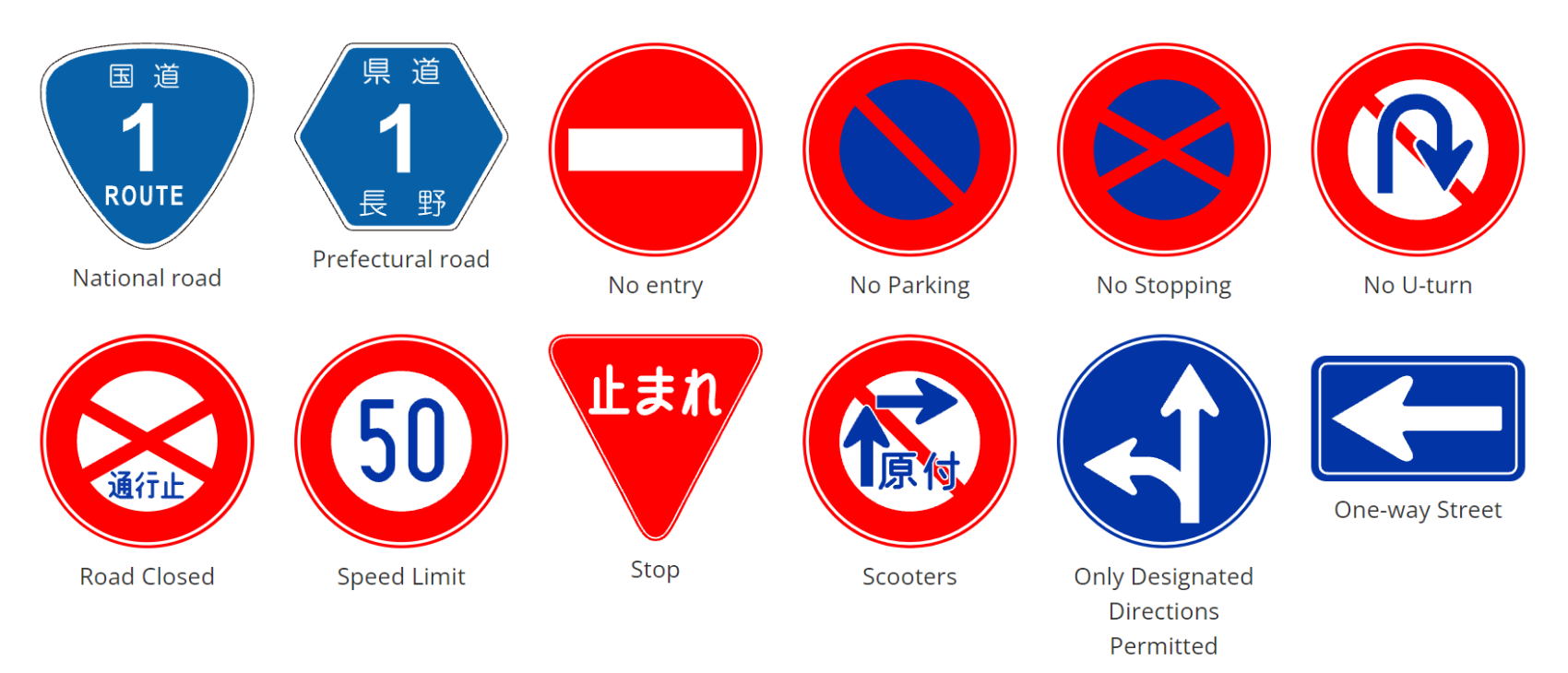
For many long-term residents in Japan, especially those from non-Geneva Convention countries like China and Vietnam, this development may affect their ability to drive. While the intent isn’t to limit foreign access to Japanese roads, the government’s clear priority is to uphold safety standards for everyone — both Japanese and non-Japanese alike.
Balancing Safety with Integration in a Globalizing Japan
This issue highlights a broader dilemma in modern Japan: how to maintain high standards of public safety while also adapting to a more international society. Japan is becoming home to a growing number of foreign workers, students, and families — all of whom participate in everyday life, including driving. Ensuring fair but firm regulations is essential not just for road safety, but for fostering trust and cooperation between local institutions and international communities.
As Japan moves to refine its system for converting foreign licenses, it may also be setting a precedent for how other systems — healthcare, education, and housing — might evolve in an increasingly global era.
If you’re a foreign resident in Japan, have you experienced the license conversion process? Was it straightforward, or did you find certain aspects confusing or outdated? Let us know your thoughts in the comments — your story could help others navigate the same road.
source:NHK
Leave a Reply