Loanwords, as the name suggests are words that have been transplanted from one language to another. Phrases such as déjà vu, je ne sais quoi, and joie de vivre are just a few examples of the hundreds of loanwords inherited from French.
Due to the global nature of English and its regrettable use as a tool of colonialism, the English language is rife with loan words from all corners of the world. For example words like pundit, jungle, shampoo and thug are borrowed from Hindi. The word trek comes from Afrikaans, and pajamas comes from Persian. There are even quite a few words that originally come from Japanese that may come as a surprise to many English speakers.
Many uniquely Japanese cultural and culinary words are readily understood by English speakers, such as haiku, bonsai, kabuki, sushi, hibachi, judo, karate, sumo, and zen. A second wave of Japanese words were brought back by soldiers after World War Two, such as kamikaze, banzai and harakiri (often called harry carry by Americans). A third wave of Japanese loanwords have come into use recently with the popularity of Japanese pop-culture such as anime, manga, otaku, emoji, and hentai. But there are actually many words that English speakers use everyday that originated in Japan.
Tsunami (津波)
For most, this word evokes images of massive, destructive waves capable of wiping out entire coastal areas. Tsunami is a compound of tsu (harbor) and nami (wave) in Japanese. While it specifically referred to large waves in harbors, in English, it has come to represent any colossal sea wave caused by underwater disturbances like earthquakes.
Haiku (俳句)
This word might evoke thoughts of nature, seasons, and emotions encapsulated in a brief poetic form. Haiku is a traditional Japanese poem with a 5-7-5 syllable structure, capturing profound moments with succinct, evocative imagery.
Emoji (絵文字)
In the age of digital communication, emoji are ubiquitous. These small digital images or icons express emotions, ideas, or concepts. Emoji combines e(picture) and moji(character). Introduced by Japanese mobile operators in the late 1990s, they have revolutionized the way we communicate electronically.
Ramen (ラーメン)
Picture a steaming bowl of noodles in a rich, flavorful broth, topped with slices of meat and vegetables. Ramen has become a staple comfort food, originating from Chinese influences but perfected in Japan. It consists of wheat noodles served in a savory broth, often flavored with soy sauce or miso.
Futon (布団)
For most people in North America, this word conjures up images of a university dorm room, where friends crash when they are too drunk to get home. They are designed to serve as a sofa and a bed, although in most cases they perform quite poorly at both. This is pretty far removed from what it originally referred to, which is a bed roll that is placed on the floor each night before going to bed. Hey, at least they both are folding beds!
Sushi (寿司)
Often associated with an exquisite dining experience, sushi is a Japanese dish that consists of vinegared rice paired with various toppings like raw fish, vegetables, and seaweed. The term encompasses both the rice (with su meaning vinegar and shi meaning rice) and the toppings, forming a beloved culinary tradition that’s gone global.
Origami (折り紙)
This term might bring to mind delicate, folded paper cranes or complex geometric designs. Origami combines ori (folding) and kami (paper), an art form that transforms a simple sheet of paper into intricate shapes through meticulous folding techniques, without the use of cuts or glue.
Kimono (着物)
Imagine the graceful, elaborate attire worn in traditional Japanese ceremonies. The kimono is a long robe with wide sleeves, held together with a sash. Its name literally means “thing to wear” (ki meaning wear, and mono meaning thing). It’s now an emblem of Japanese culture and elegance.
Geisha (芸者)
The term geisha conjures images of exquisitely dressed women in traditional Japanese attire, skilled in various arts. Geisha means “art person” (gei meaning art, and sha meaning person) and refers to female entertainers proficient in classical music, dance, and games, often symbolizing grace and artistry.
Zen (禅)
Envision a tranquil state of meditation and mindfulness. Zen is a school of Mahayana Buddhism focusing on meditation, intuition, and direct experience. It has influenced Western approaches to spirituality and stress reduction, symbolizing a calm, centered state of being.
Karate (空手)
When you hear karate, images of martial artists performing powerful punches and high kicks might come to mind. Karate means “empty hand” (kara meaning empty and te meaning hand). It’s a Japanese martial art focused on self-defense using striking techniques and is now practiced globally as both a sport and a means of self-discipline and physical fitness.
Judo (柔道)
When you hear the word *judo*, you might think of martial arts competitions featuring throws and grappling. Judo means “gentle way” (ju meaning gentle and do meaning way). Developed in Japan, it’s now an Olympic sport and a global martial art practiced by millions.
Anime (アニメ)
This word brings to mind colorful, animated shows and movies with distinctive artistic styles. Anime, short for animation in Japanese, has become a global phenomenon, known for its vibrant characters, imaginative storytelling, and cultural impact.
Manga (漫画)
Picture vividly illustrated comic books with diverse storylines. Manga combines man (whimsical or impromptu) and ga (pictures). It represents a significant part of Japanese entertainment, influencing comic books and graphic novels around the world.
Ninja (忍者)
When you think of stealthy warriors clad in dark attire, ninja might come to mind. The word ninja derives from nin (concealment) and ja (person). Historically covert agents in feudal Japan, they’ve become iconic figures in global popular culture, known for their skills in espionage and guerrilla warfare.
Head Honcho (班長)
This word was most likely introduced by soldiers returning from WWII. In Japan this word is rarely used outside of the context of the military, or groups with a highly structured chain of command. The word derives from 班”han” meaning squad or corps, and 長”chou” meaning leader. In English it has come to take on a much broader meaning as a general boss or leader, without the military implications.
Tycoon (大君)
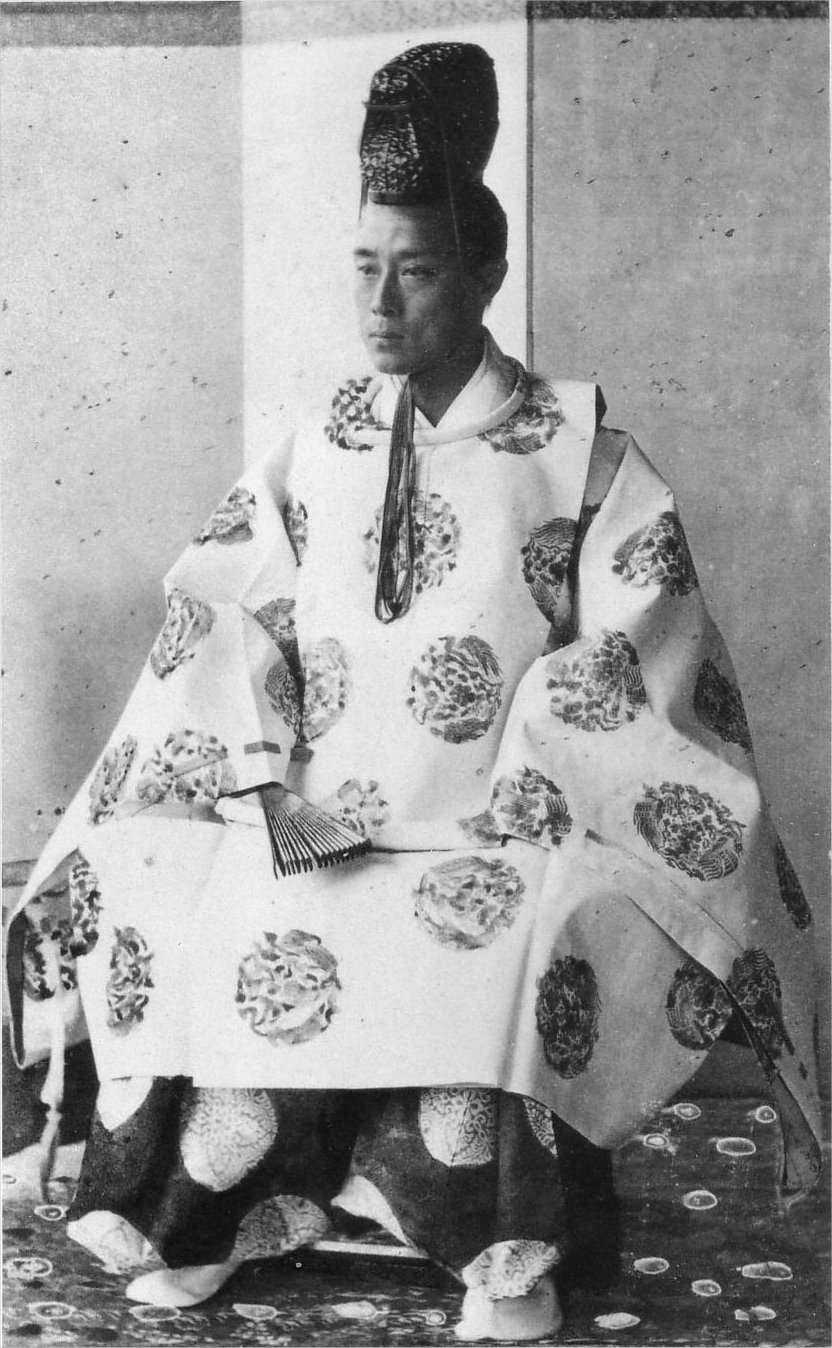
When Japan opened its doors to the west in 1853, the Shogun, not the emperor, was still the ruling power for most of Japan. This was a hard concept for westerners to understand, especially because the title Shogun, which means general, is not all that impressive. The supporters of the shogun, instead referred to him as the “taikun” which combines the words 大”tai” meaning great or large, and 君 which means ruler or sovereign. If only they could have convinced the rest of the people in Japan that the shogun was better than the emperor – just 14 years later he was deposed and the emperor was restored. These days the word in English has taken on an entirely new meaning, that of a wealthy and powerful businessman. Although records of the word in the English lexicon date back to the time of President Lincoln, it didn’t take on the new meaning until post WWI.
Karaoke(カラオケ)
This is an example of a double loanword, or a reborrowed word. The word kara (空) meaning empty, is the same that appears in the word karate (empty hand). The second part, “oke” comes from a bastardization of the word orchestra, so karaoke means “empty orchestra.” In this case English borrowed “oke” which originally came from orchestra, which itself is actually from the Greek orkhestra, via Latin. I am not sure what that is called, but this word gets around.
Hunky-Dori (本町通り)
This word is in fact most likely not from Japanese, but the idea is persistent enough to include it here. According to one theory, there was once a large thoroughfare through Yokohama, a major port city in Japan, called 本町通り “honcho dori” which basically means main street. When sailors would go out on the town and get too drunk to find their way home, they could relax as soon as they were “on honcho dori.” How the word evolved from “honcho” to “honky” is a mystery. There are much more credible etymologies of this word, which make more sense, but without as much of the flair.
The integration of Japanese words into English reflects the dynamic nature of language and the rich cultural exchanges between East and West. These words, whether related to food, art, martial arts, or technology, highlight Japan’s profound influence on global culture and illustrate the fluid boundaries of linguistic evolution. As we continue to embrace new experiences and innovations, the English language will undoubtedly continue to expand its vocabulary, drawing from the diverse tapestry of world languages.
Leave a Reply