Have you ever dreamed of walking among fluffy, friendly foxes before? Whether in a serene mountain landscape or the other way round. Know that there is a charming place tucked away in Japan that might blow your mind. Welcome to Fox Village, a charming sanctuary nestled in the Miyagi Prefecture, where hundreds of adorable foxes roam freely without any problem, delighting tourists with their curious nature and gentle charm.
Whereas Japan is famous for its temples, cherry blossoms, and busy cities, Fox Village is a quirky and charming alternative. It’s not merely a tourist attraction—it’s a destiny haven for animal lovers and photographers alike. Here, we will uncover all you would like to learn about a visit to Fox Village, from how to get there to what you will see, and some facts about the ethical treatment and cultural significance of this fairy-tale world.
Where Is Fox Village?
Fox Village, also called Zao Fox Village, is situated in the mountainous village of Shiroishi, in Miyagi Prefecture, northern Japan. It is a 2.5-hour ride from Tokyo by bullet train and local bus, so it makes a convenient day trip or overnight adventure for those looking to get away from the urban pace. The sanctuary lies within a forested region, surrounded by dense foliage and white trees in winter, and has an environment similar to that of a fairy tale. There are over 100 foxes of various species, including the native Japanese red fox, silver fox, and Arctic fox, residing in semi-wild conditions.

What Makes Fox Village So Special?
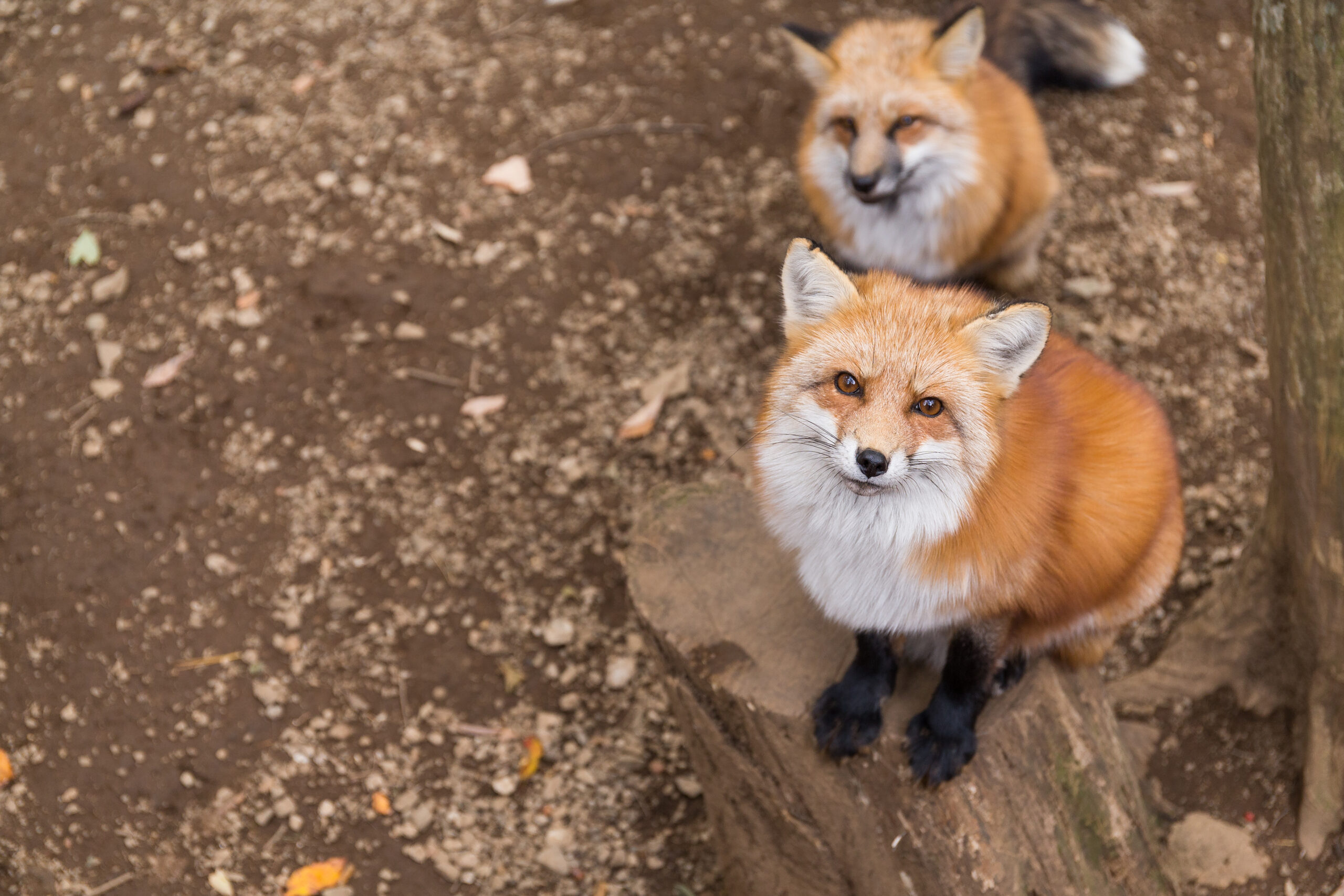
Maybe the most bizarre aspect of Fox Village is being able to have contact with these otherwise shy animals in a peaceful, natural setting. Foxes are naturally shy and suspicious when they’re in their natural habitat, but they are habituated to humans in this setting. The visitors can view their playful behaviour, photograph them closely, and even feed them (under close observation for safety reasons).
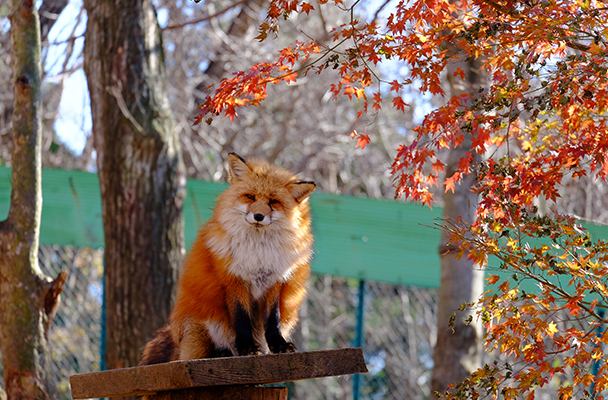
The fox sanctuary covers a large, enclosed outdoor area where the foxes are able to run about and play freely.The facility includes enclosures for injured or baby foxes that require special attention. The workers ensure that the animals are well-fed, healthy, and treated with dignity. Visitors only have one description to describe Fox Village: surreal, exactly like stepping into a Studio Ghibli film. The breeze is crisp, the leaves quiet except for gentle rustling, and wherever you look, fluffy foxes walk aimlessly or bask in the sun. It is no surprise that the attraction has been so popular on social media platforms like Instagram and TikTok.
Is Fox Village Ethical?
Any attraction that involves wildlife is deserving of scrutiny in terms of ethical treatment, and Fox Village is no different. Activists concerned about animal welfare, along with visitors over the years, have raised questions regarding the treatment of the foxes. As reported and inspected, Fox Village makes several efforts to ensure the welfare of its animals. The foxes are not forced to interact with guests and are free to move around within a spacious natural enclosure. Staff members conduct regular physical exams, and veterinary care is provided as needed. Guests are informed not to touch or chase the foxes, and their space and instincts are respected.
However, as with any wildlife park, there is a need for visitors to remain respectful: heed the regulations, stay back, and under no circumstances treat the animals like pets. The overall purpose of Fox Village is conservationally minded, offering an experience for humans to learn from these intelligent animals respectfully and engagingly.
When Is the Best Time to Visit Fox Village?
Each season at Fox Village is unique and lovely in its own right. In winter, the snowy terrain turns the sanctuary into an actual winter wonderland with foxes darting in and out of the snow and steamy breath puffing in the cold air. This is, perhaps, the most coveted season for photographers.
Spring comes alive with the cherry blossoms and the greenery emerging, autumn leaves the refuge on fire with oranges and reds. Summer is warmer but less crowded, with covered trails and foxes sunbathing in the pockets of sunlight. Regardless of the season, mornings are best to go, as the foxes are more active prior to midday heat or naps.
How to Get to Fox Village
Getting to Fox Village requires a bit of arrangement, but the trip is part of the adventure. Here’s how you can reach it:
- From Tokyo, take the Tohoku Shinkansen (bullet train) to Shiroishi-Zao Station (around 1 hour and 50 minutes).
- From Shiroishi-Zao Station, catch a taxi or local bus to Fox Village, which is about a 20–30 minute ride into the mountains.
While public buses may not run frequently, many visitors opt for a taxi or book a tour that includes transportation. During snowy months, roads may be icy, so travel with caution and consider winter tires or chains if driving.
What to Expect When You Arrive
Upon arrival at Fox Village, you’ll be greeted at the entrance area, where tickets (around 1,000 yen) are purchased. Before entering the main sanctuary, visitors must watch a safety video to make sure they are acting appropriately around the animals.
Once inside, you’re free to wander among the foxes, observe their interactions, and take photographs. Feeding is permitted in designated areas, usually from a platform to prevent crowding or aggressive behaviour. Food can be purchased at the entrance. There’s also a small petting zoo with rabbits, goats, and ponies for younger visitors, and a souvenir shop offering fox-themed merchandise, from plush toys to handcrafted fox masks.
Cultural Significance of the Fox in Japan
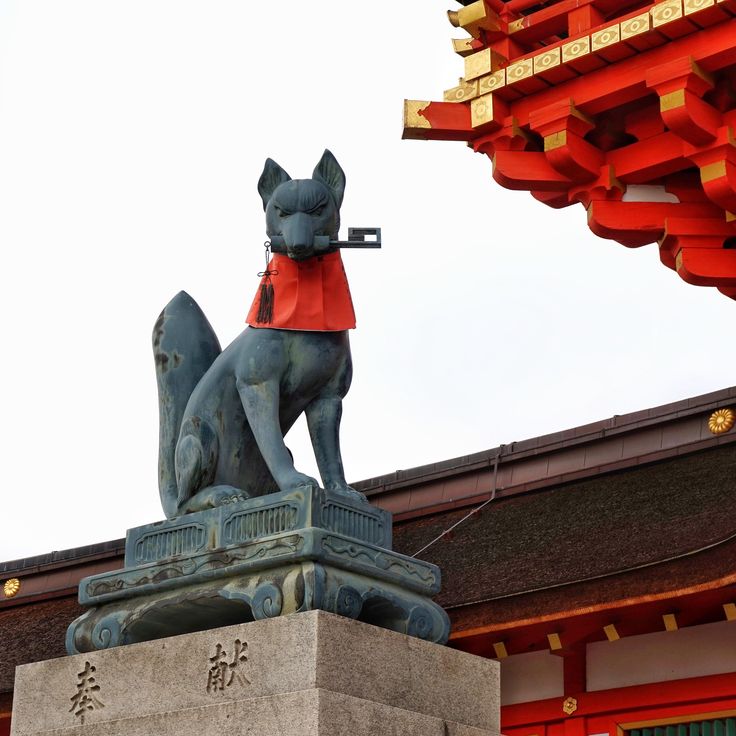
Foxes are of profound cultural and spiritual significance in Japanese mythology. They are referred to as “kitsune” and are thought of as messengers of Inari, the Shinto god of rice, fertility, and prosperity. Kitsune are seen as guardians and pranksters and are typically associated with shape-shifting and magical abilities. Visiting Fox Village is not just seeing animals—it’s also seeing this old mythology up close and experiencing just how integrated foxes are into Japanese culture. Shrines dedicated to the fox spirit can be found all over Japan, generally marked by red torii gates and stone sculptures of foxes.
Tips for Visiting Fox Village
Before you head off on your adventure, here are a few helpful tips to make your experience at Fox Village even more enjoyable:
- Dress warmly in winter: The mountain area gets cold, especially with snow on the ground.
- Wear appropriate shoes: Paths can be uneven or slippery, especially during the winter.
- Don’t bring small children unattended: While safe, the sanctuary is better suited for older kids and adults who can follow safety guidelines.
- Respect the animals: Avoid touching or chasing the foxes—they are semi-wild and deserve their space.
- Charge your camera: You’ll want to capture every magical moment.
Fox Village is an intriguing location that offers a glimpse into the life of Japan’s most iconic and enigmatic creature. A trip to this hidden destination is well worth it, whether you are an outdoor enthusiast, a photographer, or a fan of experiential culture.
In a world where so many are searching for true, off-the-beaten-path adventures, Fox Village offers the perfect combination of natural scenery, animal interaction, and myth. Just be prepared to go with an inquisitive, respectful, open-minded frame of mind—you might find that you leave with more than photos; you might leave with an appreciation for nature itself.
Read More: Ogimi Village: The Secret to Japan’s Village of Longevity
Leave a Reply