The Japanese Company Redefining Work-Life Balance Through Health Incentives
In a country where hard work and long hours are deeply ingrained in the corporate culture, one Japanese company is turning heads—and gaining global attention—for rewarding its non-smoking employees with something money can’t buy: time. Yes, a Japanese company based in Tokyo is offering non-smokers an impressive six extra paid vacation days each year. The reason? To compensate for the frequent and often unnoticed breaks that smoking employees take during work hours.
Beginning with the marketing company Piala Inc., this policy generated a lot of debate in Japan and other countries. Long-standing customs in conventional office settings are being upended by the change, which is also changing how people view employee wellness. Most people agree that this is a brave and noble effort to promote a more equitable and healthy workplace.
The reasoning is straightforward but profound. Smoking breaks, which usually last 10 to 15 minutes several times a day, gradually add up to hours of lost productivity over the course of a month. This pause or benefit is not experienced by non-smokers, who spend their entire day at their desks. The leadership of this Japanese company decided to tip the scales in favor of justice after realizing this imbalance.

Creating a Healthier Culture Without Forcing Change
The Japanese company’s strategy is more subtle than strict anti-smoking laws that punish workers or compel them to participate in cessation programs. Smokers are not penalized. Instead, by providing a strong incentive—more vacation time—it subtly promotes a smoke-free lifestyle. The policy was born out of a complaint from a non-smoking employee who felt it was unfair that smokers were taking multiple unscheduled breaks during work hours.
Rather than ignoring the feedback, the leadership team listened and acted. Within months, the Japanese company introduced the new benefit for non-smokers. The result?Positive media coverage, a surge in staff appreciation, and even some employees quitting smoking to qualify for the bonus vacation time. This model has a particularly big effect in Japan, where workers usually forgo paid time off because of demanding schedules and pressure from the workplace.
In this instance, gaining an additional six days of sleep is more than just a perk; it is a declaration that well-being and health are important. The Japanese company’s message is straightforward: you will be rewarded for your healthy decision if you decide not to smoke. It’s among the few examples of a workplace policy that actually strikes a balance between individual well-being and productivity.
Changing Norms in Japanese Work Culture
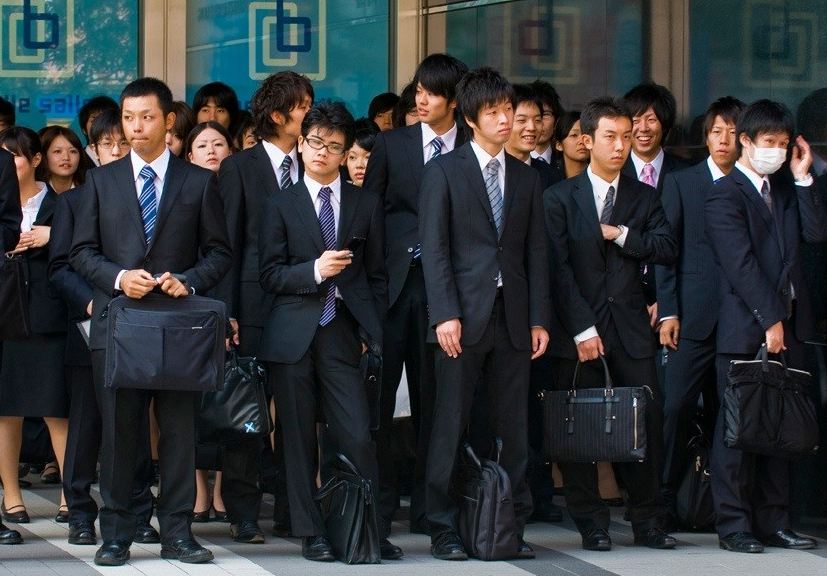
For many years, we can categorically say smoking has been woven into the fabric of corporate life in Japan. It wasn’t unusual to see top executives chain-smoking at meetings or employees bonding over cigarettes during breaks. However, that landscape is rapidly changing. The move by this Japanese company aligns with broader trends across the country. Public smoking bans have expanded, cigarette taxes have risen, and awareness of the health risks has never been higher. In fact, Japan’s smoking rate has steadily declined over the last 20 years.
But even with these changes, many companies have been slow to adopt workplace policies that actively discourage smoking. That’s why the decision by this Japanese company stands out. It actually shows a new era of corporate responsibility, like the one that does not just accept social shifts, but actively supports them. Moreover, it’s a practical form of motivation. While health warnings and anti-smoking ads are easy to ignore, an extra six vacation days are hard to pass up. The policy is designed to trigger behavioral change through reward rather than guilt.
It stand as a powerful approach, most especially in a country like Japan where loyalty to employers is pretty high and additional paid leave is rare. What’s more, this progressive thinking has set a new standard. Other companies in Japan are now paying attention, with some already considering similar strategies to promote fairness and wellness in their teams. In this way, the policy isn’t just benefiting the employees of one Japanese company—it could help influence thousands more.
The Bigger Picture: Productivity, Morale, and Business Success

Health isn’t the only factor in the decision to reward non-smokers. It’s also a wise business decision. Global studies show that employees who don’t smoke tend to be more productive than smokers, take fewer sick days, and ultimately pay less for health insurance. The Japanese company is making an investment in the long-term viability of its business by encouraging a healthier workforce.
Interestingly, the initiative has also had a positive impact on team morale. By openly acknowledging the contributions of non-smokers—and balancing the time discrepancy created by smoke breaks—the company is promoting a culture of fairness. Employees feel seen, valued, and treated with integrity. Notably, the policy has had no reported negative effects on smokers. They’re still free to take their smoke breaks. But now, there’s a quiet, positive pressure to reconsider those habits. Several staff members at the Japanese company have said the new rule was the final push they needed to quit.
There is even more of a ripple effect. Employees’ families are reportedly in favor of the change as well; some claim it has spurred discussions about health and self-care at home. Ultimately, this is about more than one business or policy. It’s a tale of how life can be enhanced by considerate leadership. The Japanese company caused no conflict. It didn’t make demands. Simply put, it gave those who made healthy decisions a better deal; the outcomes should speak for themselves.
Read More: Is Japanese Work Culture So Bad? Understanding the Japanese Work Environment
Leave a Reply