In a culture where unity mostly overpowers individuality, Takuma Tani stands as a beacon of authenticity and courage as the 47-year-old Japanese father flouts gender norms and societal expectations by embracing Lolita fashion, a subculture rooted in Victorian and Rococo aesthetics. His journey, which began at the age of 34, is not just about fashion—it’s about self-expression, acceptance, and redefining what it means to live authentically in modern Japan.
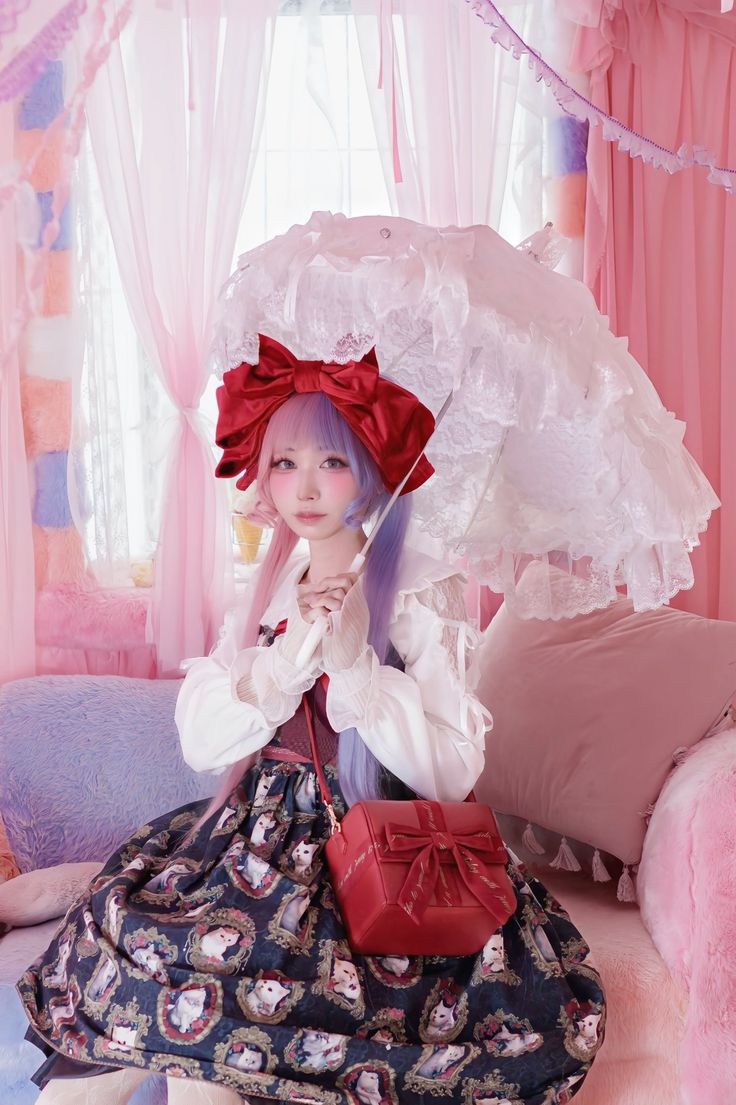
Breaking Stereotypes: A Middle-Aged Dad in Frills and Lace
The tale of Takuma Tani is anything but typical. He was a dedicated family man and a former salaryman who first came into contact with Lolita fashion through online forums and street photography. Tani started donning the elaborate and feminine garments in his mid-thirties, in contrast to the usual Lolita fan, who is typically a young woman in her teens or twenties. This choice initially appeared to be completely at odds with Japan’s frequently strict social norms.
Tani, however, adopted Lolita fashion as a means of self-emancipation rather than disguising herself behind a façade of “appropriate” masculinity. For him, every parasol, bonnet, and dress became a declaration of selfhood as well as style.
The Roots of Lolita Fashion in Japan
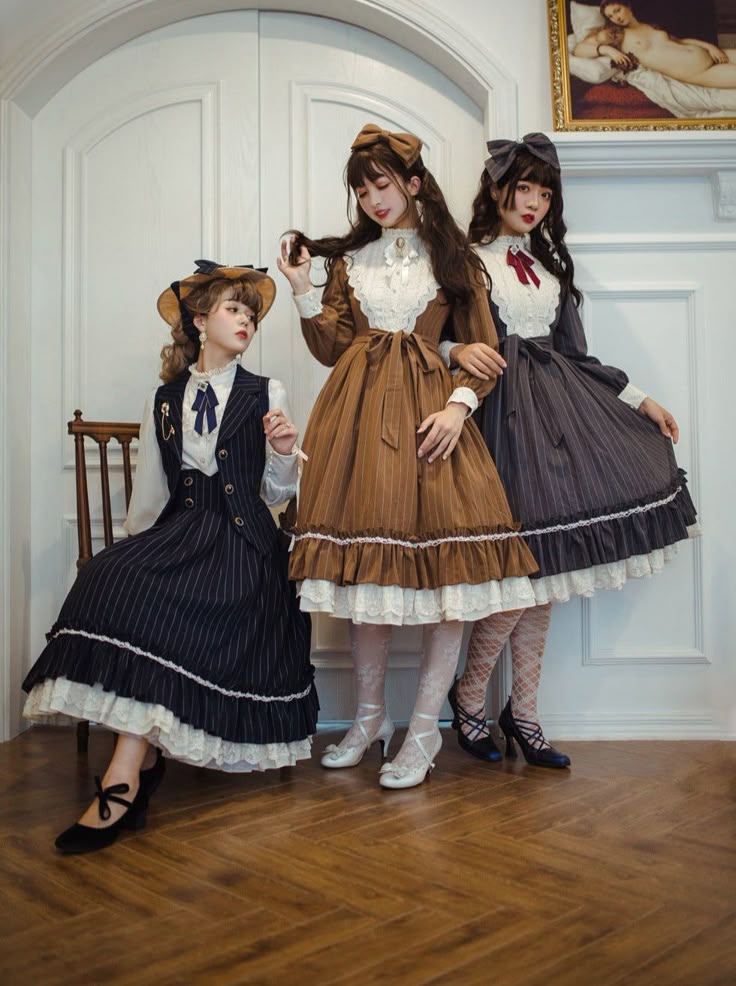
To understand what Lolita fashion stands for is mandatory to appreciating Takuma Tani’s influence. The style, which first appeared in Japan in the 1980s, is distinguished by its ornate lace gowns, petticoats, and old-European elements. For many of its adherents, Lolita fashion is a way of life and identity, despite being frequently confused with cosplay.
It expresses a desire to break free from social pressures and provides a different environment where anyone, regardless of gender, can flourish in terms of creativity, elegance, and femininity. Takuma Tani chose to fully immerse himself in this world because it was in harmony with a long-undiscovered aspect of himself, not because he was rebelling.
Facing Social Pressure with Grace
Despite its many innovations, Japan is still a conservative society when it comes to gender expression. Men are frequently expected to adhere to traditional standards of stoicism and masculinity, as well as to dress simply. The radical act of a father openly adopting Lolita fashion was greeted with both skepticism and support.
But Tani was not deterred. Thousands of people started following his journey after he shared his transformation on social media. Every post turned into a subdued protest against the gendered clothing binary norms. His bravery in adopting Lolita fashion encouraged people all over the world, not just in Japan, to reevaluate their own ideas of gender, age, and beauty.
A New Kind of Role Model
In a world where authenticity often gets lost in the noise, Takuma Tani stands quietly yet powerfully apart. His journey reminds us that truth, when lived openly, has a ripple effect. Parents admire the way he shows up for his children—not with pretense, but with honesty. He’s proof that staying true to oneself can shine brighter than tradition, and that kind of courage is both rare and moving. He is viewed by young people as evidence that there is no end date to the right to express oneself.
Tani continues to question the stereotype of what men—and particularly fathers—should look and behave like through interviews, public appearances, and partnerships with well-known Japanese Lolita fashion brands.
The Power of Online Communities
Tani’s internet presence accounts for a large portion of his influence. Social media platforms have evolved into the new stages and runways for self-expression in the digital age. Tani connected with fans who view him as a brave man by sharing his thoughts, outfits, and personal journey with Lolita fashion on Instagram and Twitter.
People online didn’t just praise how he looked—they also opened up about bigger topics like self-esteem, societal expectations, and the constant push to blend in. His presence on social media became more than just a style showcase; it showed that, even with all its downsides, the internet can still be a space where people find strength, connection, and the courage to be themselves.
The Link Between Fashion, Mental Health, and Identity
In interviews, Takuma Tani shared how embracing Lolita fashion has positively affected his mental health. After years of hiding who he truly was to meet others’ expectations, he discovered that wearing clothes that match his true self brought him happiness and balance. Many in the Lolita community feel the same way. The ritual of dressing up, the attention to detail, and the creative freedom it allows have therapeutic effects. Tani’s story emphasizes how personal style is more than skin deep—it’s a form of self-care and emotional healing.
Encouraging Change in Japanese Society
There are many stories but the one like Tani’s are still uncommon, despite Japan’s progress in gender awareness and LGBTQ+ rights. He’s helped open up meaningful discussions about gender, identity, and the right to express yourself freely. By confidently wearing Lolita fashion, he’s pushed back against tired stereotypes and offered a new perspective on what masculinity can look like. While some were puzzled at first, many have come to respect—and even admire—his bold, honest way of living. Today, media outlets, fashion labels, and cultural analysts acknowledge Takuma Tani as a trailblazer rather than merely an exception.
Lolita Fashion Beyond Gender
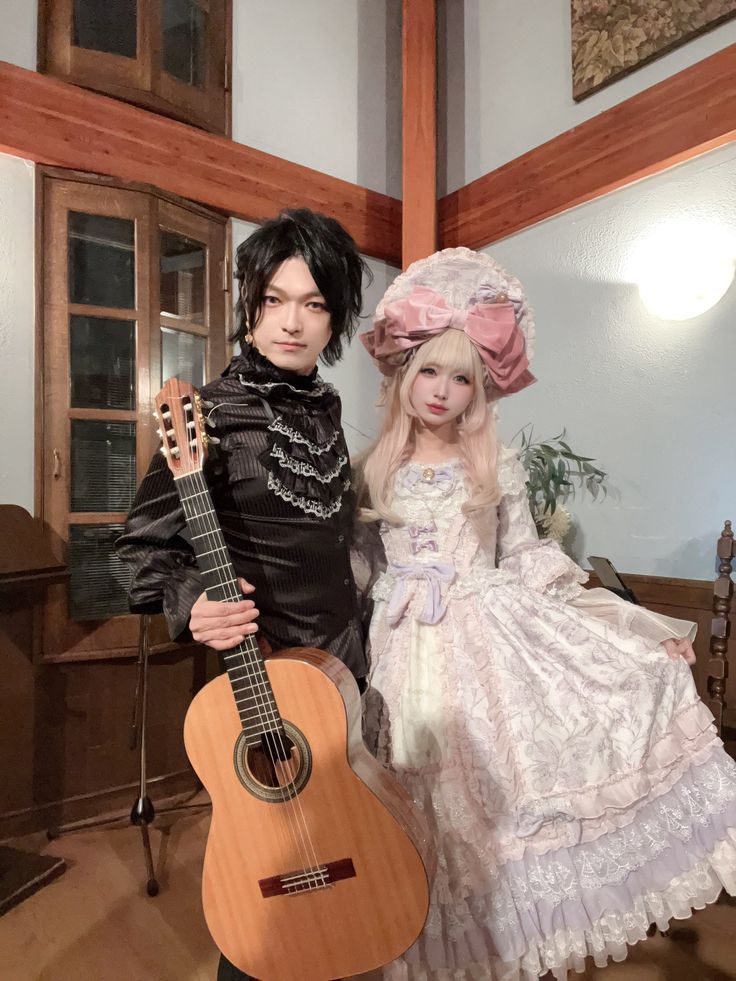
The way Tani’s journey emphasizes the genderless potential of Lolita fashion is among its most potent features. What was formerly thought to be a domain reserved for young women has changed to become a more widespread manifestation of individualism. The movement now inspires confidence, creativity, and comfort in people of all ages and genders. Tani contributes to the dismantling of the idea that fashion needs to be gendered by participating in this evolution.
Living Authentically at Any Age
Takuma Tani’s story really highlights how important it is to live authentically. At 47, he embraces Lolita fashion, which is quite bold in a world that often prizes fitting in. He’s not trying to rebel against growing up or recapture his youth; he’s just being true to himself. This kind of courage speaks to anyone who feels limited by what others expect. Takuma shows us that it’s always possible to be honest about who you are, and sometimes the bravest journey is simply returning to your real self, complete with grace and those lovely lace-trimmed dresses.
Read More: Harajuku: The Heart of Tokyo’s Youth Culture and Fashion
Leave a Reply