In Japan, a country where traditional knowledge and modern medicine coexist, more and more physicians are prescribing time spent in the woods rather than medication or therapy. The ability of this activity, called “forest bathing,” to lower blood pressure, lessen stress, and enhance mental health is drawing attention from all over the world. Forest bathing is the practice of using all five senses to immerse oneself in nature, particularly forests, as opposed to taking a physical bath. In Japan, this therapeutic approach is now accepted as a valid preventive healthcare practice.
What is Forest Bathing?
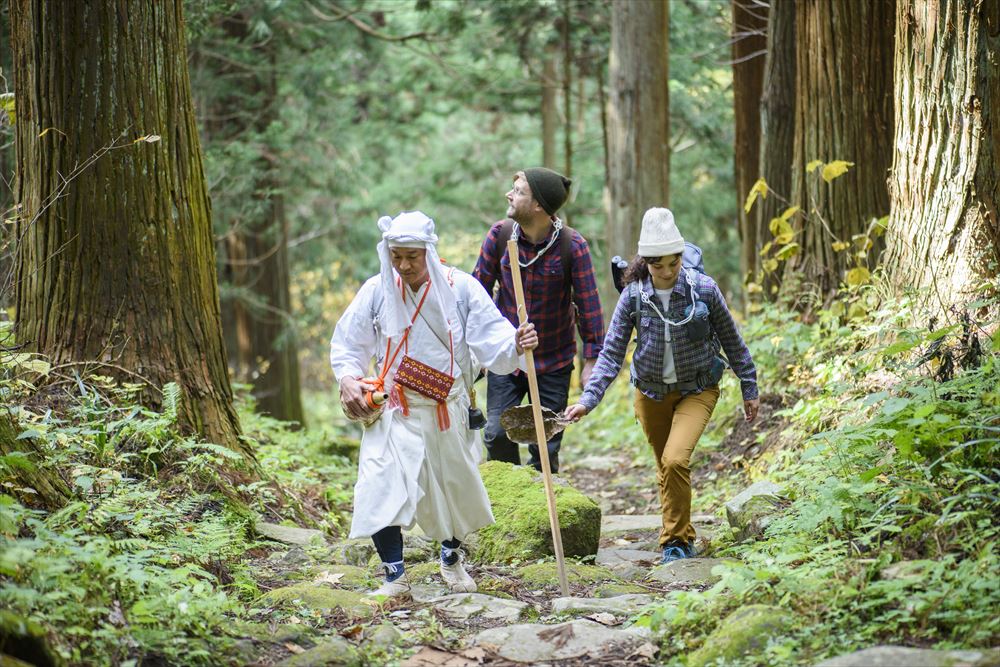
Shinrin-yoku, or “taking in the forest atmosphere,” is the Japanese term for forest bathing. Forest bathing emphasizes slowing down and being totally present, in contrast to hiking or outdoor exercise. In addition to walking mindfully, participants are encouraged to touch tree bark, breathe in earthy scents, listen to rustling leaves, and interact deeply with the natural world. Forest bathing is more about being than it is about doing, so there’s no rush.
Forest bathing was created in Japan in the 1980s in response to the rising prevalence of stress-related diseases in a society that was becoming more and more urbanized. It swiftly gained national attention and is currently a standard component of preventive care that physicians nationwide advise.
The Science Behind Forest Bathing
Why is forest bathing considered a legitimate medical practice? The practice has been shown to have both psychological and physical benefits in numerous studies both in Japan and abroad. Plants use natural oils called phytoncides, which are released by forest environments, to defend themselves. These substances increase natural killer (NK) cell activity, which strengthens the immune system when inhaled by humans.
Participants in a Japanese study who engaged in forest bathing demonstrated significantly lower blood pressure and lower levels of cortisol, a hormone linked to stress. Additionally, the practice has been demonstrated to improve sleep, increase focus, and lessen the symptoms of depression and anxiety.
Doctor’s Orders: Prescriptions for Forest Time
The notion of prescribing nature is literal rather than symbolic. In Japan, doctors can actually prescribe forest bathing to their patients. These prescriptions frequently specify a time frame and place, and some even include sessions of guided forest therapy. Trained guides assist people in experiencing Shinrin-yoku through mindfulness exercises, breathing techniques, and sensory engagement activities at certified forest therapy bases throughout Japan. Government-recognized therapeutic forests that have been carefully selected for their biodiversity, cleanliness, and tranquility are frequently the sites of these guided walks.

Where Forest Bathing Happens in Japan
Japan is the perfect destination for Shinrin-yoku because of its abundance of historic forests, picturesque mountains, and holy groves. Well-liked places include:
- Akasawa Natural Recreational Forest: One of the first locations to formally offer forest therapy was Nagano.
- Yoshino-Kumano National Park: Renowned for its spiritual atmosphere and verdant trails.
- Nikko National Park: Where waterfalls and mossy walkways make the ideal setting for sensory immersion.
A lot of these forests are just a short drive from the big city, which is perfect for anyone looking to escape the hustle and bustle. It’s so refreshing to step away from the constant noise and take a moment to really connect with nature.
Forest Bathing and Japanese Culture
The popularity of forest bathing is closely related to traditional Japanese values. The native religion of Japan, Shintoism, holds that nature is sacred and teeming with kami (spirits). The widespread acceptance of Shinrin-yoku as a therapeutic practice can be attributed in part to this cultural respect for natural areas. This connection to nature is even reflected in the Japanese language, where dozens of terms for seasons and natural elements have strong emotional connotations. Forest bathing is a spiritual activity and a way to connect with one’s roots for many Japanese people, and it has health benefits as well.
Beyond Japan: A Global Trend Emerges
Although forest bathing originated in Japan, it is currently a popular wellness practice worldwide. Nature prescriptions are becoming part of mainstream medicine in nations like the US, Canada, Finland, and South Korea. In certain locations, medical facilities are collaborating with national parks to provide prescription drug users with free or reduced admission.
Researchers are still investigating the potential benefits of forest bathing for the treatment of chronic stress, PTSD, and ADHD. Interest in nature-based therapy, such as forest bathing, is predicted to rise as the global mental health crisis worsens.
How to Try Forest Bathing Yourself
To engage in forest bathing, you don’t have to reside in Japan. All you need is access to a quiet, wooded area and the willingness to slow down. Here is a guide to get you started quickly:
- Leave distractions behind: Turn off your phone and avoid talking to anyone.
- Walk slowly: Take deep breaths and concentrate on each step.
- Engage your senses: Smell the air, feel the bark of trees, and listen to birds.
- Pause often: Sit on a rock or lean against a tree to truly absorb the environment.
- Avoid goals: Don’t treat it like exercise or sightseeing. Just be.
Practicing forest bathing once a week, even for just 30 minutes, can lead to noticeable improvements in mood and energy levels.
Why Forest Bathing Matters Now More Than Ever
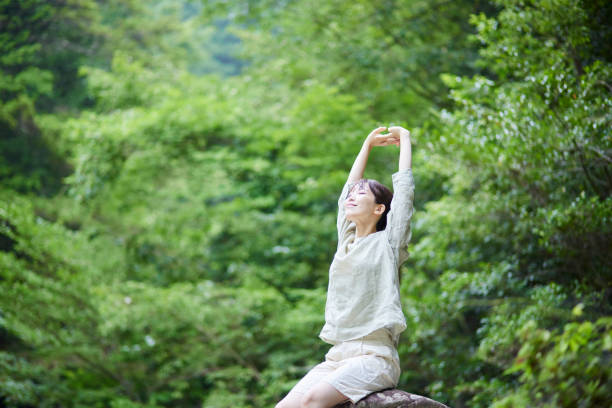
Forest bathing increases emotional resilience, mindfulness, and general well-being by embracing quiet and sensory awareness. Forest bathing is currently a fascinating trend that is a part of a much larger health movement. People are beginning to rediscover nature, and this isn’t just for leisure; it’s also for wellbeing and prevention. As more of us become aware of our environment and its challenges, we’re realizing something crucial: our health isn’t just personal—it’s tied to the health of the planet too.
A powerful message is being sent to the world by Japan’s innovative use of forest as a medical prescription: sometimes the best medicine is not found in a bottle but rather in the sound of leaves and the scent of pine. Forest bathing is a subtle yet effective path to healing, whether we are dealing with stress, looking for inner peace, or just wanting to feel more connected to the world.
Read More: 20 Pictures That Prove That Japan Is Different From Any Other Country
Leave a Reply