In Japan, a country renowned for its innovative approaches to well-being, a unique service called Ikemeso Danshi, or “handsome weeping boys,” is redefining how people cope with stress and emotions. This service, rooted in the Japanese concept of rui-katsu (tear-seeking), invites individuals to embrace vulnerability by crying alongside attractive men who offer comfort during emotional moments. Launched to promote emotional release, particularly in high-pressure work environments, Ikemeso Danshi is gaining attention for its unconventional approach to mental health. For foreign travelers and those curious about Japanese culture, this service offers a fascinating glimpse into Japan’s evolving attitudes toward emotional expression, though its novelty comes with challenges in changing workplace norms.
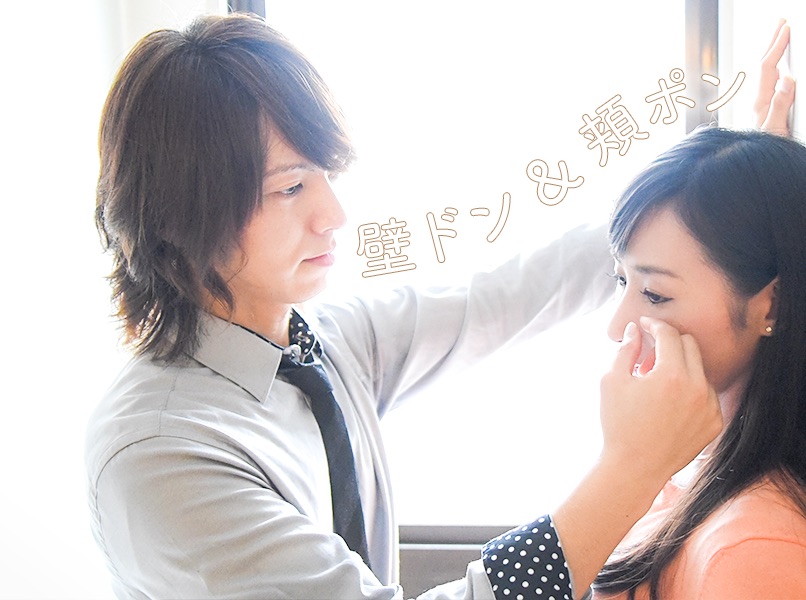
The Art of Rui-Katsu: Seeking Tears for Healing
At the heart of Ikemeso Danshi lies rui-katsu, a practice that encourages intentionally seeking out sadness to achieve emotional catharsis. In Japan, where emotional restraint is often valued in professional and social settings, crying can be seen as a sign of weakness, especially in the workplace. Rui-katsu challenges this by framing tears as a healthy outlet for stress and pent-up emotions. The concept emerged from the recognition that many people, overwhelmed by the demands of modern life, rarely find time to process their feelings. Hiroki Terai, the entrepreneur behind Ikemeso Danshi, saw an opportunity to create a service that not only facilitates crying but also makes it a shared, supportive experience.
Ikemeso Danshi sessions typically involve watching carefully selected films designed to tug at the heartstrings—stories about ill pets, touching father-daughter bonds, or the struggles of deaf individuals and their families. These films are chosen for their emotional impact, creating a safe space for participants to let go. The “handsome weeping boys” play a key role, offering tissues, gentle words, and a comforting presence as participants shed tears. For international visitors, this practice may seem unusual compared to Western cultures, where emotional expression is often more openly accepted, but in Japan, it represents a bold step toward normalizing vulnerability in a society that prizes composure.
How Ikemeso Danshi Works in Practice
The Ikemeso Danshi service, pioneered by Terai’s Tokyo-based company, allows individuals or workplaces to hire attractive men trained in therapeutic crying. These “tear couriers” arrive at offices or private sessions, ready to guide participants through an emotional journey. The process is straightforward yet profound: participants watch a tear-jerking film, and the handsome weeping boys provide emotional support, wiping away tears and offering reassurance. The service is particularly popular in corporate settings, where long hours and high expectations can leave employees feeling isolated or stressed.
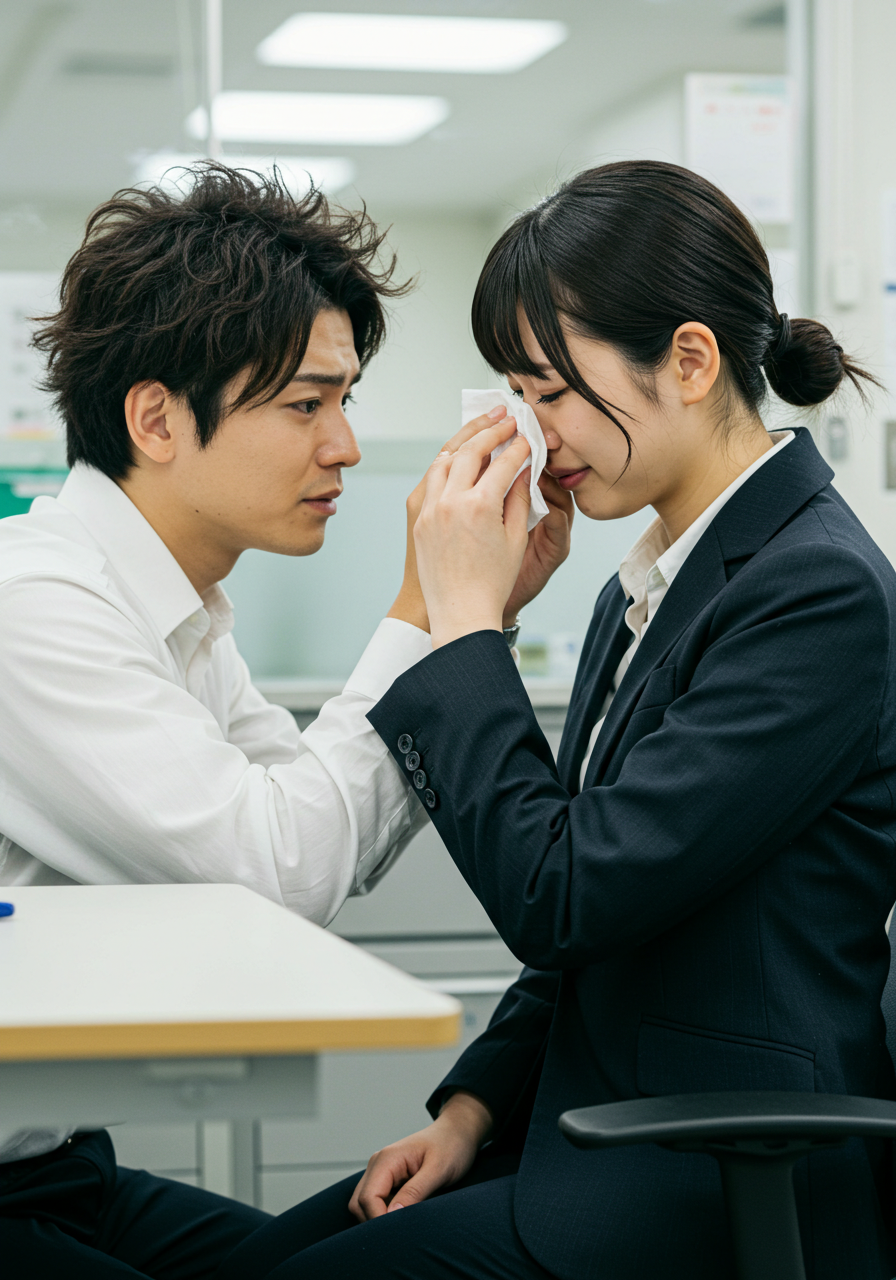
The choice of films is deliberate, often focusing on universal themes of loss, love, and resilience that resonate deeply. For example, a story about a loyal dog facing illness might evoke memories of personal loss, while a father-daughter narrative could stir feelings of familial connection. The presence of the weeping boys, described as ranging from intellectual types to charming “bad boys,” adds a layer of comfort and relatability, making the experience feel less clinical and more human. For foreign observers, this service might evoke comparisons to group therapy or even paid companionship services like “rent-a-friend” in Japan, but Ikemeso Danshi’s focus on crying sets it apart as a uniquely Japanese innovation.
Breaking Workplace Barriers
One of the most striking aspects of Ikemeso Danshi is its challenge to Japan’s workplace culture, where emotional expression is often discouraged. In many Japanese offices, maintaining a professional facade is paramount, and crying can be viewed as unprofessional or disruptive. Ikemeso Danshi seeks to change this by creating a space where vulnerability is not only accepted but celebrated. By bringing handsome weeping boys into offices, the service encourages employees to connect on a deeper level, fostering team bonds and improving workplace morale. Participants have reported feeling lighter and more connected after sessions, with some noting that crying together helped them see colleagues in a new, more empathetic light.
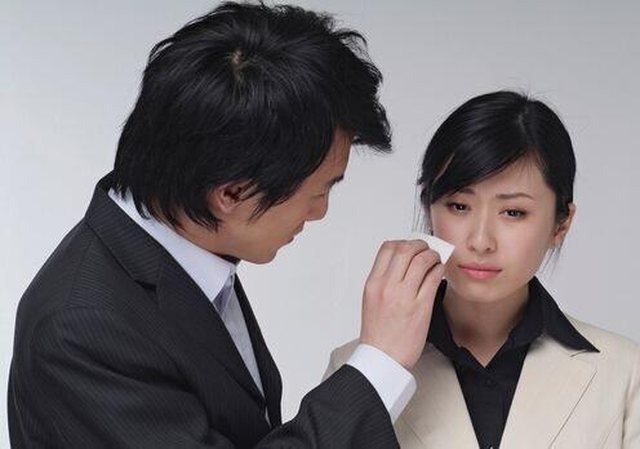
This approach contrasts with workplace norms in other countries. In Western offices, for instance, employee assistance programs or mental health days are common ways to address stress, but they rarely involve communal emotional experiences. Japan’s Ikemeso Danshi taps into a cultural willingness to explore innovative solutions, much like the country’s capsule hotels or cat cafés. For tourists visiting Japan, witnessing or even participating in a rui-katsu session could offer a unique perspective on how the country balances tradition with modern approaches to well-being.
Challenges and Future Potential
Despite its benefits, Ikemeso Danshi faces hurdles in gaining widespread acceptance. The concept of hiring someone to facilitate crying can feel foreign, even in Japan, where unconventional services are common. Some may question the sincerity of paid emotional support, wondering if the experience feels authentic. Additionally, the service’s focus on “handsome” men risks being perceived as superficial, though proponents argue that the appeal of the weeping boys helps break down barriers to participation. Workplace adoption also poses challenges, as some companies may hesitate to invest in a service that seems unconventional compared to traditional wellness programs.
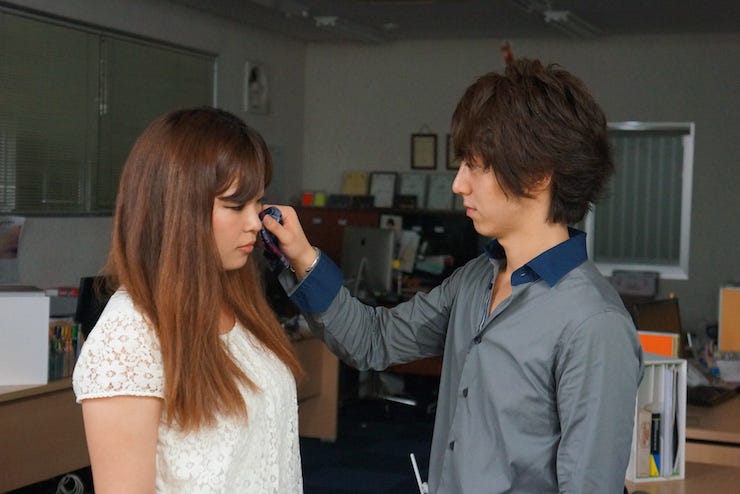
Yet, the potential for Ikemeso Danshi to reshape emotional health practices is significant. As mental health awareness grows globally, Japan’s rui-katsu movement could inspire similar initiatives elsewhere. The service’s emphasis on communal crying aligns with research showing that shared emotional experiences can reduce stress and build stronger social connections. For travelers, Ikemeso Danshi offers a window into Japan’s innovative spirit, where even crying becomes an art form designed to heal.
What are your thoughts on using crying as a tool for emotional release? Could a service like Ikemeso Danshi find a place in other countries, or is it uniquely suited to Japan’s cultural landscape? Share your reflections to spark a conversation about emotions and well-being across cultures.
Leave a Reply