In a nation where modernity and tradition frequently coexist, Japan never ceases to astound the world with its distinctive cultural customs. Among these are divorce insurance charms, a unique but sincere gift from some Shinto shrines.
These charms, in contrast to traditional omamori (protective amulets), are intended to keep couples together, prevent marital misfortune, and maintain harmony in relationships. Much can be learned about Japan’s attitudes toward marriage, spirituality, and the changing function of cultural institutions in modern society from this intriguing trend.
The Rise of “Divorce Insurance” Charms in Japanese Shrines
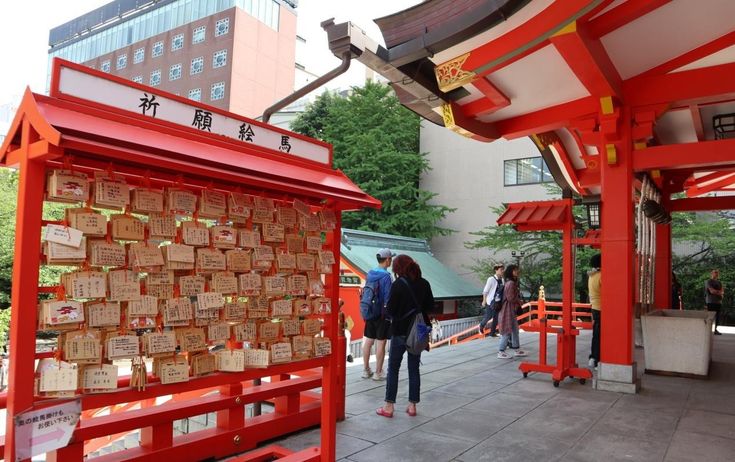
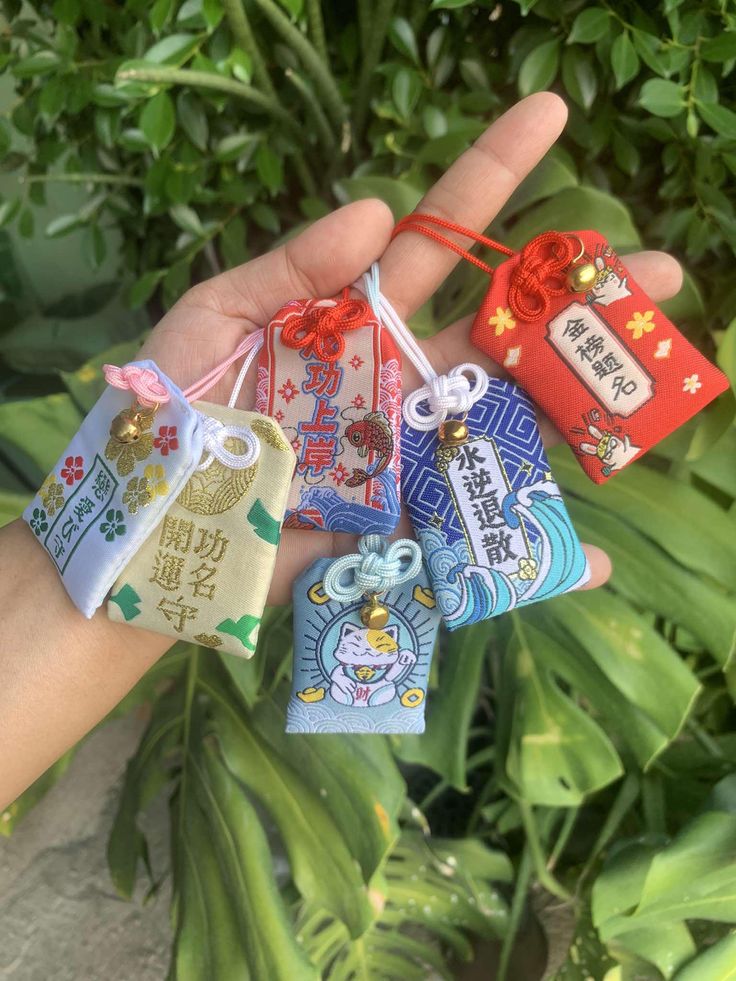
Omamori, good luck charms, have been part of Japanese religious and cultural life for centuries. Small sachets, sold at shrines and temples, are meant to bestow blessings, protection, and good fortune for all areas of life—safe travel, success at school, good health, and even love. However, now, in a typically modern spin, some shrines have begun to offer divorce insurance charms. They are designed to protect couples from the stresses of modern relationships and guard against the emotional and social consequences of divorce.
While divorce rates in Japan are still below those of certain Western nations, they have been rising steadily, particularly among older age groups and young couples referred to as “retired divorces.” This change in the marriage institution has seen some shrines reacting with spiritual interventions to help maintain love.
What Exactly Is Divorce Insurance in This Context?
Divorce insurance in Japanese shrines is solely symbolic and spiritual, in contrast to legal divorce insurance policies in Western contexts that might pay back settlements or legal fees. The charms frequently have inscriptions or prayers that encourage communication, loyalty, and long-term compatibility.
They may come in the form of:
- Couples’ charms: Meant to be carried by both partners as a symbol of unity and mutual commitment.
- Harmony omamori: Designed to restore peace in times of tension or conflict.
- Breakup ward charms: Designed to “drive away” divorce or bad luck from a marriage.
They act as reminders to the couples of their promises and reinforce the faith in the marriage as a sacrament that must be maintained, even though they are not legally binding.
The Shrines Leading the Way
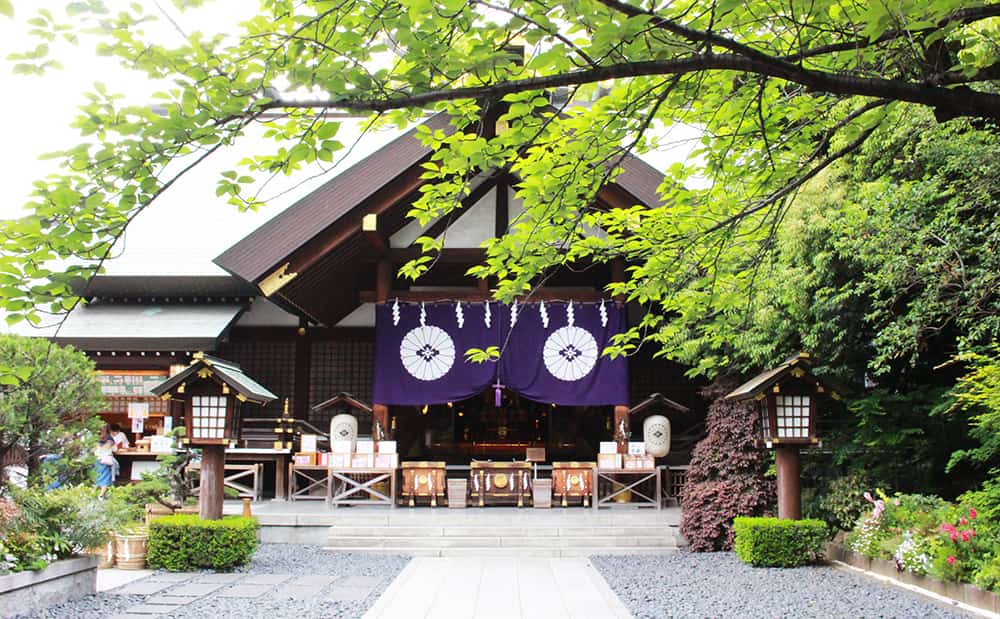
One of the most famous shrines in Kyoto that offers charms that guarantee divorce is the Mizuko Jinja. The shrine was first praised for its blessings on raising children and maintaining family harmony, still it later became well-known for its unusual talismans that were designed to keep people together. These charms are bought by tourists from all over Japan, who frequently tie them together with customary marriage prayers.
In a similar vein, Tokyo Daijingu, which is frequently connected to romance and partnerships, has broadened its selection of charms to include ones that guard against adultery and separation. The symbolism here is obvious: relationships need spiritual protection, just like any other sacred endeavor.
The Cultural Significance Behind the Charms
In Japanese culture, community, harmony, and long-term commitment are highly regarded. Despite the increase in individualism, especially among younger generations, marriage is still viewed as a social and personal duty. Divorce insurance charms are, therefore, more than just fads; they address deeper concerns about gender roles, emotional detachment, and the pressures of modern work-life balance.
Purchasing and wearing these charms is a common way for couples to show their renewed commitment to one another. It’s also a non-aggressive way to admit that all relationships experience difficulties and that occasionally, a little extra support—whether it be symbolic or divine can help.
Real-Life Testimonials from Couples
Visitors frequently leave written prayers or wishes for their marriage to shrines that sell divorce insurance charms. Among the messages were the following:
- “May our hearts stay connected together no matter the distance between us.”
- “Let us listen more, argue less, and love like we once did.”
According to a woman in her 30s who purchased the charm in Kyoto, it served as a reminder to her to approach problems with empathy following a year of frequent arguments with her husband. After retirement, when many older couples in Japan struggled with new routines and expectations, a second couple in their 60s claimed that the charm helped them rekindle their relationship.
Critics and Skeptics
Although many people view divorce insurance charms as a good deed, some critics contend that they could give people false hope or take their focus away from more realistic solutions like communication and counseling. Supporters respond, however, that these charms are intended to enhance action rather than take its place. They act as a spiritual reminder to keep trying when times are difficult and a daily reminder that love takes work.
Why This Tradition Resonates Today
Divorce insurance charms are an example of how cultural customs can change to meet contemporary fears. These charms provide a tangible, significant symbol of commitment in a time of fast change, digital relationships, and high divorce rates across the globe. They also symbolize a larger trend toward the meaningful use of spiritual and cultural instruments to address pressing issues. Divorce insurance charms, like gratitude diaries or affirmation stones, help couples be more focused and mindful when making daily decisions.
How to Get a Divorce Insurance Charm
If you’re visiting Japan or are interested in this cultural phenomenon, here’s how you can find and use a divorce insurance charm:
- Visit a Recognized Shrine: Look for shrines known for their relationship-related blessings, such as Tokyo Daijingu or Mizuko Jinja.
- Choose Your Charm: Options may vary—some are for couples, others for individual reflection.
- Offer a Prayer: Before taking the charm, it’s common to offer a prayer or written wish for your relationship.
- Keep It Close: Most people carry their omamori in a purse, wallet, or bag. Some place them in the home as a symbolic gesture of unity.
For as unusual as they may appear to foreign eyes, Japan’s divorce insurance charms are an unbeatable mix of history, religion, and sentimental purpose. They illustrate how spirituality can continue to be deep and significant while adapting to fit modern situations.
These charms are undoubtedly a sincere means of reminding couples to care for each other, communicate with each other, and love their marriage, whether one believes in the supernatural magic of them or not. Even a modest expression of intention, like donning a holy charm, can be a subtle but lasting anchor in a world where relationships are beset on all sides by challenges.
Read More: Black Holes Shoot Gas Like Bullets, Japanese Study Finds
Leave a Reply