In an increasingly tech-dependent world, Japan is taking the lead again, except this time with a warm and fuzzy twist. A Tokyo firm, Fuji Corporation developed hugging robots specifically designed to provide comfort and companionship to isolated elderly individuals. The cuddly, touch-sensing machines replicate human warmth and contact, offering emotional support to seniors who might otherwise be left to be lonely in their later years.
As Japan is faced with the full force of a rapidly aging population, creative solutions are emerging to meet not just physical needs, but emotional well-being. Hugging robots appear awkward at first glance, but they are an unambiguously human attempt to fight loneliness—one of the most pressing, yet often overlooked, issues facing the aging population worldwide.
The Problem: Aging and Isolation
Japan has one of the world’s most aging populations. At 30% of its population being over 65 years of age in the year 2025, Japan is among the countries with the aging population. Older people live largely by themselves, particularly in urban cities like Tokyo, where members of the family are scattered and social connections are far and between. Loneliness in the elderly has been linked to a chain of health challenges, including depression, anxiety, cognitive decline, and even heart disease.
Whereas home care and nursing homes take care of physical needs, emotional attachment is harder to replace, especially in cultures where social stigma or practical considerations bar frequent interaction with family or friends. That’s where hugging robots make up the difference.
What Are Hugging Robots?
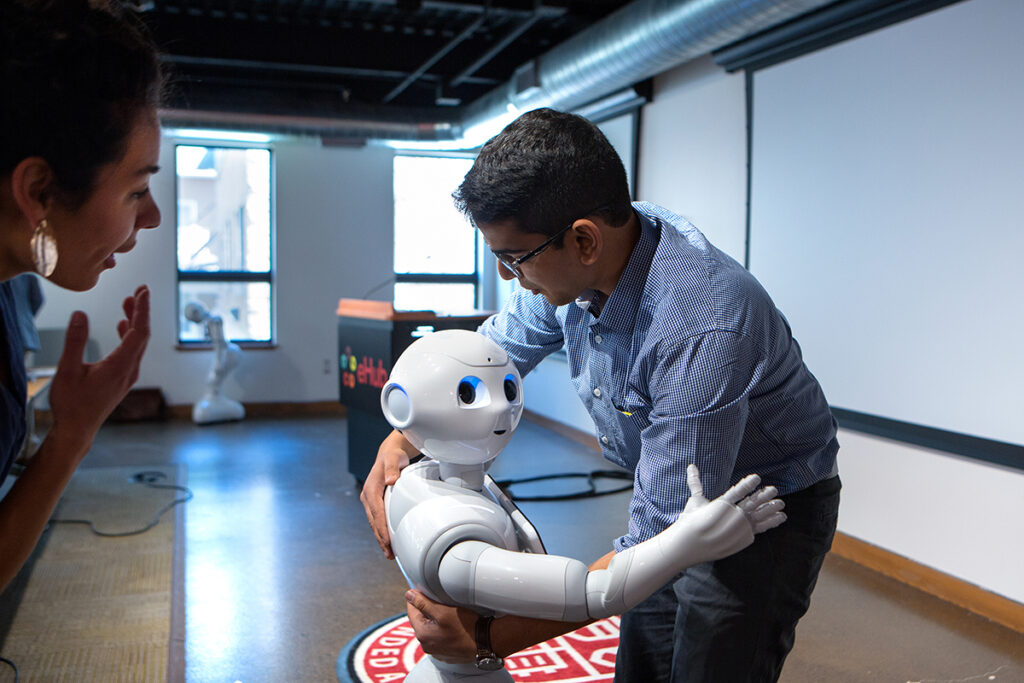
Hugging robots are advanced, soft-bodied robot companions designed to mimic the physical sensation of a human hug. Unlike metal-and-hard-plastic robots that typically consist of traditional robots, these friends are made of soft materials, inbuilt warmth elements, and pressure-sensitive sensors that give a natural feeling of touch and warmth.
When understood, the robot responds by warming up slightly, emitting a comforting heartbeat-like vibration, and moving its position very slightly in a way that simulates being hugged back. The goal isn’t comfort—it’s to trigger the user’s emotional and psychological perceptions. These robots, which were built by a robotics firm in Tokyo, Fuji Corporation are light and mobile and are ideal for elderly citizens. Some models include voice interaction, allowing for simple conversation, reminders, and the playing of music, all aimed at giving companionship.
The Science Behind the Comfort of Hugging Robots
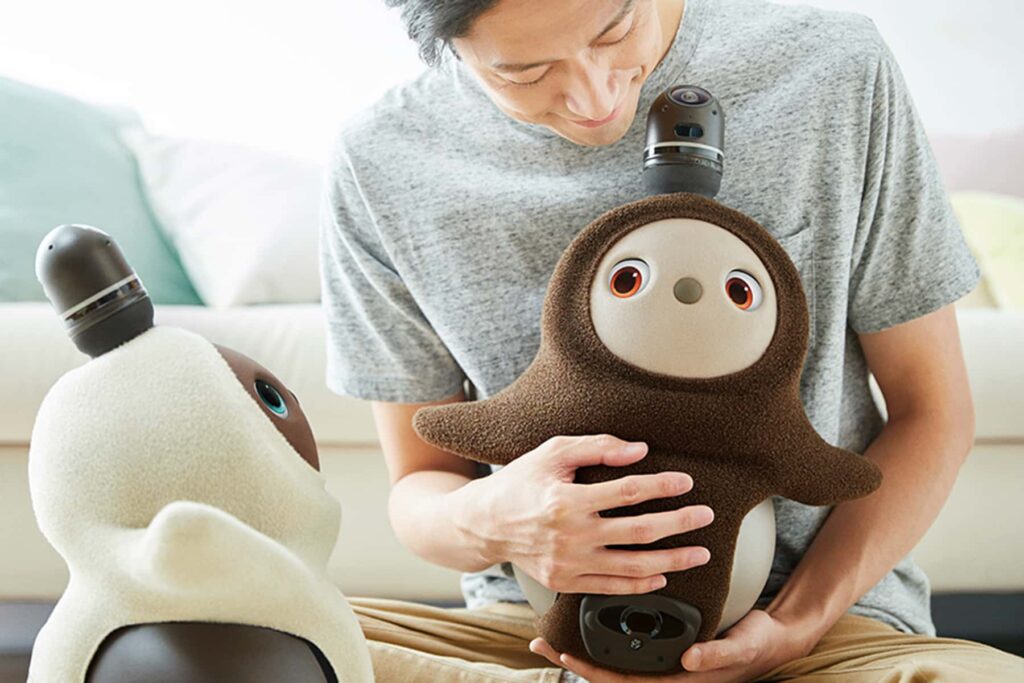
Psychology and neurology research has proved that physical touching, like hugging releases oxytocin, often referred to as the “love hormone.” Oxytocin reduces stress, lowers blood pressure, and creates feelings of safety and well-being. For older people who may not have any physical contact for days, if not weeks, hugging robots offer a good substitute. As much as they cannot substitute the human touch, they are able to fill an essential gap in emotional care, especially in long periods of isolation, such as the COVID-19 pandemic.
In clinical trials, elderly users reported that they were less anxious and more emotionally stable after hugging robots on a regular basis. Some referred to the robots as “companions” or “comforters,” reflecting the emotional bond that is possible, even with technology, when empathy is designed in.
A Technological and Cultural Milestone
Japan has been leading the pack in robotics for decades, particularly in applications targeting elderly care. From robot therapy animals like PARO, the therapeutic seal, to humanoid assistive robots like Pepper, Japan has been looking into how machinery can aid in human needs on an emotionally intelligent level. Hug robots are the next iteration in this trend—one that combines the most up-to-date technology with an understanding of emotional intelligence. The idea resonates deeply through Japanese culture, which values harmony, respect for older people, and the therapeutic power of touch.
Not Just for Japan: A Global Market
While hugging robots were designed in Tokyo, their appeal knows no borders. Countries all over Europe, North America, and parts of Asia also have aging populations and high levels of elderly isolation. The World Health Organization has established loneliness as a significant global public health threat, and these kinds of solutions could soon be part of international eldercare policy.
Above all, hugging robots are not intended to replace human caregivers or social interaction, but to complement them, specifically in environments where social or physical contact is in short supply. Robots like these could provide an inexpensive, low-tech means of providing comfort to elderly parents or grandparents in parts of the Western world where there is a shortage of caregivers and family members living far away.
How Hugging Robots Work
New hugging robots incorporate several features that simulate real human contact:
- Thermal Feedback: Body warmth is simulated by internal heating pads.
- Tactile Sensors: Pressure sensors respond to touch, allowing the robot to “hug back.”
- Heartbeat Simulation: Authenticity and relaxation are promoted by a pulsating rhythm.
- Soft Exterior: The robots are made to be skin-friendly and are covered in soft fabric that resembles fleece.
- Voice Ability: Some models are available that can sing a song, pronounce simple sentences, or receive the majority of AI-trained responses.
Combined, these features create a sensory experience that many users describe as surprisingly lifelike. The design process involved psychologists, geriatric specialists, and engineers to ensure both emotional and physical safety.
Pricing and Accessibility of Hugging Robots
The majority of hugging robots currently on the market range from ¥30,000 to ¥70,000 (about $200 to $500) and are relatively affordable for Japan’s middle-class families. Companies are creating cheaper models in order to offer them for use in care facilities and public health centers. Even a few of the local governments began to subsidize the purchase of hugging robots for older people who lived alone, a clear indication of official acceptance of their therapeutic value.
Ethical Considerations of Hugging Robots
Whereas others welcome the idea of robots being hugged, critics warn not to lean too heavily on machines to solve what they consider basically human issues. There’s the worry that devices of this kind will deter visits by family or by people in general if they get into the wrong hands. Those in support state that these are tools, not substitutes. Utilized appropriately, they can bolster emotional well-being without detracting from the role of human relationships.
As Japan continues to struggle with the pains of a declining population, innovations like hugging robots attest to the strength of technology driven by compassion. Forced and developed out of cultural sympathy, these soft-bodied machines deliver more than just mechanical actions—they offer comfort, warmth, and a pinch of togetherness to those who experience it most severely. In the years ahead, as other needs of this sort emerge globally, hugging robots may be more than a Tokyo craze—they may become an international symbol of how technology can heal not just our bodies, but our hearts.
Read More: Japan Introduces Giant Humanoid Robot for Railway Maintenance
Leave a Reply