Samurai and ninja are two of the most iconic figures in Japanese history, often romanticized in movies, anime, and video games. While both are associated with feudal Japan, their roles, skills, and philosophies were vastly different. Understanding these differences is crucial to separating historical fact from the exaggerated portrayals often seen in popular culture. This article explores the origins, roles, and legacies of samurai and ninja, shedding light on what truly set them apart.
Historical Background
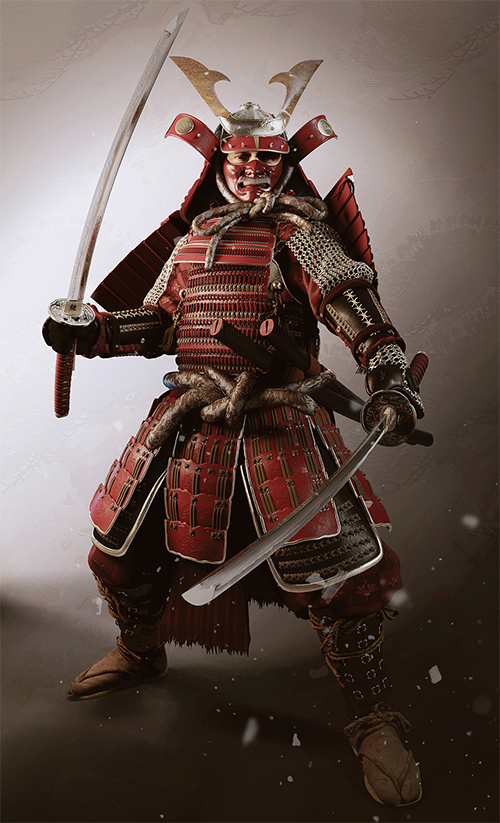
The samurai emerged during the Heian period (794–1185) as elite warriors serving feudal lords, or daimyos. They rose to prominence during the Kamakura period (1185–1333) and remained influential until the Edo period (1603–1868). Samurai were part of the warrior class, known as bushi, and held a high social status.

Ninjas, on the other hand, were covert agents primarily active during the Sengoku period (1467–1615), a time of widespread civil war. Unlike samurai, ninjas were not part of the formal social hierarchy. They often operated as mercenaries, spies, or saboteurs, working in the shadows to achieve their objectives.
Roles and Responsibilities

Samurai were loyal retainers to their lords, bound by duty and honor. They were skilled in open combat, military strategy, and diplomacy. Their primary role was to protect their lord’s interests, whether on the battlefield or in governance. Samurai were also expected to embody the principles of Bushido, the “way of the warrior,” which emphasized loyalty, courage, and ethical behavior.

Ninjas, by contrast, specialized in espionage, sabotage, and assassination. Their missions often required them to operate in secrecy, using stealth and deception to achieve their goals. Unlike samurai, ninjas were not bound by a strict code of honor; their success was measured by the completion of their mission, regardless of the methods used.
Skills and Training

Samurai training was rigorous and focused on martial arts, swordsmanship (particularly with the katana), archery, and horseback riding. They also studied strategy, literature, and the arts, as they were expected to be well-rounded individuals. Samurai were trained to face their opponents head-on, valuing honor and bravery in combat.

Ninjas, however, were trained in unconventional warfare. Their skills included stealth, disguise, infiltration, and the use of specialized tools like shuriken (throwing stars), smoke bombs, and poisons. Ninjas were masters of adapting to their environment, using whatever means necessary to complete their missions.
Code of Conduct

The samurai lived by the code of Bushido, which dictated their behavior both on and off the battlefield. Bushido emphasized virtues such as loyalty, honor, and self-discipline. A samurai’s reputation was tied to their adherence to this code, and failure to uphold it could result in ritual suicide, or seppuku.

Ninjas, however, operated outside the bounds of such a code. Their missions often required them to act in ways that would be considered dishonorable by samurai standards. For ninjas, the end justified the means, and their success was measured by results rather than adherence to a moral framework.
Cultural Depictions vs. Reality

Modern media often portrays samurai as noble warriors and ninjas as shadowy assassins, but these depictions are often exaggerated. While samurai did value honor and loyalty, they were also pragmatic and capable of brutality. Similarly, ninjas were not the superhuman figures often depicted in movies; they were skilled operatives who relied on intelligence and resourcefulness rather than supernatural abilities.
Historically, ninjas were often farmers or commoners who took on covert roles, while samurai were part of the elite warrior class. The romanticized image of ninjas as black-clad assassins is largely a product of later fiction, as they would have disguised themselves as ordinary people to blend in.
Enduring Legacy

Both samurai and ninja have left a lasting impact on Japanese culture and the world. Samurai are celebrated as symbols of honor, discipline, and tradition, influencing modern martial arts and philosophies. Ninjas, with their aura of mystery and adaptability, have become icons of stealth and cunning in global pop culture, appearing in countless films, video games, and books.
Conclusion
While samurai and ninja both played significant roles in feudal Japan, their differences are striking. Samurai were honorable warriors bound by a strict code, while ninjas were pragmatic operatives who thrived in secrecy. Understanding these distinctions not only enriches our appreciation of Japanese history but also helps us separate fact from fiction in their modern portrayals. Together, samurai and ninja represent two sides of the same coin—honor and stealth, tradition and adaptability—shaping a legacy that continues to captivate the world.
Leave a Reply