The Yakuza, Japan’s infamous organized crime syndicates, have long been a subject of fascination, often compared to the Triads in China and the Mafia in the West. However, unlike their foreign counterparts, the Yakuza have a unique place in Japanese society, sometimes operating in plain sight with registered offices, business ventures, and even a presence in the media. While many people’s perceptions of the Yakuza come from Hollywood films and video games, the reality of their influence is far more complex. Here are ten intriguing facts that shed light on their structure, operations, and impact on Japan.
1. Sokaiya: Corporate Blackmail with a Polite Twist
One of the most distinctive Yakuza schemes is Sokaiya, a form of corporate blackmail. The method is calculated: first, the Yakuza purchase just enough shares in a company to gain access to shareholder meetings. Then, they uncover damaging information about executives and use the threat of public embarrassment to extort money.
What sets Sokaiya apart is its execution. Rather than outright demands, the Yakuza maintain a facade of politeness. Often, they disguise their extortion as sales of overpriced event tickets, such as for golf tournaments or beauty pageants. In the 1980s, Sokaiya became so widespread that Japan criminalized corporate payments to blackmailers. However, the Yakuza simply adapted, using more sophisticated tactics to avoid detection. Today, companies combat this by holding annual shareholder meetings on the same day, limiting the Yakuza’s ability to be everywhere at once.
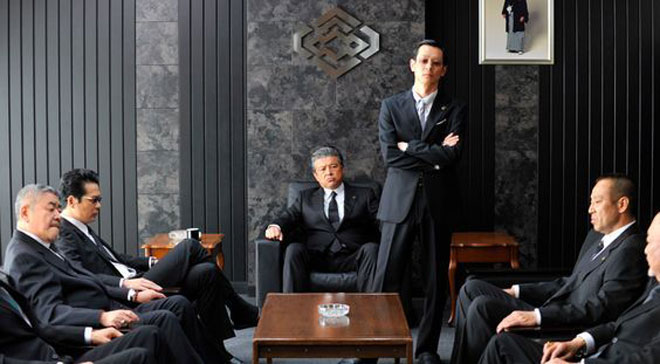
Sokaiya is the name of a form of large-scale bribery practiced by the yakuza. First, they buy shares in a company, just enough to get them a place at a shareholders meeting. Then they dig up as much dirt as they can on the company leadership. After that, it’s a case of “give us money, or we’ll come to the meeting and embarrass you.” The Japanese fear shame above much else, so this tactic usually works.
What is peculiar about this scam is that it is carried out with the utmost politeness. The threats are made in a roundabout way, as are the pay-offs. The yakuza will host an event—a golf tournament or beauty pageant, for example—and sell awfully overpriced tickets to the victims of their blackmail. Some of Japan’s largest companies have been targeted. One racketeer received eight months in prison after targeting executives from Mitsubishi for illegitimate rent payments on a holiday home.By 1982, sokaiya had reached such endemic proportions that Japan introduced laws making it illegal for corporations to pay the blackmailers off.
Unfortunately, the law did little but make the yakuza more sophisticated in hiding the scheme. The police are prone to leaking secrets, so reporting the sokaiya may result in the original blackmail information getting out anyway. Managers would also have to put up with yakuza out for revenge, and possibly face prosecution if they have paid off sokaiya in the past. The most effective tactic so far has been to align shareholder meetings, as the gangsters can only be in so many places at once. Up to 90 percent of corporations on the Tokyo Stock Exchange hold their annual shareholder meetings on the same day.
2. Crackdown on the Yakuza: A Shrinking Empire
The Yamaguchi-gumi, Japan’s largest Yakuza syndicate, has been the target of increasing crackdowns, both domestically and internationally. The U.S. government has blacklisted its leader, Kenichi Shinoda, and his deputy, Kiyoshi Takayama, freezing their American assets and banning financial transactions with them.
Japan, too, has tightened regulations. Laws now impose fines on businesses that knowingly associate with the Yakuza. As a result, membership has plummeted to its lowest level in 50 years, with part-time associates now outnumbering full-fledged members. Despite this, Yakuza leaders argue that their presence prevents more chaotic criminal elements from rising in Japan.
3. Yakuza Disaster Relief: Charity or PR Move?
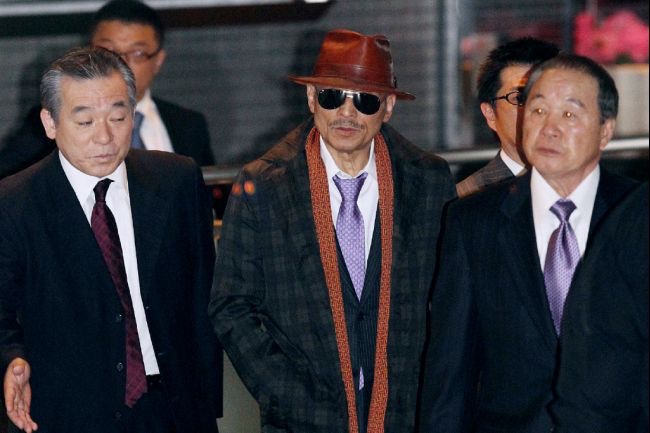
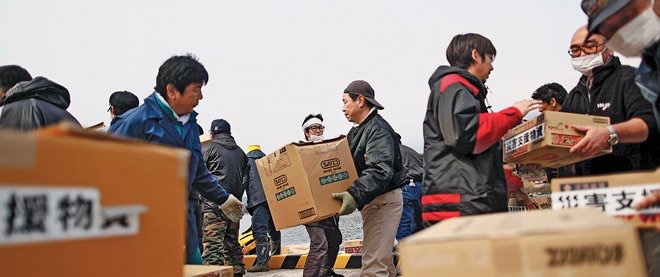
Surprisingly, the Yakuza have a history of providing aid in times of disaster. When the 2011 tsunami devastated Japan, they were among the first to deliver food, water, and supplies to affected areas. Similarly, during the 1995 Kobe earthquake, they bypassed government red tape by using scooters, boats, and even helicopters to distribute relief.
Some see this as genuine compassion, given that many Yakuza members come from marginalized backgrounds. Others argue it’s a calculated PR move, designed to improve public perception and fend off government crackdowns. There are also financial incentives—after the 2011 quake, Yakuza-affiliated companies secured lucrative reconstruction contracts, reinforcing suspicions of ulterior motives.
4. Yakuza Magazine: Haikus and Brotherhood
In a surprising move, the Yamaguchi-gumi published a newsletter for its 28,000 members, featuring haikus, angling articles, and an editorial from its leader. The publication aimed to boost morale in the face of declining membership.
While only full members received copies, news of the magazine leaked to the public. Experts believe the intent was to soften the syndicate’s image, distancing it from its violent reputation by portraying it as a sophisticated organization steeped in tradition.
5. Yubitsume: The Ritual of Finger Amputation
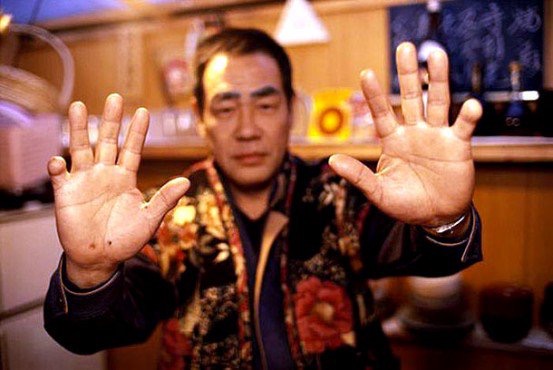
One of the most infamous Yakuza punishments is Yubitsume, the act of cutting off a fingertip as a form of atonement. Members who fail their superiors must slice off the tip of their little finger, with repeated offenses requiring further amputations.
Because missing fingers are a telltale sign of Yakuza affiliation, former members often struggle to reintegrate into society. This has led to a market for hyper-realistic prosthetic fingers, with some ex-Yakuza even receiving them from foreign specialists.
6. Tattoos: The Mark of a Yakuza
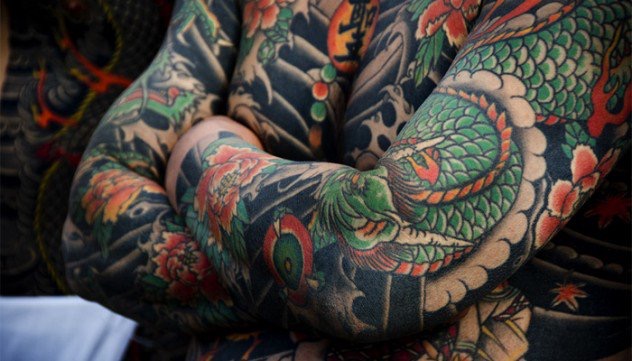
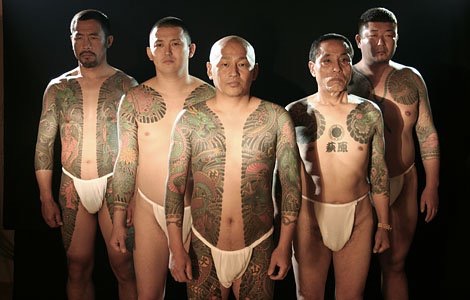
Traditional Yakuza tattoos, or irezumi, are intricate, full-body works of art created using a painful hand-poking technique. Designs often feature dragons, samurai, and mythological themes, symbolizing strength and resilience.
Despite their beauty, tattoos remain heavily stigmatized in Japan, often associated with crime. In Osaka, government workers with tattoos have been ordered to either remove them or resign. As a result, many Yakuza now opt for hidden tattoos rather than the full-body ink of the past.
7. Suing the Yakuza—And the Yakuza Suing Back
Legal action against the Yakuza is rare, but some individuals have taken them to court. In one notable case, a restaurant owner sued Kenichi Shinoda, the leader of the Yamaguchi-gumi, for damages after gangsters extorted her.
However, the Yakuza also fight back. The Kudo-kai syndicate once sued the Japanese government, claiming that being labeled a “dangerous” organization violated their constitutional rights. While the case was unsuccessful, it highlighted the boldness with which the Yakuza navigate the legal system.

8. Yakuza Exams: Studying to Avoid Arrest
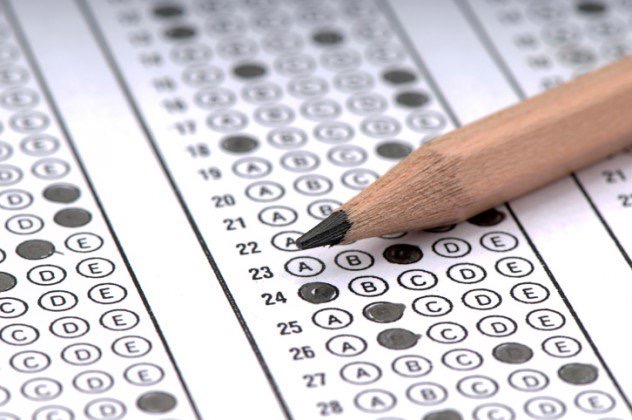
To help members stay within legal gray areas, the Yamaguchi-gumi introduced a 12-page exam covering topics like industrial waste disposal and vehicle theft laws. The initiative came after Japan introduced stricter organized crime laws, making it easier to prosecute gang members.
The existence of such an exam reflects the Yakuza’s adaptation to legal pressures and their role as a barometer of Japan’s economic challenges.
9. Initiation Rituals: Sake and Brotherhood
New Yakuza recruits undergo a ritualistic sakazukigoto ceremony, in which they share sake with their superior in a father-son-like bond. The subordinate, or kobun, drinks from a smaller cup, while the superior, or oyabun, drinks from a full cup, symbolizing hierarchy and loyalty.
Sake ceremonies hold deep cultural significance in Japan, often marking important life events, such as weddings. This traditional aspect gives Yakuza rituals a sense of religious or historical legitimacy.
10. Yakuza’s Political Ties: Hidden Influence
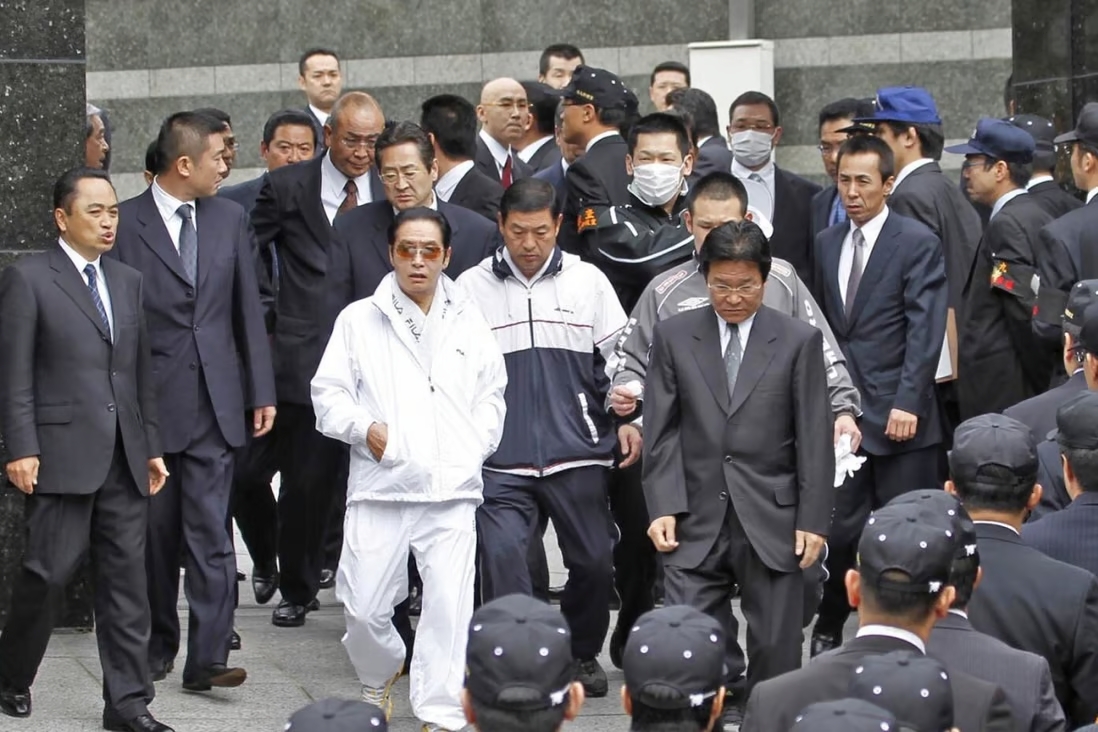
Historically, the Yakuza have maintained connections with political figures, providing support in exchange for protection or favorable treatment. These relationships have included campaign assistance and securing votes, embedding the Yakuza within the political fabric of Japan
Yakuza groups have historically provided campaign support, protection, and even guaranteed votes for politicians. While open ties have diminished, organized crime’s shadow still looms over Japan’s political landscape.
The Yakuza remain a paradox—criminal organizations with deep historical roots, at times feared, reviled, and even admired. Their existence continues to evolve as legal pressures mount, yet their ability to adapt ensures they remain a force in Japanese society. Whether through blackmail, humanitarian efforts, or political maneuvering, the Yakuza’s story is far more complex than the Hollywood stereotypes suggest.
Leave a Reply