The distinctions between generations of Issei, Nissei, Sansei, and Yonsei can be confusing, especially for those who are not descendants of Japanese immigrants. Even among descendants, the many categories can sometimes be unclear.
Additionally, the category a person belongs to can significantly impact their ability to obtain a work visa for Japan. Some may find it easier, while others face greater challenges.
If you’ve ever wondered who the Issei, Nissei, Sansei, and Yonsei are, let’s clear up the confusion and explain the differences.
Understanding Issei, Nissei, Sansei, and Yonsei
Issei refers to the first generation of Japanese immigrants who moved to Brazil. These are the individuals who left Japan, often by ship, and settled in Brazil during the early 20th century. Nissei are the children of the Issei, making them the second generation of Japanese descendants born in Brazil.
Sansei are the grandchildren of the original immigrants, representing the third generation. Finally, Yonsei are the great-grandchildren of Japanese immigrants, belonging to the fourth generation.
You might be wondering why these distinctions matter so much to the Japanese community in Brazil and how they can affect their lives. The answer lies in how these categories influence entry into Japan and the process of obtaining long-term visas. As you might expect, it’s easier for the first generation (Issei) to enter Japan, while the difficulty increases with each subsequent generation.
How Each Generation Obtains a Visa
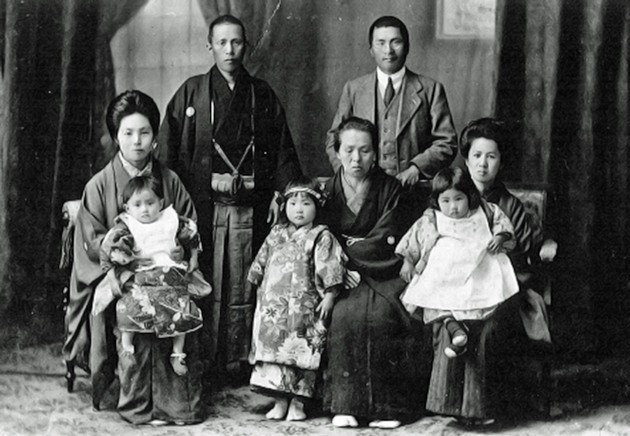
For Issei, entering Japan is straightforward. Since they are Japanese citizens, they only need a valid passport to travel to Japan. No additional barriers exist for them.
For Nissei and Sansei, the process is more complex but similar in difficulty. Many from these generations travel to Japan in search of better job opportunities, aiming to earn money and eventually return to Brazil. In the 1990s, a significant number of Nissei and Sansei moved to Japan. Over time, many adapted to life there, making the prospect of returning to Brazil and starting over professionally a daunting one.
However, both Nissei and Sansei must possess a document called the Kosekitohon, which is recognized by the Japanese government. This document traces their family’s origins and records when their ancestors emigrated to Brazil.
The greatest challenges are faced by Yonsei, the fourth generation. Until recently, Yonsei had limited options for obtaining a visa. Now, there are pathways available, but they come with strict requirements. For example, Yonsei applicants must demonstrate proficiency in the Japanese language and have a specific purpose for their visit, such as work or study. Unlike earlier generations, they cannot simply move to Japan indefinitely without meeting these criteria.
For more detailed information, visit the website of the Japanese consulate in Brazil. There, you can find comprehensive guidelines on what each generation needs to do to obtain a visa.
Leave a Reply