The Japanese word Ijime carries a far more sinister tone than its English translation, “bullying.” For many Japanese parents today, memories of bullying often trace back to their school days, when standing out as slightly different made a child an easy target, while others stayed silent to avoid becoming victims themselves.
However, in modern Japan, every child is a potential target of bullying. While recent efforts by educational institutions to address and eradicate harassment offer a glimmer of hope, the problem remains deeply rooted. Shockingly, nearly half of all children in Japan are affected by Ijime.
A problem that affects half of children in Japan
School bullying, or Ijime, is a long-standing issue in Japan. A study by the Tokyo Metropolitan School Personnel Training Center revealed that 66.2% of over 9,000 children surveyed had experienced bullying. While pressure on foreign or mixed-heritage children may have lessened compared to past generations, the risk remains high—not just for them, but for any child who might be perceived as different.

The Ministry of Education, Culture, Sports, Science, and Technology (MEXT) has tracked reported cases of Ijime since 1985. Over time, the definition has evolved, but the current interpretation is as follows:
“Ijime is an act of a student, or students, in relation to another student who inflicts some physical or psychological consequences that cause mental or physical suffering to the receiving child.”
Cruel intention
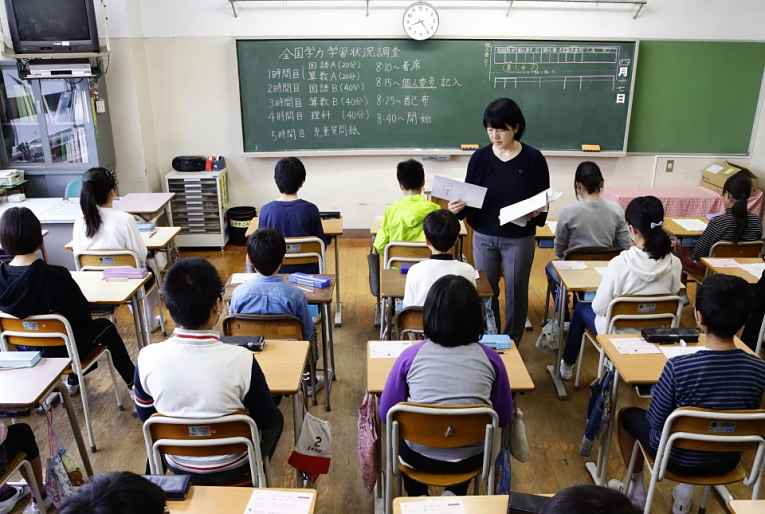
Whether harm was intended or not is judged from the victim’s perspective. This broad definition aims to encompass the varied and often subtle nature of modern bullying tactics.
MEXT’s investigation into student behavior found that the majority of reported incidents involved teasing, insults, threats, and hurtful comments—often repeated relentlessly and impossible to ignore. The second most common form was hitting or kicking, sometimes disguised as play. The third was exclusion—being ignored or ostracized by a group.
Modern bullying often leaves no visible scars, with many actions cloaked in ambiguity. These can include behaviors like hiding belongings or scribbling on desks, which bullies may dismiss as “just a joke.” Being part of a group can also diminish the sense of individual responsibility, as highlighted by the government’s public relations resources.
Internet like a weapon
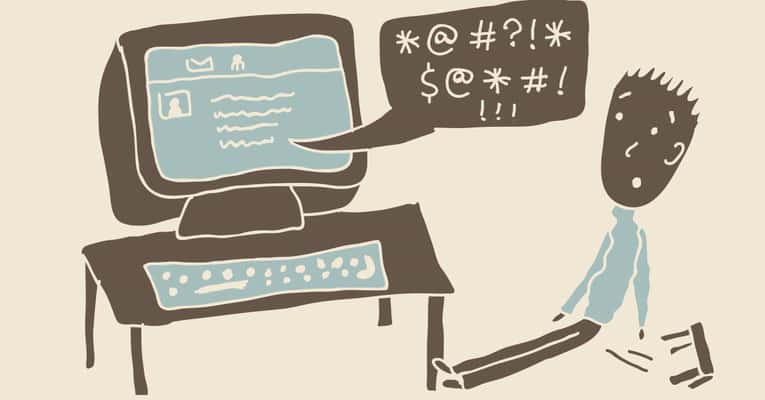
The internet has introduced new, anonymous forms of Ijime, further blurring the line between bullying and “play.” Victims may find defamatory comments about themselves on blogs or chat sites, have private photos or addresses leaked online, or receive a barrage of offensive emails.
What Can Be Done?
Children need unwavering support. Encourage open communication so they feel comfortable coming to you with their problems. To prevent bullying, teach children empathy and kindness from an early age. By fostering compassion, we can help create a safer environment for all children.
Leave a Reply