In a small Spanish town called Coria del Río, nestled along the Guadalquivir River near Seville, lives a community whose story is unlike any other in Europe. Here, dozens of families carry the surname Japon, a name that whispers of a long-lost chapter in global history.
These descendants are living proof of a remarkable diplomatic mission that took place in 1614, when samurai emissaries from Japan crossed continents to establish relations with Spain. More than four centuries later, the Japon legacy still thrives, bridging two worlds with pride, resilience, and quiet dignity.
The Mission of 1614: A Diplomatic Voyage of the Samurai
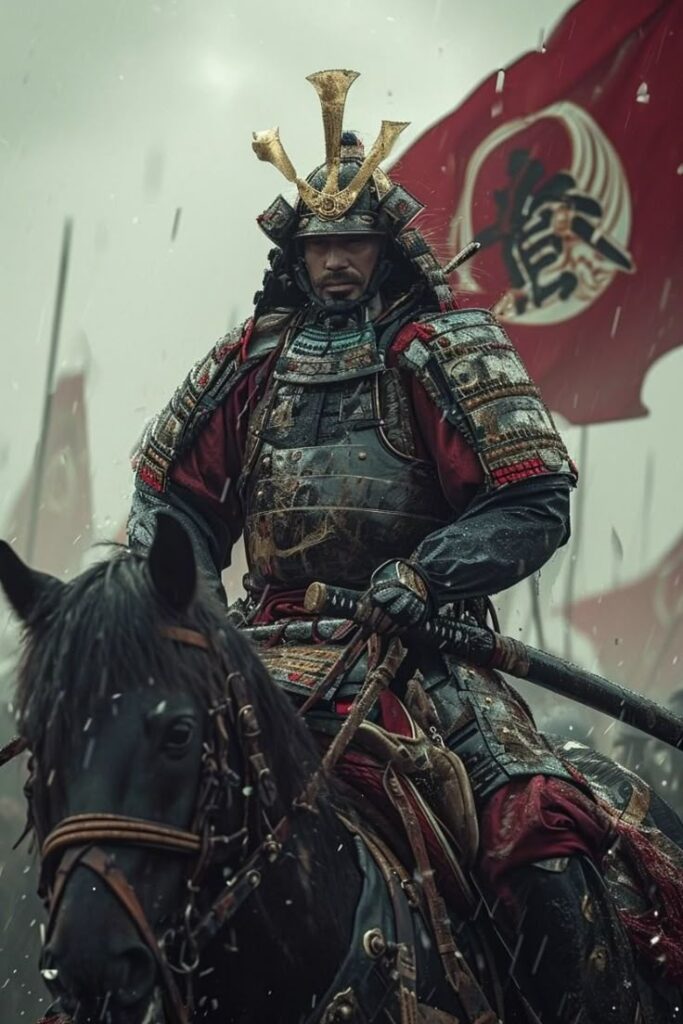
The story begins with Hasekura Tsunenaga, a samurai and trusted retainer of the powerful northern daimyō, Date Masamune of Sendai. In a bold move for the time, Masamune organized a diplomatic expedition known as the Keichō Embassy, one of the earliest formal attempts by Japan to establish direct relations with Western Europe.
Sailing aboard the San Juan Bautista, a Japanese-built galleon crafted with the help of European shipwrights, Hasekura and his entourage embarked on their voyage in 1613. Their journey took them across the Pacific to New Spain (modern-day Mexico), where they stayed for several months before continuing on to Spain in 1614.
We can say the voyage was not merely symbolic, as it point to negotiare trade agreements and also to strengthen Christian ties during a time when the spread of Christianity was still permitted under certain feudal lords. When the samurai delegation arrived in Seville, they sparked widespread fascination. Local Spaniards were amazed by the dignified bearing of the emissaries, who wore elegant kamishimo (formal robes with shoulder extensions) and carried traditional katana swords. The sight of armored samurai in the streets of Europe was entirely foreign and deeply compelling, marking a rare and impactful cultural encounter.
During their time in Spain, the delegation was granted an audience with King Philip III in Madrid. Hasekura presented letters of friendship from Date Masamune and offered gifts of lacquerware, Japanese textiles, and even samurai armor—items that were completely novel in the European context. Hasekura also made a formal declaration of his Christian faith and was baptized in Madrid under the name Felipe Francisco Hasekura.
The diplomatic mission did not end in Spain. Hasekura traveled on to Rome, where he was received by Pope Paul V—a remarkable moment symbolizing direct communication between feudal Japan and the highest authority in the Catholic Church. Hasekura petitioned for the disparch of Christian missionaries to Japan and and expressed opnness to cultural exchange in Rome. Despite the ceremony and international goodwill, the mission ultimately yielded limited results in terms of policy. By the time the delegation returned to Japan in 1620, the political winds had shifted dramatically.
The Tokugawa shogunate had begun to enforce strict isolationist policies (sakoku) and had outlawed Christianity. Foreign missions were increasingly seen as threats to internal stability, and the Keichō Embassy was never repeated. Still, the impact of the mission endured. Several Japanese members of the delegation chose to remain in Spain, settling in Coria del Río, a small town near Seville. Their descendants still live there today—many bearing the surname “Japon” in homage to their ancestors’ origins. Their presence is a quiet but powerful reminder that centuries ago, a group of samurai dared to cross oceans in the name of diplomacy, belief, and cultural curiosity.
Why Coria del Río?
After the mission’s European tour, some members of the Japanese delegation chose to stay in Spain instead of returning to their homeland, either due to illness, religious reasons, or the desire to begin anew. These individuals settled in Coria del Río, where their lineage took root. Over generations, their descendants adopted the surname Japon (the Spanish spelling for “Japan”), signifying their ancestry and honoring the samurai journey that brought their forefathers to Spanish soil.
The “Japon” Surname: A Living Legacy
Today, over 600 residents of Coria del Río bear the surname Japon. Though centuries have passed, the families proudly preserve oral histories, family heirlooms, and traditions that harken back to their Japanese origins. Some even retain certain physical features that distinguish them from their Andalusian neighbors—epicanthic folds, high cheekbones, and straight black hair. But beyond appearance, the Japon families maintain a spiritual connection to their roots. Many recount tales of cherry blossoms, ancestral swords, and honor codes that have survived the erosion of time.
The keyword Japon is not just a surname—it is a symbol of cultural continuity, an identity that bridges two ancient civilizations separated by oceans but bound by shared values of honor, loyalty, and diplomacy.
Cherry Blossoms and Katana: Cultural Echoes in Spain
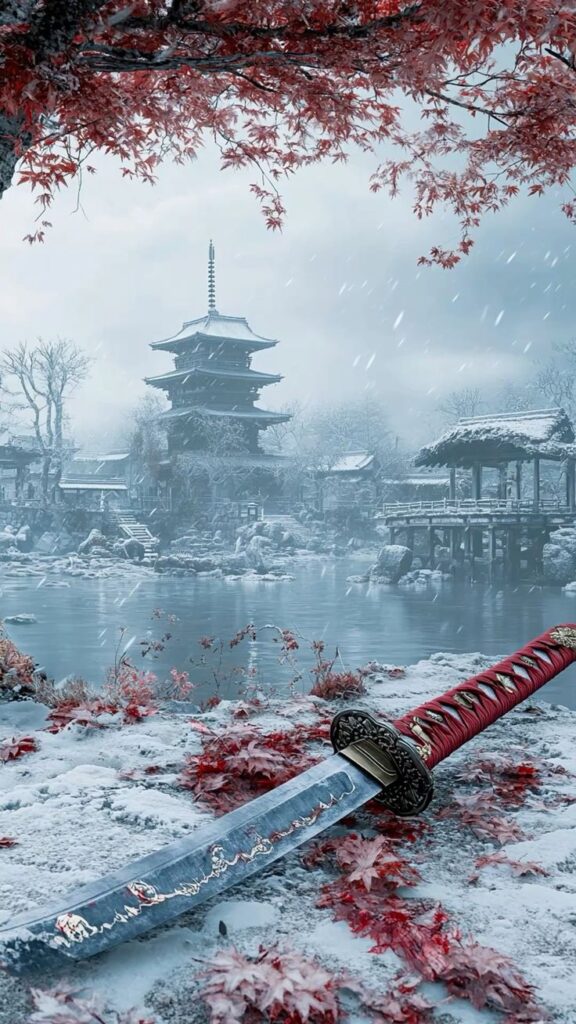
Walk through Coria del Río, and you’ll find subtle reminders of this extraordinary heritage. Some homes have Japanese motifs, and during cultural festivals, elements of Japanese tradition—like ceremonial tea or demonstrations of katana craftsmanship—are proudly displayed. The Japon descendants often gather to share stories, teach their children about the 1614 journey, and reflect on the samurai principles that still influence their daily lives.
Interestingly, cherry blossoms, or sakura, have become an informal emblem for many in the town, representing renewal, beauty, and the fleeting nature of time—values deeply rooted in Japanese philosophy.
Reconnection in Modern Times
Japan has not forgotten the story of the Keichō Embassy. In recent decades, efforts have been made to reconnect with the descendants of those early samurai. In 1992, Emperor Akihito of Japan visited Coria del Río to honor the historical ties. He paid respect to the statue of Hasekura Tsunenaga, the enduring symbol of the town’s magnificent history, and spoke with a variety of residents who had the Japon surname during his visit at the time. The visit was a potent gesture that rekindled interest in the centuries-old tale around the world and strengthened historical ties between Spain and Japan.
Challenges of Preservation
Though the story continues to inspire, it doesn’t come without its share of challenges. As Coria del Río embraces the pace of modern life, many younger residents find it difficult to connect with a legacy rooted so far in the past. If a bold steps are not taken, by incorporating it into school curricula, maintaining meticulous records or creating culturally specific spaces. There is fear that the heritage of Japanese families may progressively disappear into distant folklore.
Nevertheless, it is being actively preserved by local historians, cultural institutions such as the Spanish-Japanese Foundation, and enthusiastic community members. Samurai reenactments, exhibitions, and collaborative art projects with Japanese students are now annual events in the town. These artistic festivities revitalize a centuries-old relationship and strengthen the Japanese identity as a dynamic link between the past and the present.
Why the Japon Story Still Matters
With the age of migration, cultural blending, and globalization, the Japon story of the Japanese families in Spain serves as a moving reminder to each of the people that heritages endure regardless of the place and time. In an age of globalization, migration, and cultural blending, the story of the Japanese families in Spain serves as a moving reminder to everyone that heritage endures regardless of time and place. The journey of Hasekura Tsunenaga and the samurai delegation was more than a diplomatic mission—it was a seed of cultural fusion planted centuries ago, which still bears fruit today.
For those with the Japon surname, the legacy is not just about ancestry; it’s about carrying forward a legacy of dialogue, respect, and coexistence. The story of Japan teaches us about unity through diversity in a world that frequently emphasizes division.
A Samurai Spirit That Crossed Oceans
Over 400 years have passed since the samurai emissaries set foot on Spanish soil. Yet, in Coria del Río, the spirit of that journey endures. Through names, traditions, and shared memories, the Japon community continues to honor its unique past. From cherry blossoms blooming in Andalusia to the shadow of katana blades hung in local homes, the echoes of 1614 still linger—gentle reminders that some bonds are too powerful for time or distance to erase.
The story that never fails to inspire till now is the Japanese descendants in Spain, either you are researching your own ancestry, studying world history, or just fascinated by untold tales. A legacy that genuinely endures, borne of bravery, diplomacy, and cultural respect.
Read More: Maneki-Neko: Interesting History Of The Japanese Lucky Cat
Leave a Reply