Imagine swimming in the crystal-clear waters of a tropical paradise, only to feel a sudden, sharp pain in your foot. You glance down and see nothing but sand and rocks—until one of those “rocks” starts to move. You’ve just encountered a stonefish, the most venomous fish in the world. This is just one example of the many dangerous fish lurking beneath the waves, ready to strike with venom, toxins, or sheer brute force. From the depths of the Amazon to the coral reefs of the Indo-Pacific, these aquatic predators remind us that danger often comes in the most unexpected forms.
Fish are often seen as harmless, but some species are equipped with deadly adaptations that make them formidable predators—or defenders. Whether it’s venomous spines, paralyzing toxins, or electric shocks, these fish have evolved to survive in some of Earth’s harshest environments. What’s more, many of these dangerous species inhabit shallow waters, making encounters with humans more common than you might think. Let’s dive into the world of the most dangerous fish and uncover what makes them so deadly.
The Deadliest Fish in the World
1. Stonefish: The Master of Camouflage
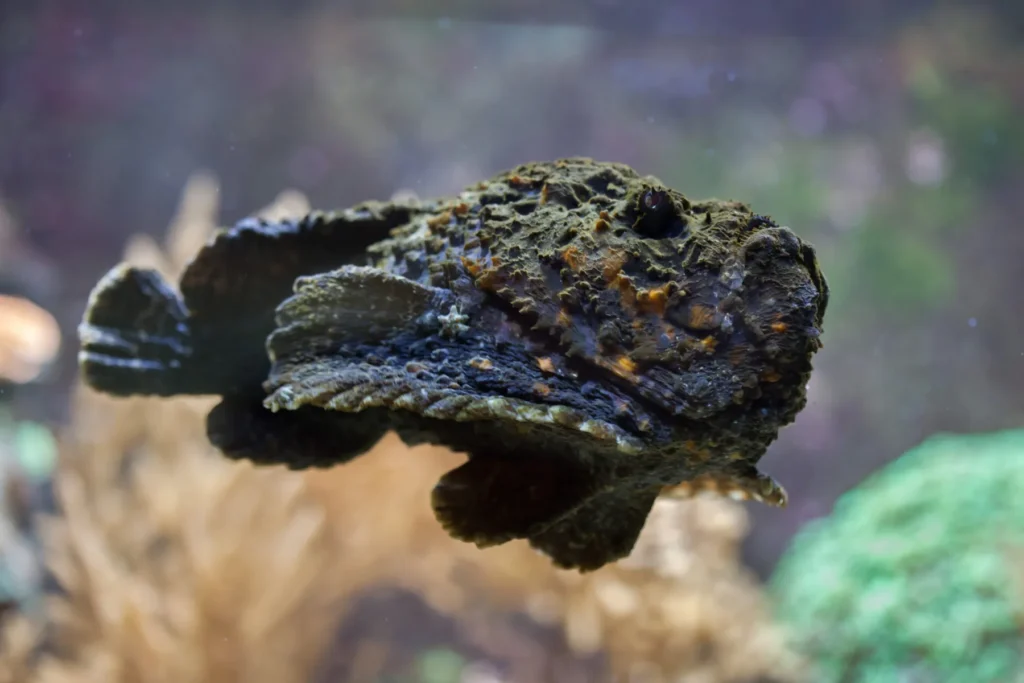
The stonefish (Synanceia) is the undisputed king of venomous fish. Found in the shallow coastal waters of the Indo-Pacific, this fish is a master of disguise, blending seamlessly with its rocky surroundings. Its dorsal fin contains 13 sharp spines, each loaded with potent venom that can cause excruciating pain, tissue necrosis, and even death if left untreated. Victims often describe the pain as “being stabbed by a hot knife,” and without immediate medical attention, the venom can lead to heart failure or paralysis. Despite its deadly nature, the stonefish is a fascinating example of evolution, using its camouflage to ambush prey and avoid predators.
2. Pufferfish: A Delicacy That Can Kill
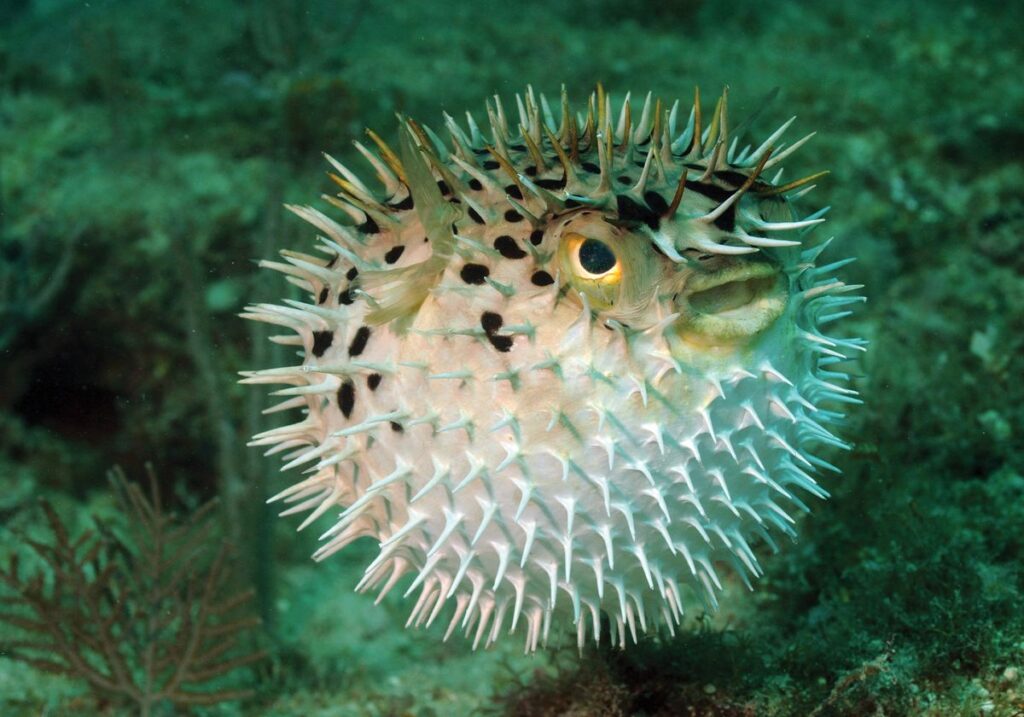
The pufferfish, or fugu, is a paradoxical creature—both a culinary delicacy and one of the most toxic animals on the planet. Found in tropical and subtropical oceans, pufferfish carry tetrodotoxin, a poison 1,200 times more lethal than cyanide. Just one pufferfish contains enough toxin to kill 30 adults, and there is no known antidote. In Japan, chefs undergo years of rigorous training to prepare fugu safely, but even a tiny mistake can be fatal. The pufferfish’s unique defense mechanism—inflating its body to deter predators—only adds to its mystique.
3. Lionfish: Beauty and Danger Combined
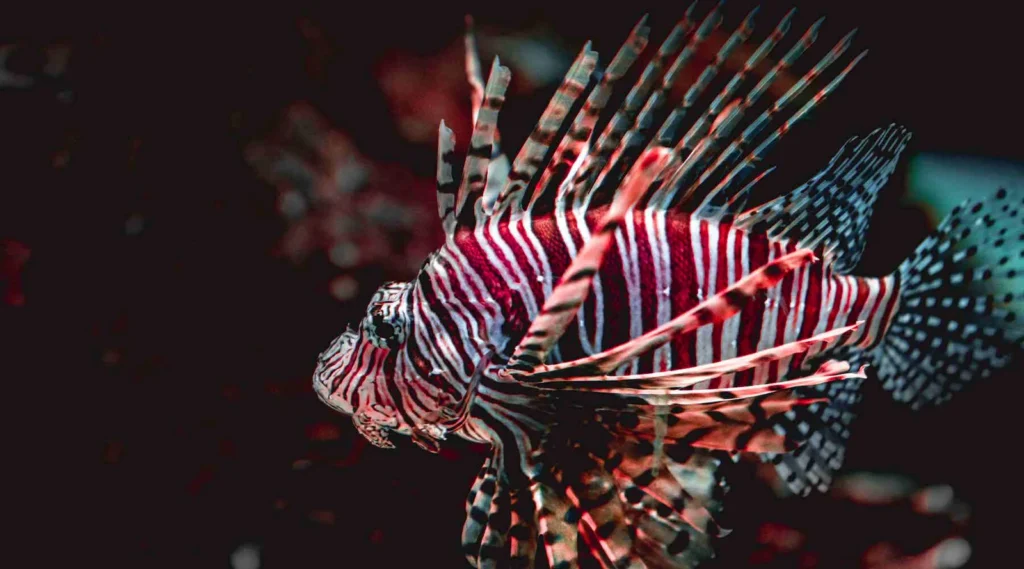
With its striking red-and-white stripes and flowing fins, the lionfish (Pterois) is a mesmerizing sight. But don’t let its beauty fool you—this fish is armed with 18 venomous spines that can deliver a painful sting. Native to the Indo-Pacific, lionfish have become invasive in the Caribbean and Atlantic, wreaking havoc on local ecosystems. Their venom causes intense pain, swelling, and, in rare cases, respiratory distress. Despite their danger, lionfish are a popular aquarium species, though handling them requires extreme caution.
4. Moray Eel: The Underwater Assassin
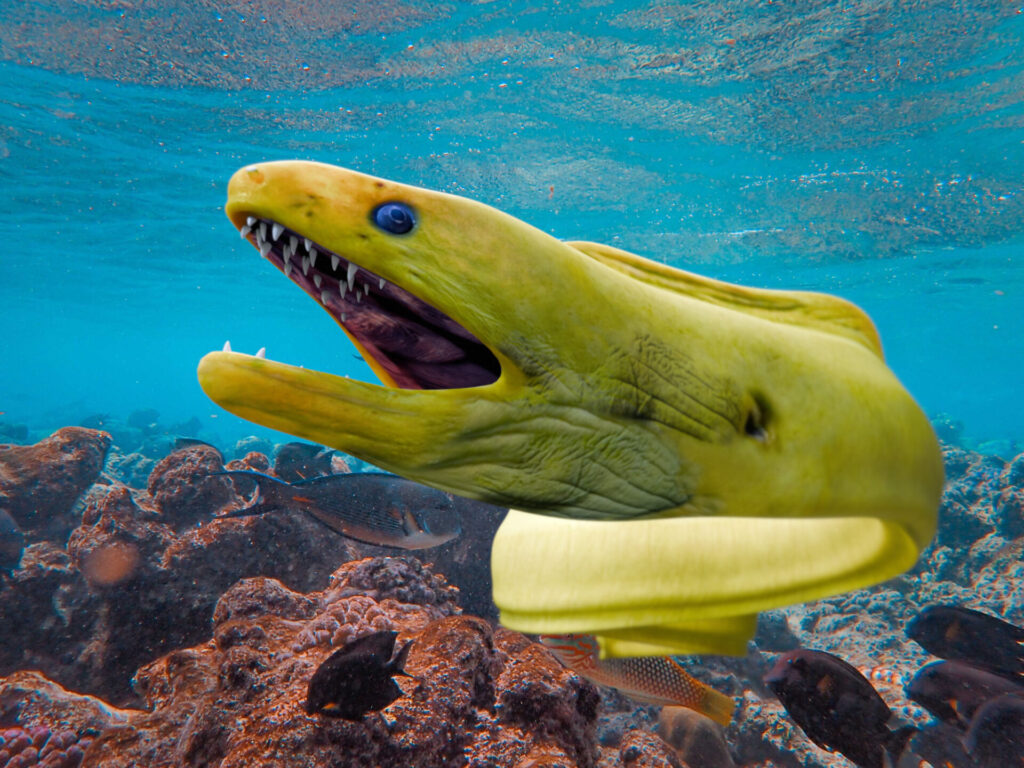
Moray eels, with their serpentine bodies and gaping jaws, are the stuff of nightmares. Found in tropical and temperate seas, these eels are known for their sharp teeth and powerful bites. While not venomous, their bites can cause severe lacerations and infections due to the bacteria in their mouths. Moray eels are generally shy but can become aggressive if provoked or cornered. Their ability to hide in crevices and ambush prey makes them formidable hunters.
5. Electric Eel: Nature’s Stun Gun
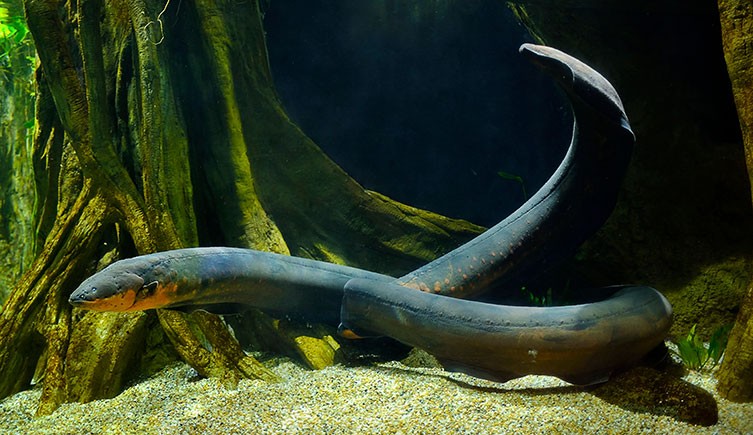
The electric eel (Electrophorus electricus) is not a true eel but a knifefish found in the Amazon and Orinoco basins. This remarkable creature can generate electric shocks of up to 600 volts—enough to stun prey or deter predators. While a single shock is rarely fatal to humans, repeated shocks can cause respiratory or heart failure. Electric eels use their shocks not only for hunting but also for navigation and communication, making them one of the most unique fish in the world.
Other Notable Dangerous Fish
- Great White Shark: Known for its size and power, this apex predator is responsible for more fatal attacks on humans than any other shark species.
- Tiger Fish: Found in African rivers, this fish has razor-sharp teeth and a ferocious appetite, earning it the nickname “the piranha of Africa.”
- Box Jellyfish: While not a fish, this marine creature’s venom is among the deadliest in the ocean, capable of killing a human in minutes.
- Candiru: This tiny Amazonian catfish is infamous for its alleged ability to invade human orifices, though such cases are rare.
- Piranhas: These South American fish are known for their razor-sharp teeth and pack-hunting behavior, though they rarely attack humans.
- Bull Shark: Aggressive and adaptable, bull sharks can thrive in both saltwater and freshwater, making them a common threat in rivers and coastal areas.
- Giant Freshwater Stingray: With a barbed tail that can grow over a foot long, this massive stingray can deliver a painful and potentially fatal sting.
Survival Tips & Precautions
While the thought of encountering these dangerous fish might be terrifying, there are ways to minimize the risks:
- Be Aware of Your Surroundings: Avoid stepping on or touching marine life, especially in areas known for stonefish or lionfish.
- Wear Protective Gear: When swimming or diving in tropical waters, consider wearing thick-soled shoes and gloves.
- Seek Immediate Medical Attention: If stung or bitten, rinse the wound with hot water (not scalding) and seek professional help immediately.
- Respect Wildlife: Keep a safe distance from aggressive or venomous species, and never provoke them.
Final Thoughts
The world’s most dangerous fish are a testament to the incredible diversity and adaptability of life in our oceans and rivers. While they pose significant risks to humans, these creatures play vital roles in their ecosystems, maintaining the delicate balance of marine and freshwater habitats. Interestingly, some of these deadly fish are also being studied for their potential medical benefits. For example, stonefish venom is being researched for pain management, and electric eels have inspired advancements in bioelectricity.
So, the next time you dip your toes into the ocean or explore a river, remember: beneath the surface lies a world of beauty, mystery, and danger. Respect it, and it will continue to amaze and inspire us for generations to come.
Leave a Reply