Japanese food is well-known for its delicate flavors, fresh ingredients, and rich cultural importance. At the center of this culinary heritage lies sakana, which simply means “fish” in Japanese yet stretches well beyond a basic component.
Fish plays a crucial role in Japan’s gastronomic heritage, encompassing a diverse range of seafood delicacies, preparation methods, and traditions that have been passed down for centuries.
The Meaning and Importance of Sakana
Sakana is more than just fish; it represents a fundamental component of Japanese meals. Historically, fish has been a staple in Japan due to the country’s geographical makeup—an island nation surrounded by bountiful oceans.
Sakana serves as the base for many traditional Japanese meals, including sushi and sashimi as well as grilled and simmered foods. The historical relationship between sakana and sake (Japanese rice wine) demonstrates its significance.
In ancient times, the term “sakana” referred to any item consumed with sake, usually little seafood-based appetizers. Over time, the term evolved to specifically mean fish, yet the cultural connection between seafood and sake remains strong in Japan.
Types of Sakana in Japanese Cuisine
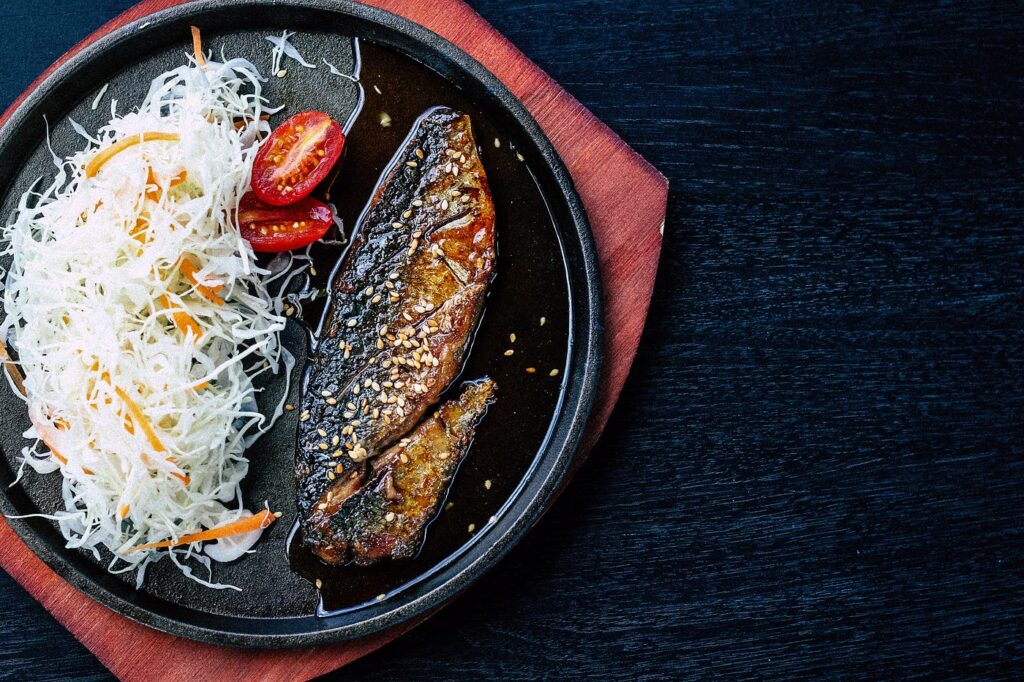
Japanese seafood cuisine is vast and varied, featuring different types of fish prepared using diverse techniques. Some of the most beloved sakana include:
1. Maguro (Tuna)
One of the most iconic fish in Japanese cuisine, maguro is highly prized for its rich flavor and versatility. It is a key ingredient in sushi and sashimi, with different cuts such as akami (lean meat), chutoro (medium-fat), and otoro (fatty tuna) offering distinct textures and tastes.
2. Saba (Mackerel)
Saba is a popular fish known for its bold, umami-rich taste. It is often served grilled with salt (shioyaki), marinated in vinegar (shime saba), or included in miso-based dishes.
3. Hamachi (Yellowtail)
A favorite among sashimi lovers, hamachi has a buttery texture and a mild yet flavorful taste. It is commonly enjoyed raw or lightly seared (tataki) and is often featured in sushi restaurants.
4. Tai (Sea Bream)
Tai is considered a symbol of good fortune in Japan and is often served during celebrations. It can be enjoyed in various ways, such as grilled, steamed, or in a simple yet delicious tai-meshi (sea bream rice dish).
5. Unagi (Freshwater Eel)
Unagi is known for its rich, fatty texture and deep flavor, typically grilled and glazed with a sweet-savory soy-based sauce. It is commonly served over rice as unadon or unaju.
6. Ika (Squid) & Tako (Octopus)
Squid and octopus are widely used in Japanese cuisine, appearing in dishes like sushi, tempura, and takoyaki (octopus-filled savory balls). Their slightly chewy texture and subtle sweetness make them a unique seafood delicacy.
Traditional Sakana Preparation Methods
Japanese chefs employ a variety of techniques to enhance the natural flavors of sakana, ensuring that each dish showcases the fish’s freshness and texture.
1. Sashimi & Sushi
Raw fish is prepared with precision to highlight its pure taste. Sashimi is served in thin slices with soy sauce and wasabi, while sushi combines vinegared rice with fresh seafood toppings.
2. Yakimono (Grilled Fish)
Grilled fish is a staple in Japanese cuisine, often cooked with salt or a teriyaki glaze. Popular grilled fish dishes include sanma shioyaki (grilled Pacific saury) and teriyaki salmon.
3. Nimono (Simmered Fish)
Fish is gently simmered in a broth made from soy sauce, sake, mirin, and dashi. A well-known example is buri daikon, where yellowtail is simmered with daikon radish for a comforting, flavorful dish.
4. Agemono (Fried Fish)
Deep-frying is another common method of preparing fish. Tempura (battered and deep-fried seafood) and karaage (Japanese-style fried fish) are popular choices.
5. Sunomono (Marinated Fish in Vinegar)
Some seafood, such as mackerel, is marinated in vinegar to enhance its taste and preserve its freshness. Shime saba (vinegared mackerel) is a prime example of this technique.
The Cultural Significance of Sakana
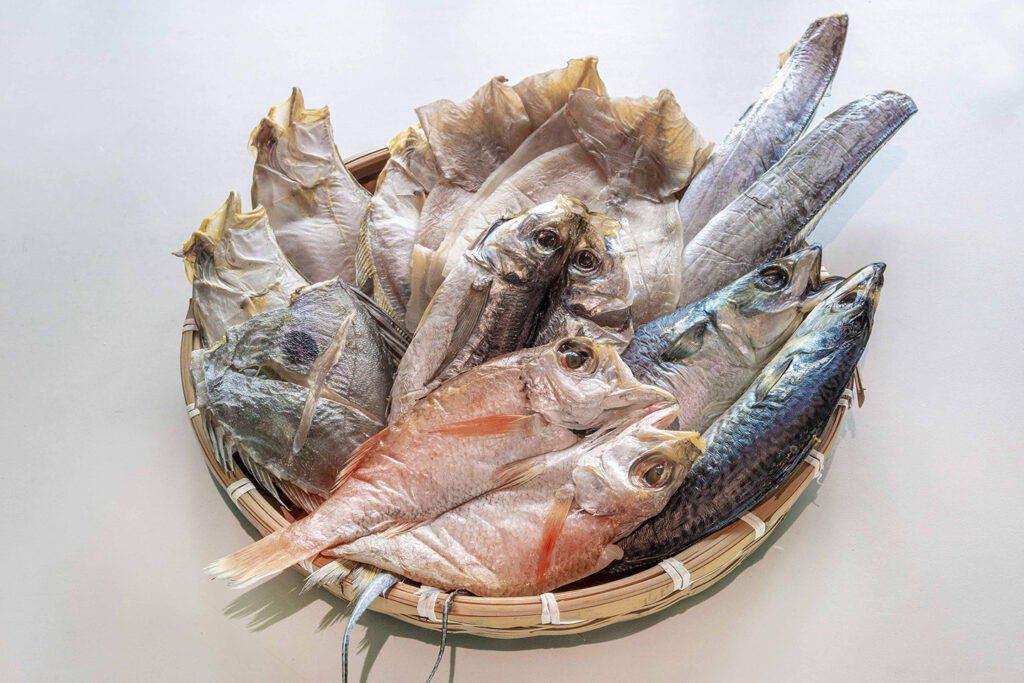
Sakana is profoundly ingrained in Japanese society, influencing everything from regular meals to festive occasions. Fish is frequently used in kaiseki, Japan’s traditional multi-course supper, as well as seasonal festivals and New Year’s feasts (osechi ryori).
Moreover, sustainable fishing practices have become increasingly important in Japan, with efforts to balance tradition and environmental responsibility. Many sushi restaurants now focus on serving sustainably sourced seafood to protect marine ecosystems.
Sakana and Modern Japanese Cuisine
While traditional fish dishes remain beloved, modern Japanese chefs continue to innovate with sakana, incorporating global influences and contemporary techniques. Dishes like seafood carpaccio, fusion sushi rolls, and grilled fish with international seasonings showcase the adaptability of Japanese seafood cuisine.
Sakana is more than just an ingredient in Japanese cuisine; it is a symbol of tradition, culture, and culinary artistry. Whether enjoyed raw, grilled, simmered, or fried, fish continues to be a staple in Japanese dining, cherished for its exquisite flavors and health benefits. From sushi bars to home kitchens, the appreciation for sakana remains strong, ensuring its place at the heart of Japan’s rich gastronomic heritage.
Leave a Reply