A Snapshot of the Industry
The first camera to reach Japan’s shores arrived from a Dutch ship in 1848, and the first Japanese photograph would not have been taken until 1849 by Ichiki Shiro. But Japan has since come a long way in the photographic field. Its companies command over 87% of the world’s market share for digital cameras.
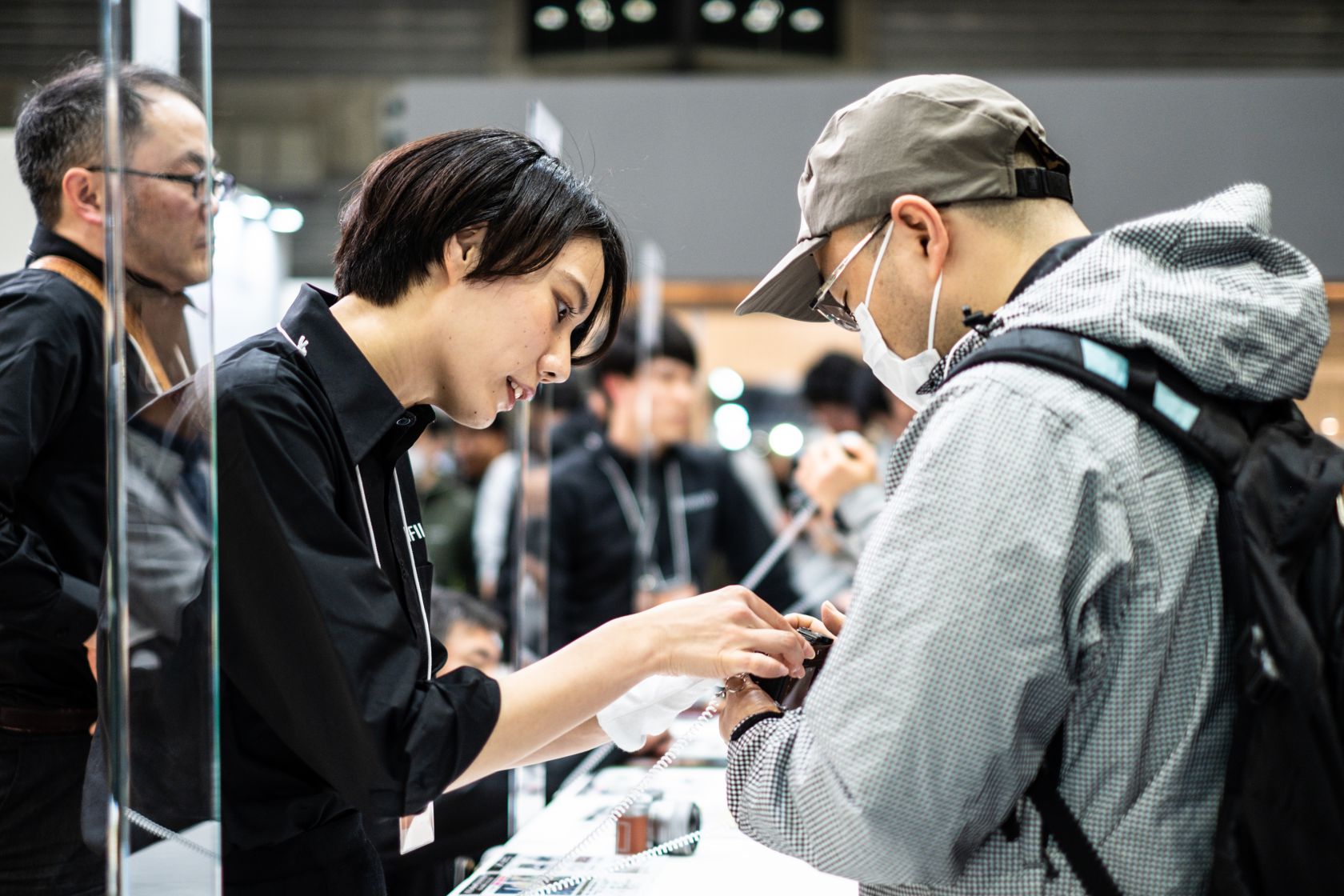
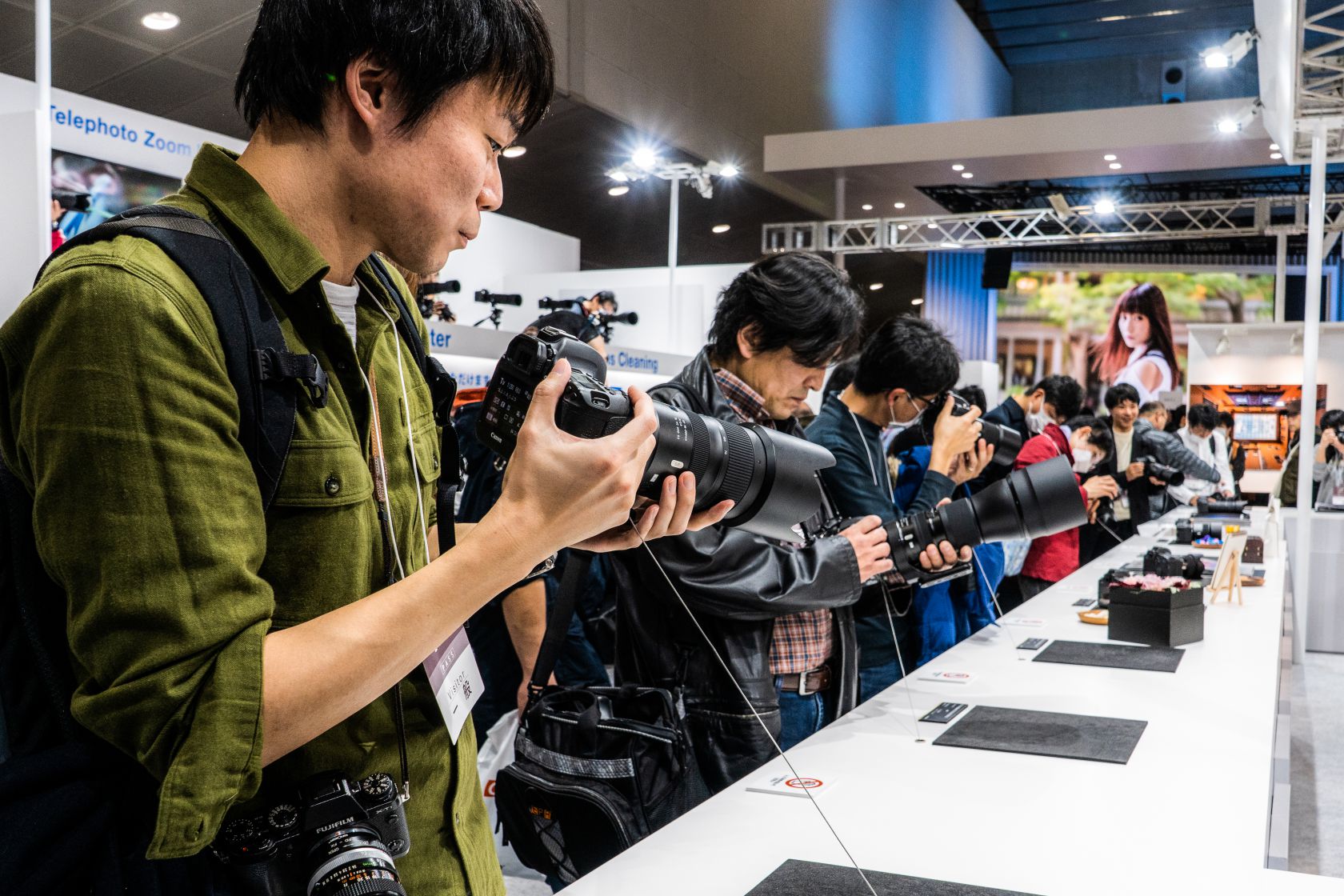
Every year at CP+, hundreds of thousands of photo professionals, enthusiasts, and even casual photographers flock to Yokohama to check out one of the largest camera and photo imaging tradeshows in the world. The exhibition hall is lined with the biggest players in the game today. While Japan’s big three (Canon, Nikon, and Sony) still remain the incumbent leaders; the industry-disrupting shift to mirrorless camera bodies have given considerable momentum to Fuji, Olympus, and Panasonic. Together, these six camera manufacturers have helped Japan attain almost exclusive control over a global market. But how did a European invention become such a bastion of Japanese ingenuity?
Refocusing Priorities
Despite Japan’s current position as a leading developer of precise instrumentation and optical science, there was a time when that distinction resided in Europe. Even now, German cameras and their lenses are some of the most revered examples of imaging technology. And it was German companies like Zeiss that collaborated with Japanese firms like Nippon Kogaku Kabushiki Kaisha in creating sensitive optical components for military purposes. Yet despite their partnership early on, the two countries’ fates following the Second World War couldn’t have panned out more differently.
The post-war era marked not only a new age of innovation, but it was also a period of economic growth and rapid globalization. Japan no longer had a military and many of the advanced optics and imaging firms such as Nikon (formerly Nippon Kogaku) restructured their business models and diverted their resources to consumer-based enterprises. These Japanese companies fared much better than their European counterparts even under strict U.S. control. The “Made in Japan” initiative for example eventually opened up foreign markets to Japanese products and more importantly allowed the country to focus its priorities on developing its own manufacturing methods and cultivating its own intellectual capital.
Developing a Market
Even though much of what Japan knew about optics prior to the war came from overseas, it had also made great strides of its own. Especially after the realignment of skilled workers and government attention, companies that once produced instruments for the battlefield eventually became highly specialized manufacturers of quality technology. These advancements consequently led to more affordable cameras and equipment for the booming American and blossoming Japanese economies.
If war helped make cameras a viable commodity in Japan, cameras made in Japan helped captivate the world with their images of war. Photojournalists who passed through the country before embedding in the Korean and Vietnam campaigns took a liking into the sharpness and reliability of Japanese cameras. Before long, these camera systems were capturing the most important moments around the world, and by the time the fighting had subsided, the cameras and lenses had already found their place in society and reporting workflow.
The Bigger Picture
History can certainly explain how Japanese cameras became so popular, but in order to properly appreciate how one country can maintain such a large share of the global market, we can’t ignore the business practices that have helped Japan become so successful in other sectors of production.
For the casual photographer the advent of smartphones and social media has challenged the practicality of investing into a camera system, thus shrinking potential customers in an already saturated market. Vice President of the CIAJ, Hiroshi Okazaki compared the situation to other similarly competitive industries like calculators and the personal computer; which for all intents and purposes face the same dilemma.
THE SITUATION IS SIMILAR FOR DIGITAL CAMERAS. THEY ARE AN EXAMPLE OF A PRODUCT WITH MODULAR ARCHITECTURE. WITH THE OPPORTUNITY TO SELECT AND ASSEMBLE COMPONENTS, MANY JAPANESE COMPANIES OTHER THAN TRADITIONAL CAMERA MAKERS HAVE ENTERED THE FIELD. MODULARIZATION BOOSTS PRODUCTIVITY AND LOWERS PRODUCTION COSTS.
-Natalie Cavasin
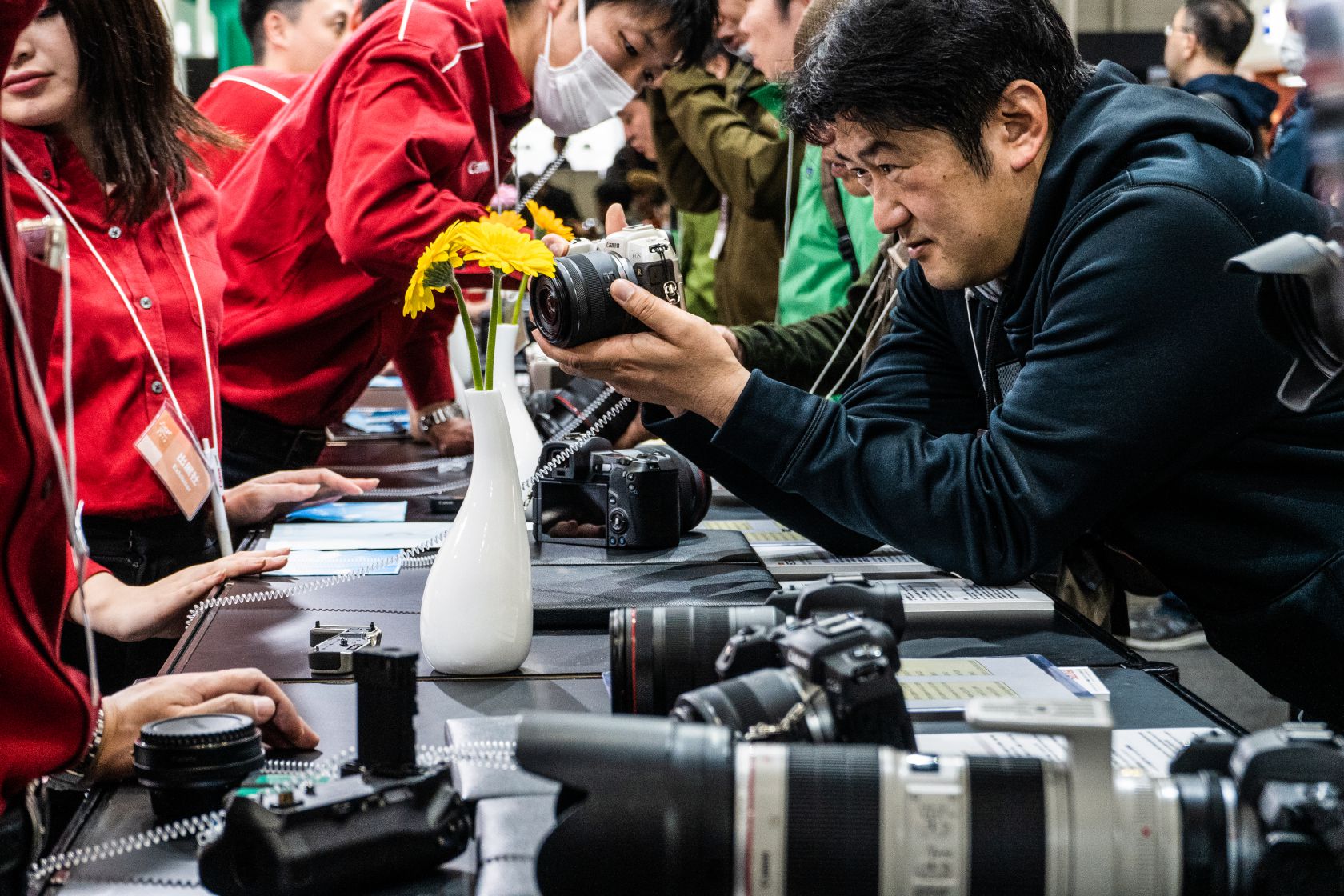
It’s a statement that is evident even at this year’s event, where the wave of mirrorless camera bodies is reaching a fever pitch of companies touting the latest specs or highlighting their distinctive brand appeal. Despite claims to stand out above the rest, many of the cameras on exhibit here share a lot of the same technology and even suppliers for their screens, sensors, or processing units. Horizontal integration of resources as well as alliances with other brands along the supply chain both contribute to the competition by keeping prices down, yet insulate companies from taking risks in developing their own proprietary parts.
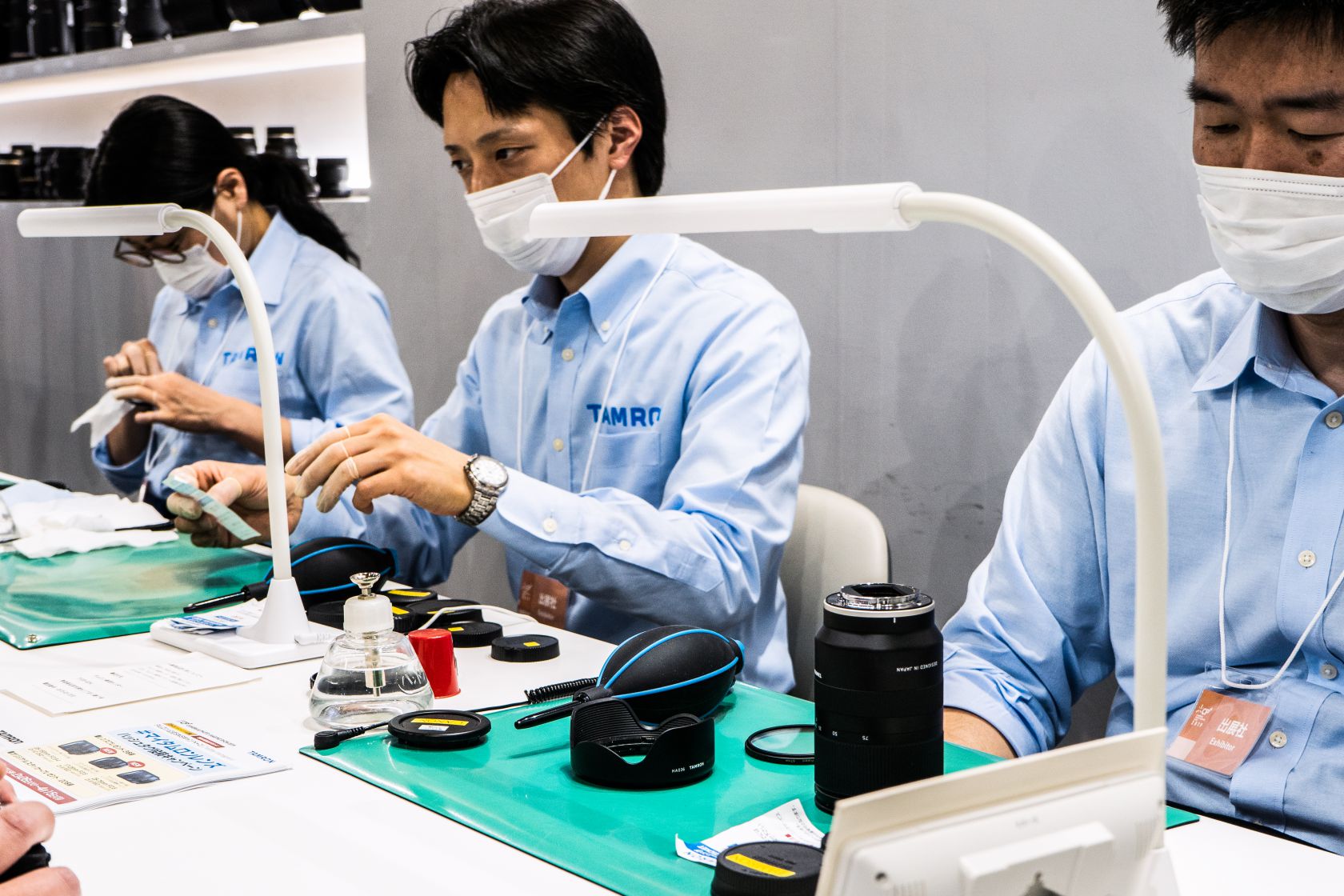
Even camera lenses have become less exclusionary and more collaborative with the growing acceptance of third-party manufacturers. Couple these practices with the kaizen (Japanese for “continually improving”) approach, and you most likely won’t see Japan giving up too much ground anytime soon.




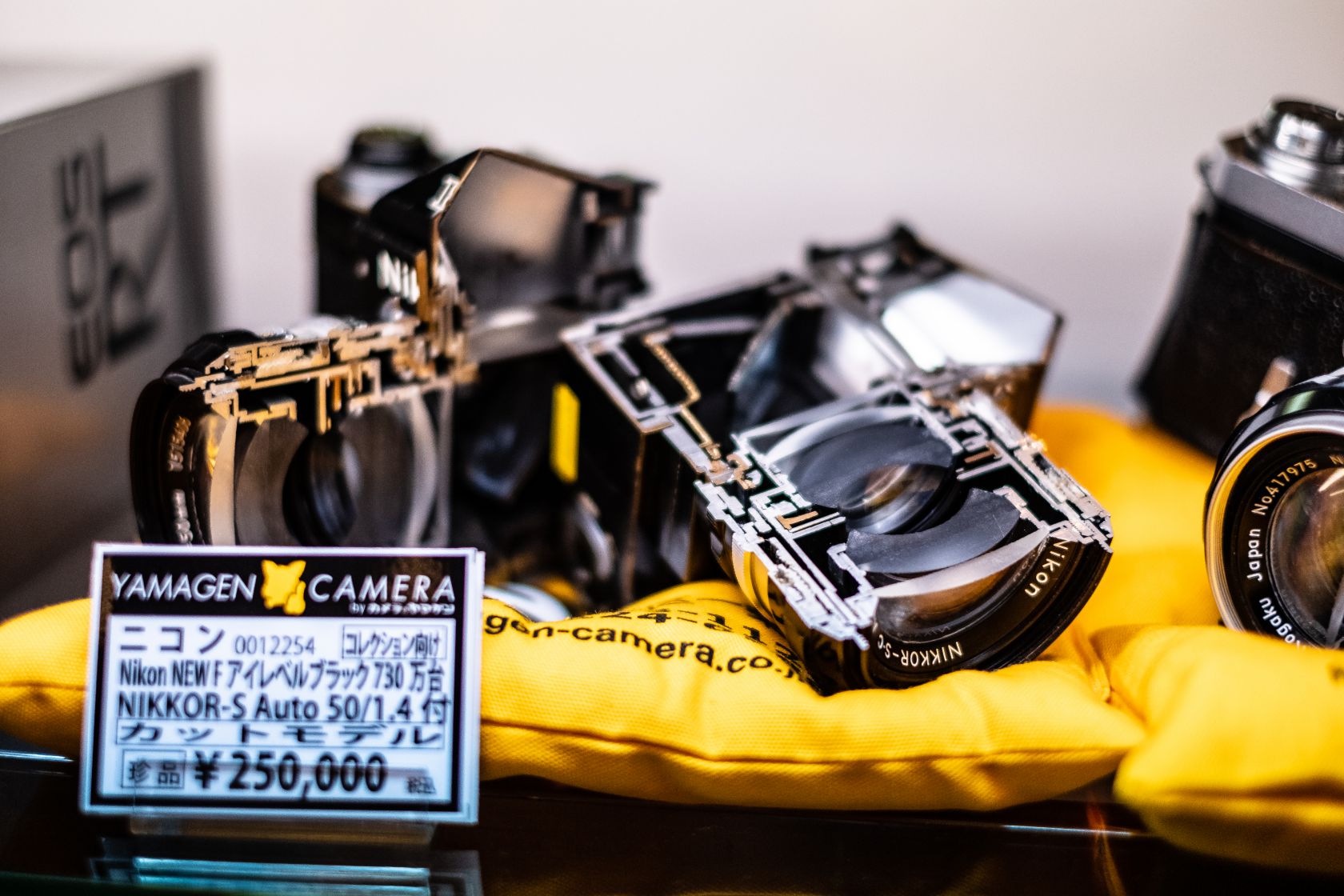
Special thanks to Patric Batac a.k.a. Tech Ninja Productions for photo contributions
Leave a Reply